Identify the Historic Dollar
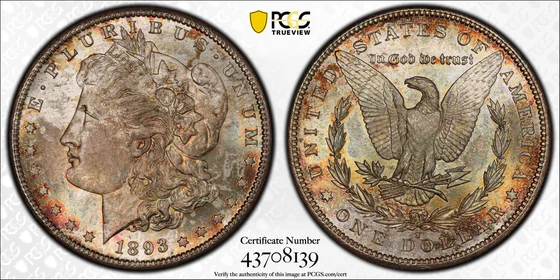
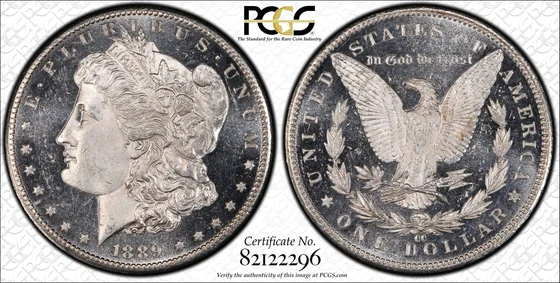
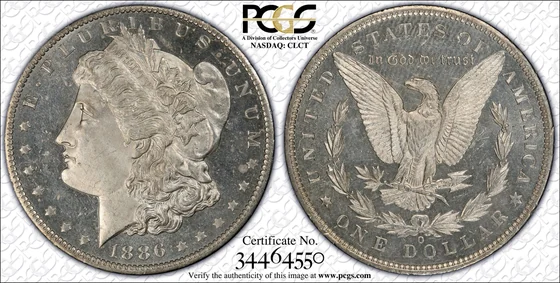
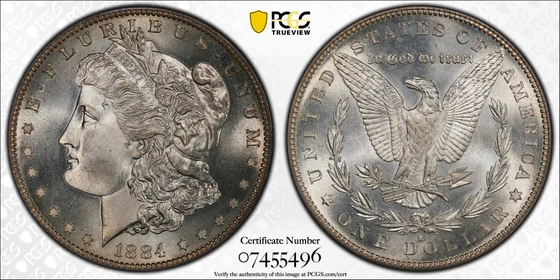
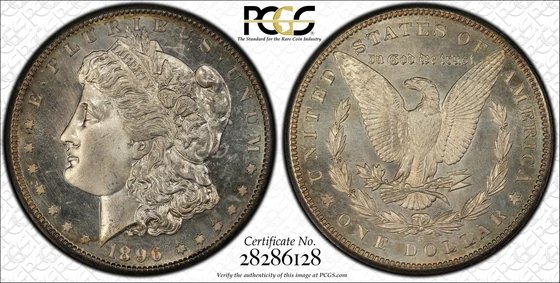
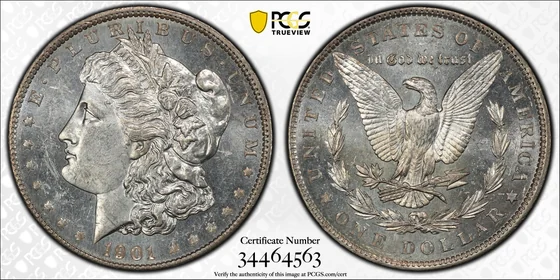
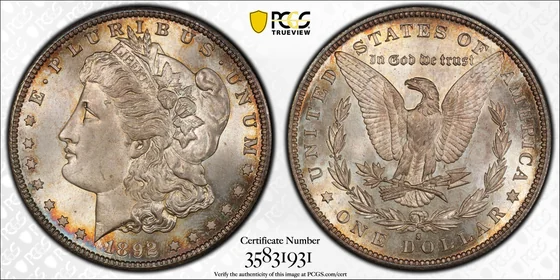
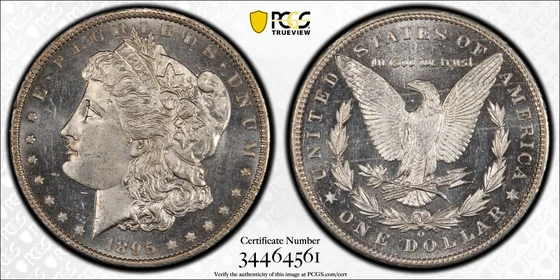
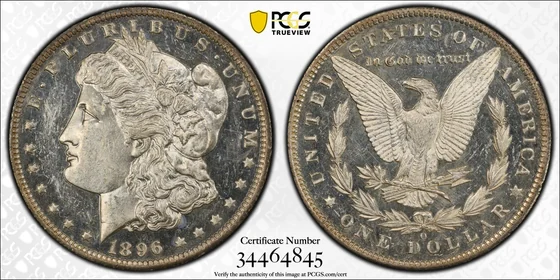
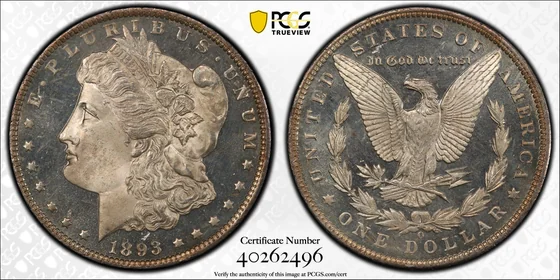
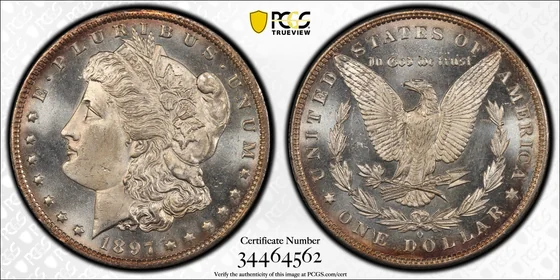
The original Morgan dollar is 90% silver and 10% copper. Record the date and reverse mintmark: CC, O, S or D, with no letter on Philadelphia pieces. Denver's Morgan production was in 1921, not throughout the earlier series.
Modern Morgan dollars introduced in 2021 are separate collector issues with 99.9% silver specifications. Their O and CC privy marks commemorate former facilities rather than proving the coins were struck there. Keep modern products out of classic date-and-mint comparisons.
Read Surfaces Beyond the Shine
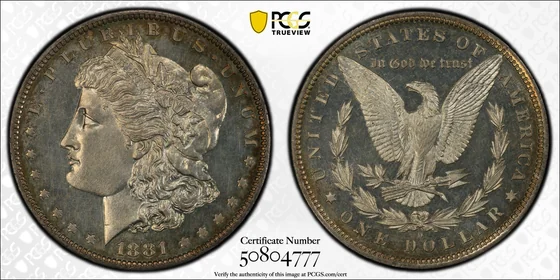
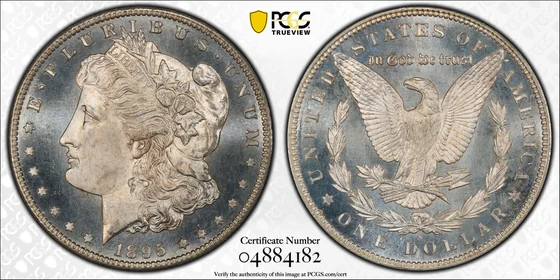
Morgan dollars often have conspicuous marks on Liberty's cheek and in the large fields. Check those areas and the eagle's breast under varied lighting. Wear, strike weakness and contact marks are different conditions; none can be resolved merely by calling the coin shiny.
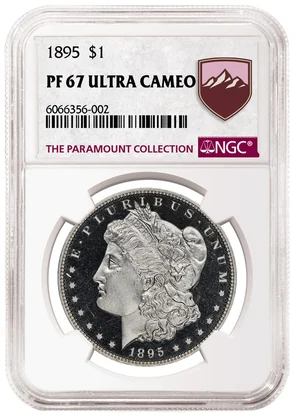
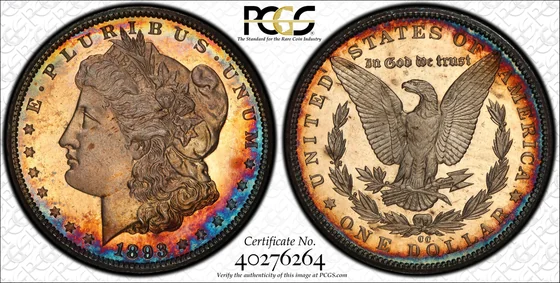
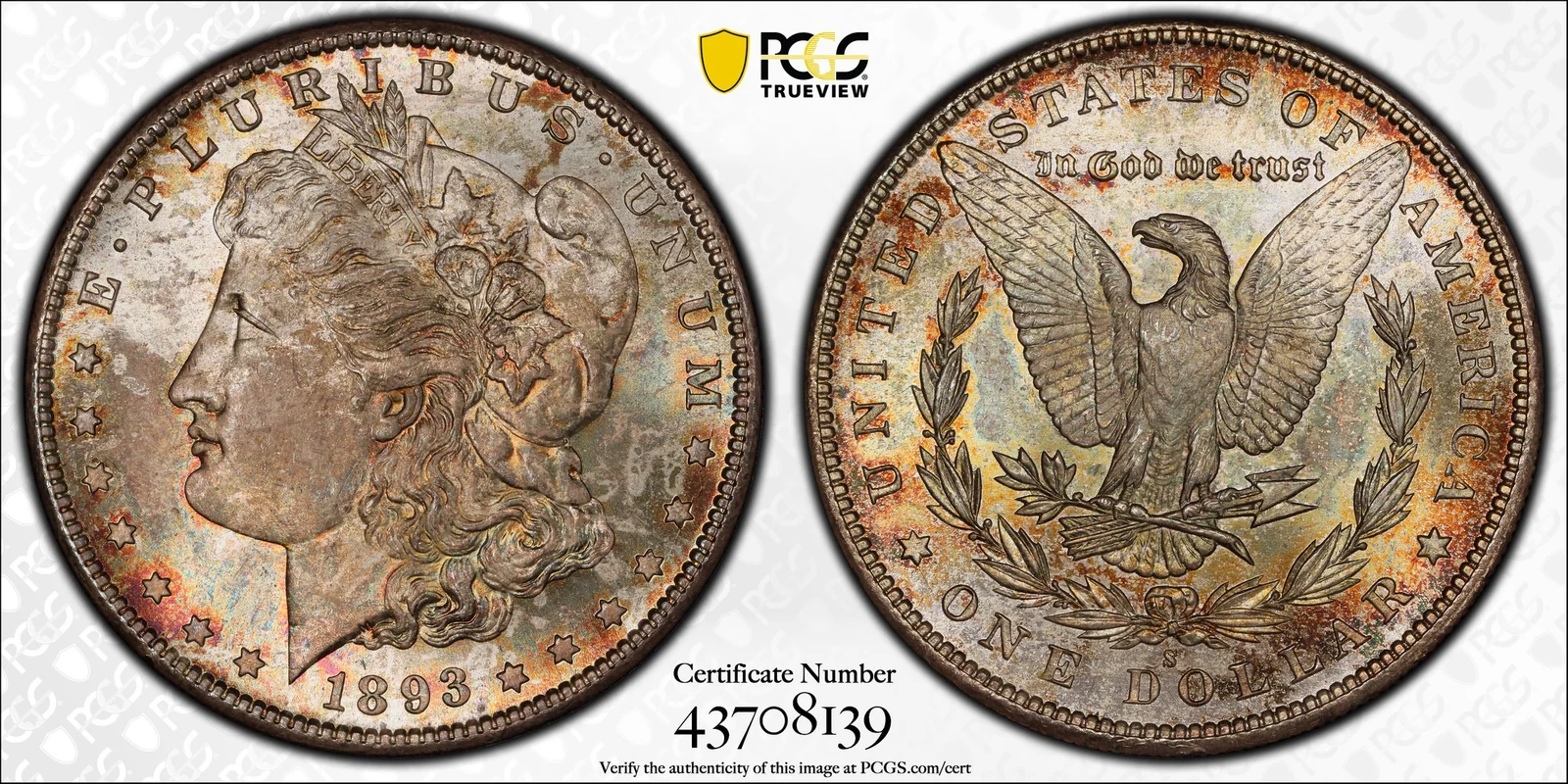
Prooflike appearance is not the same as proof manufacture. Specialist reflective-field designations need proper assessment. Toning can also conceal or emphasize surface features, so preserve it and use clear, unfiltered photographs instead of trying to brighten the coin for sale.
Separate Ordinary Issues from Attributed Rarities
An apparent 1893-S deserves authentication before a rarity valuation because altered mintmarks and counterfeits are known. More generally, exact date-and-mint identity matters more than an old envelope marked 'rare.' Keep that envelope as history, not as proof of the description.
For a die-detail question, use the existing VAM explainer before choosing an attribution reference. A crack or unusual feather does not guarantee a premium. For market evidence, compare matching issues, surfaces and designations, keeping fees separate and exceptional records in context.
Confirm what you have
- Date and MintPhotograph the full date and the reverse area near the wreath and denomination. Record uncertain letters as uncertain, not as a chosen rarity.
- Focal AreasInclude Liberty's cheek, the open fields and the eagle's breast. These help reveal preservation issues that a cropped mintmark image misses.
- Holder and HistoryRetain any original holder or collection notes. Verify a grading-service certificate, while recognizing that a lookup alone cannot authenticate the physical holder.
Before you put a price on it
- Treating every CC coin as the same date or condition.
- Calling every reflective Morgan a proof.
- Mixing modern privy-mark dollars with historic branch-mint coins.
Collector questions
Is a 1921 silver dollar always a Morgan?
No. Both Morgan and Peace designs were issued that year. Identify the portrait and reverse before searching for comparisons.
Does a correct weight prove authenticity?
No. Dimensions and metal are useful screening evidence, but a sophisticated counterfeit can imitate them. Important coins need qualified examination.
Can a common date be important in exceptional condition?
Yes, but that is specimen-specific. A certified exceptional example's sale does not assign the same value to ordinary coins sharing its date.
Sources & further research
- U.S. Mint: Historic and Modern Morgan and Peace Compositions
- U.S. Mint: Silver-Dollar Production Gaps and Mints
- PCGS: Morgan Key-Date Authentication Risks
- PCGS: Morgan Dollar Collecting and Die-Variety Context

Reviewed 2026-10-12. Coin identification, grade and value are separate questions. No guide or checkmark is professional authentication or an appraisal.