All guides U.S. Coins Canadian Coins CoinHub collector resources
U.S. Coins: Values & Collecting Guides Identify the date, mint, condition and variety before putting a price on a coin.
Free CoinHub account Sign in Sign out
Pennies Nickels Dimes Quarters Half dollars Dollars Gold Find a coin guide 14 research guides
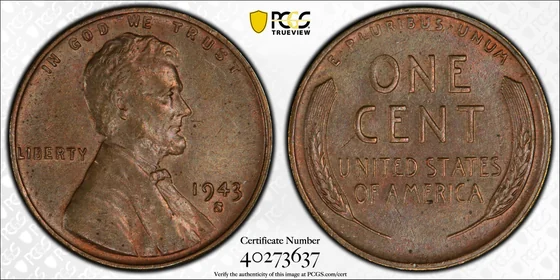
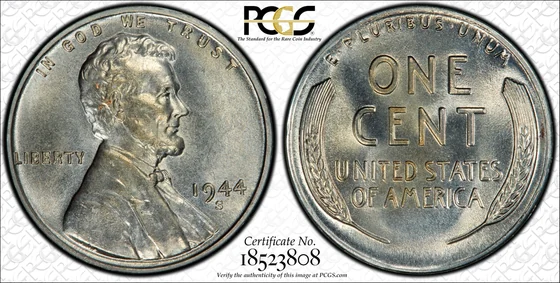
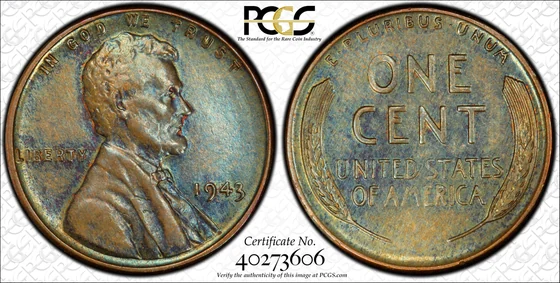
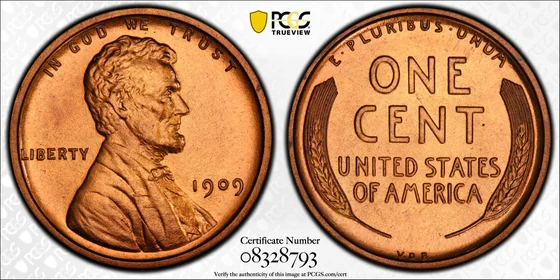
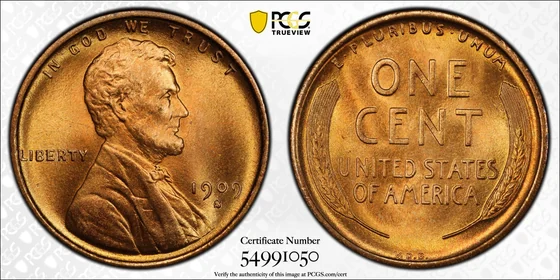
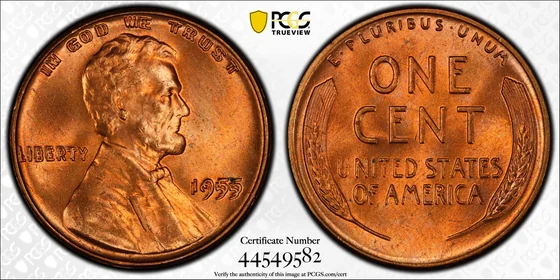
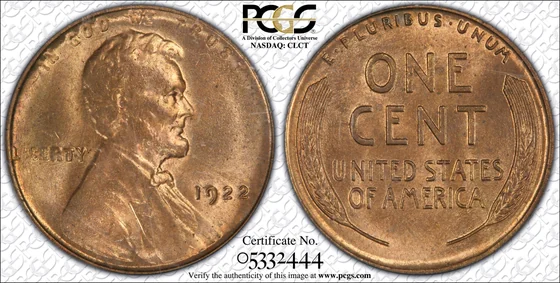
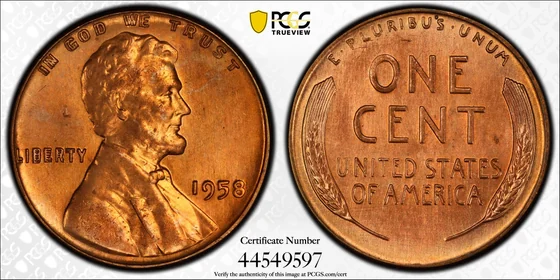
United States · 1909–1958 Lincoln Wheat Cents A wheat reverse identifies Lincoln cents dated 1909 through 1958, but it does not make every example rare. Read the date, mintmark and surfaces before deciding which comparison belongs to your coin.
Read the guide
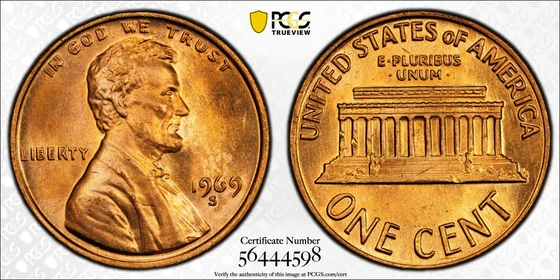
United States · 1959–present Lincoln Memorial and Shield Cents Modern Lincoln cents need separate reverse-design and composition checks. Memorial, 2009 commemorative and Shield issues belong to different research branches despite sharing Lincoln's portrait.
Read the guide
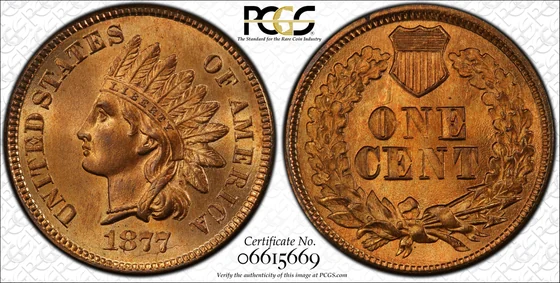
United States · 1859–1909 Indian Head Cents Indian Head cents span a metal change, a reverse change and a late introduction of branch-mint production. Those differences make the exact issue more useful than the broad label 'old Indian penny.'
Read the guide
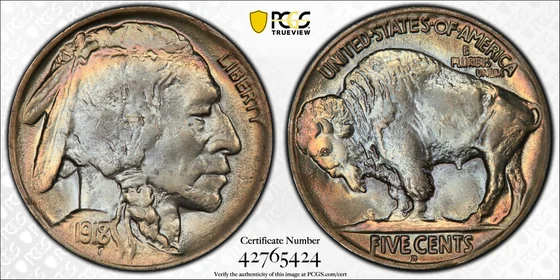
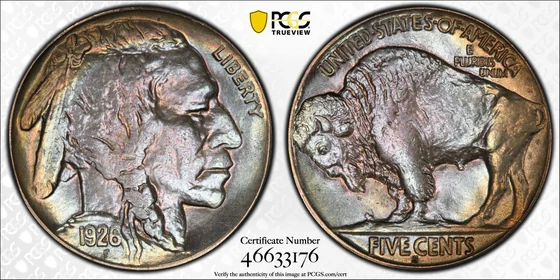
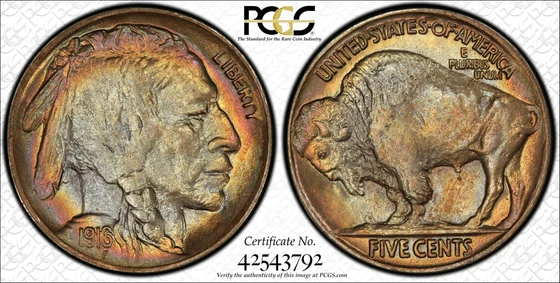
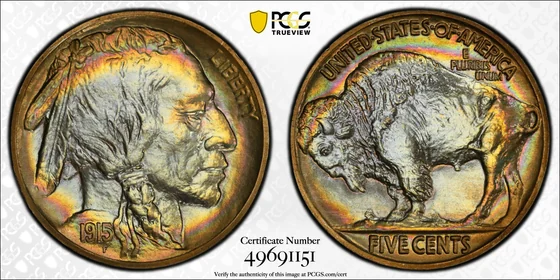
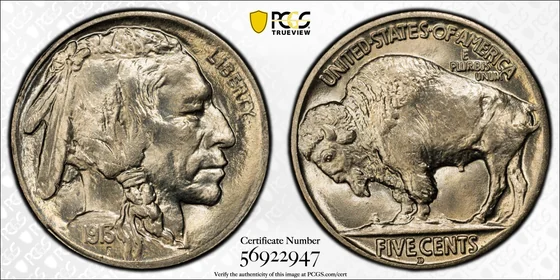
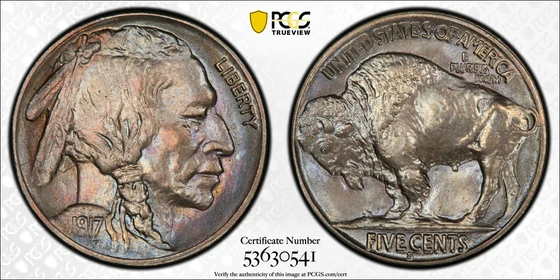
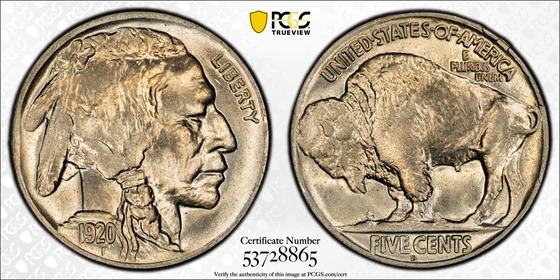
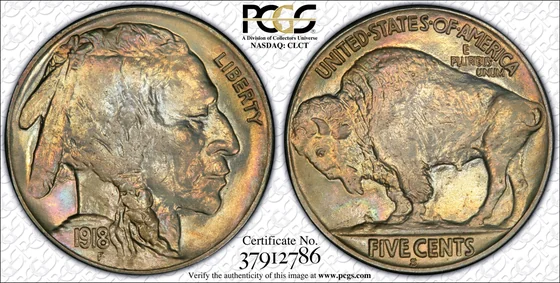
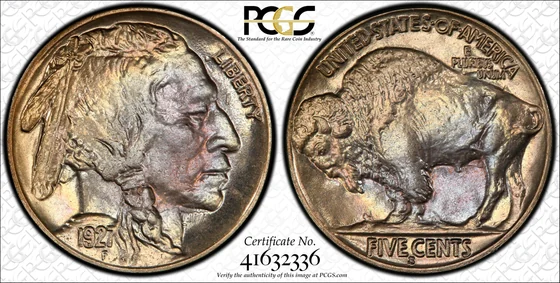
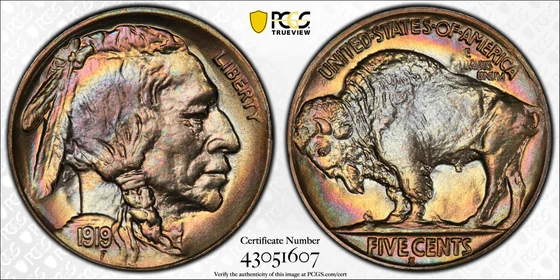
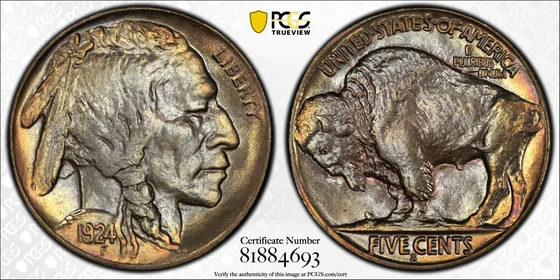
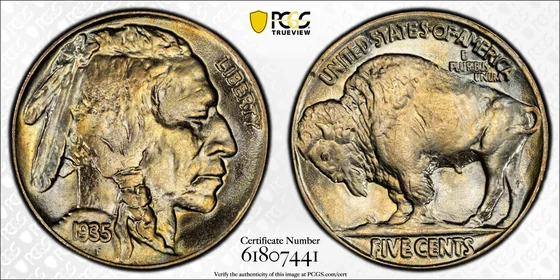
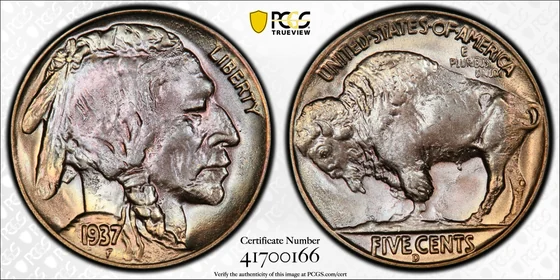
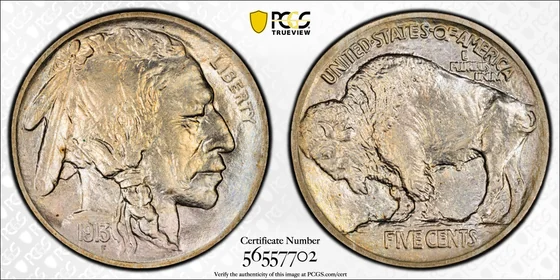
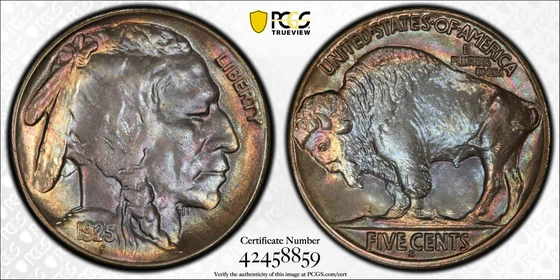
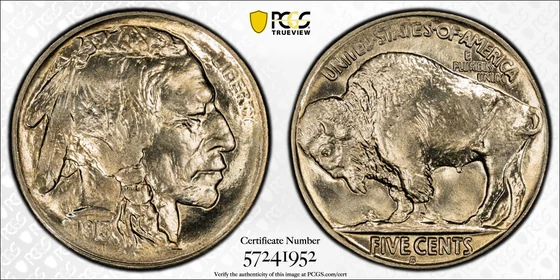
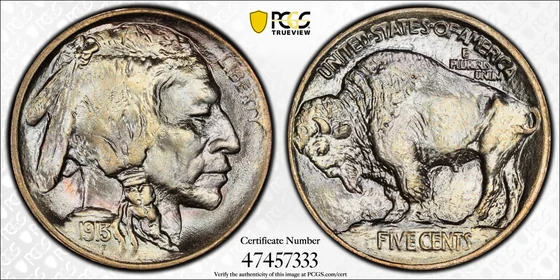
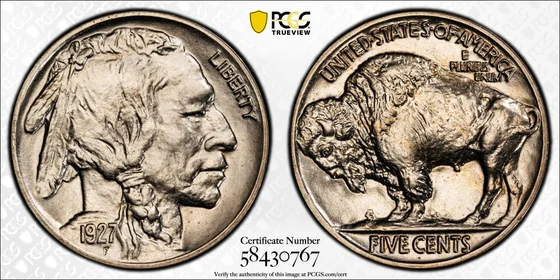
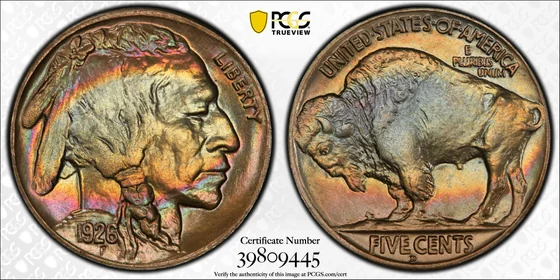
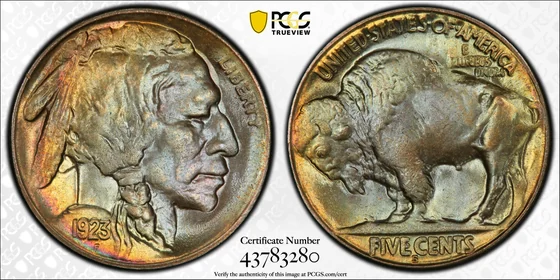
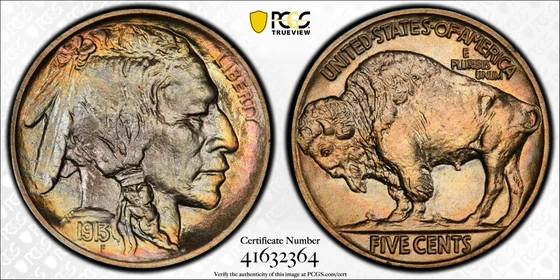
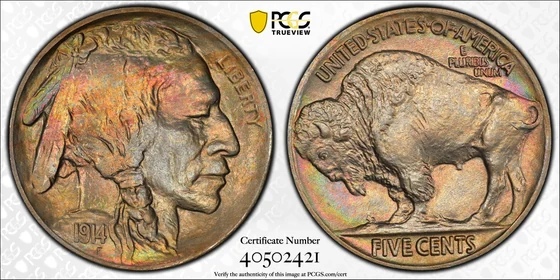
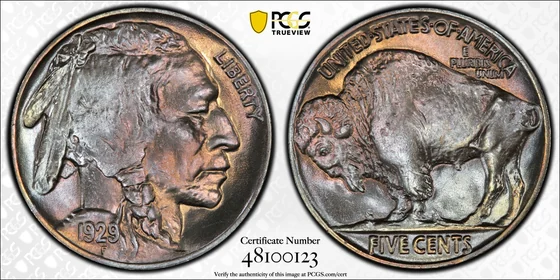
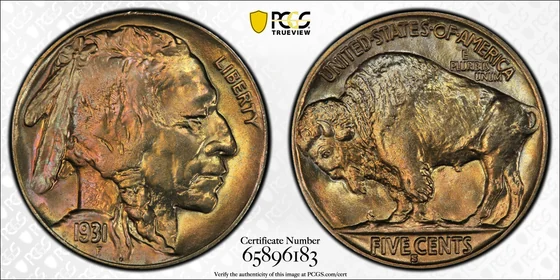
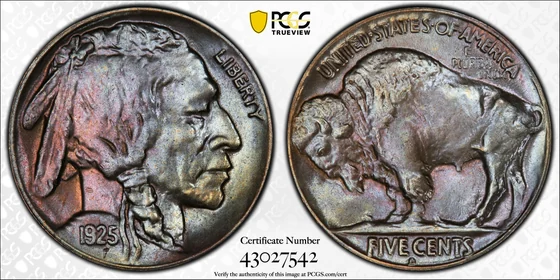
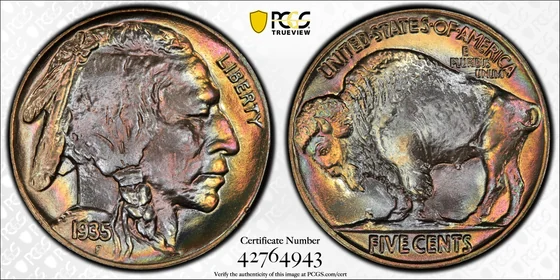
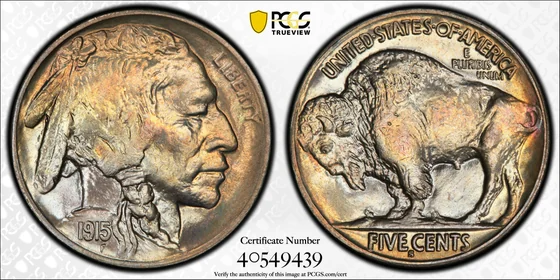
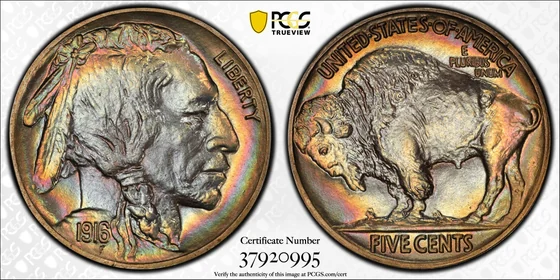
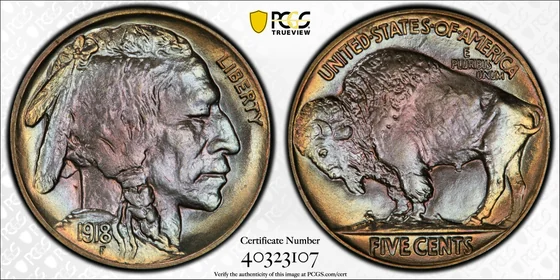
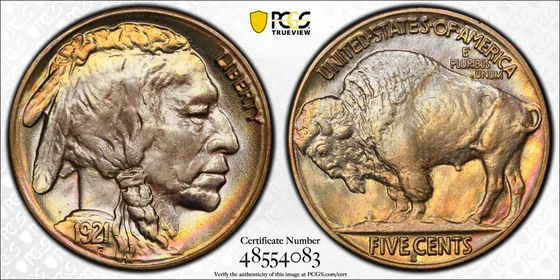
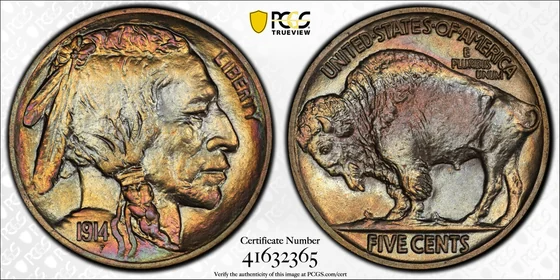
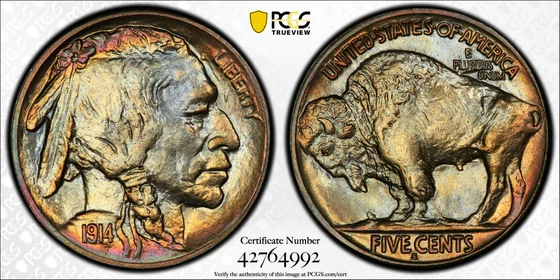
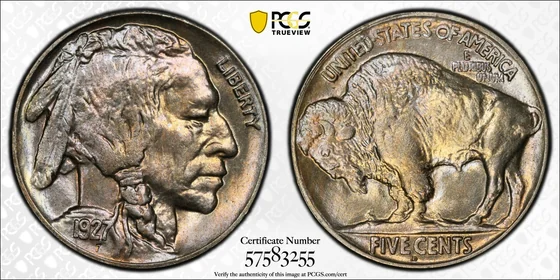
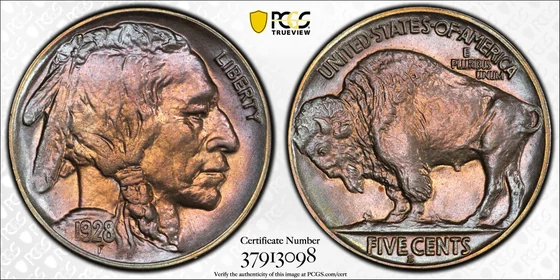
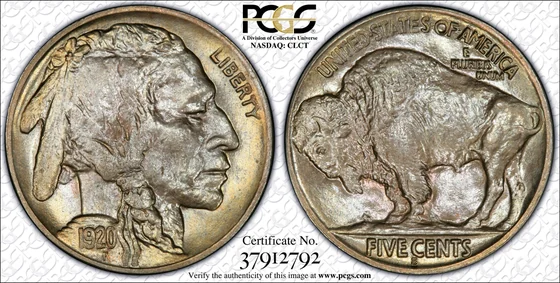
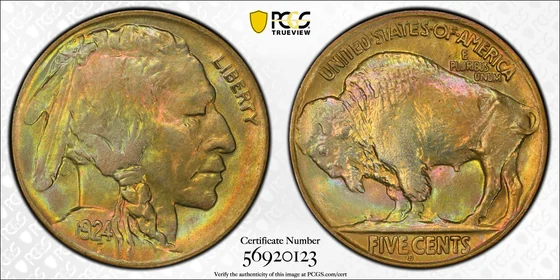
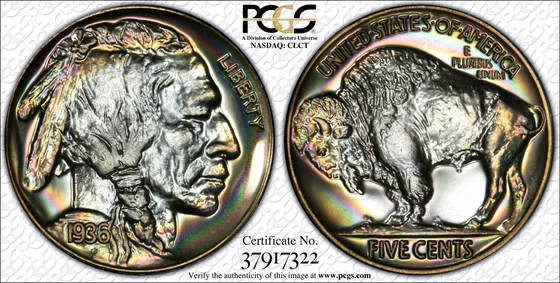
United States · 1913–1938 Buffalo Nickels A readable date is especially important on Buffalo nickels because their exposed date often wore away. The bison design, 1913 reverse type and reverse mintmark provide separate clues, not a single automatic rarity test.
Read the guide
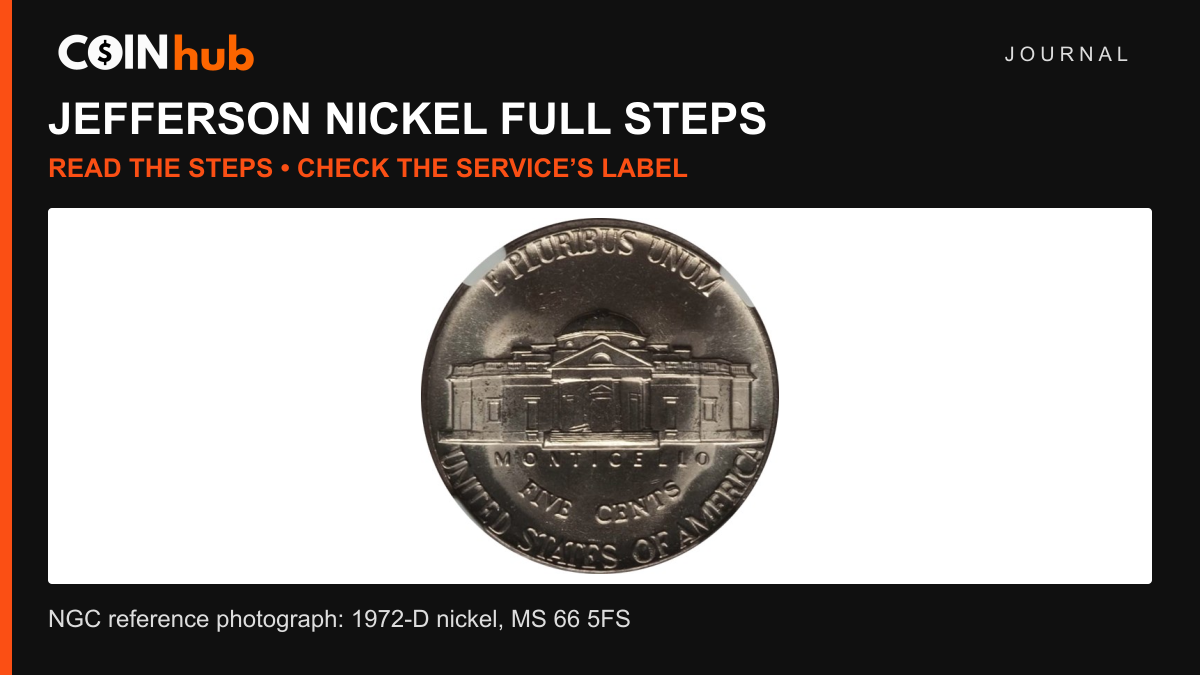
United States · 1938–present Jefferson Nickels Jefferson nickel research starts with alloy and mintmark location. Inspect both sides before choosing the wartime-silver, regular-alloy or specialist strike-detail branch.
Read the guide
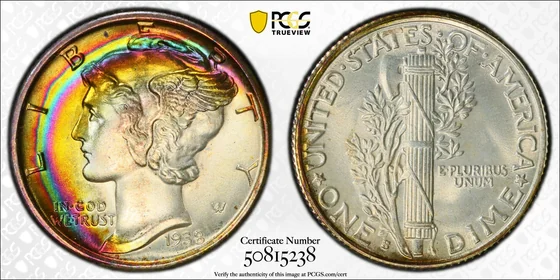
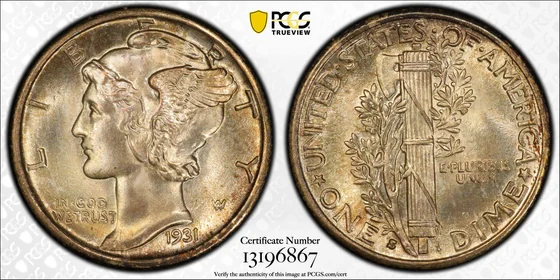
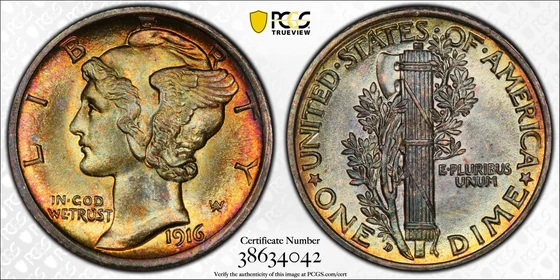
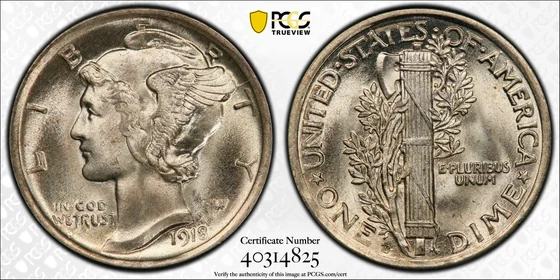
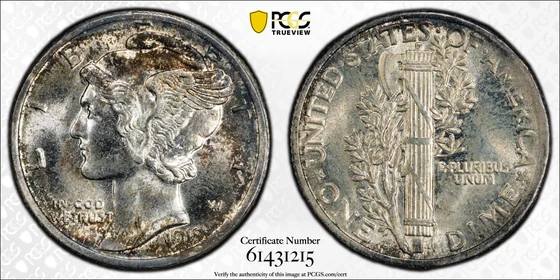
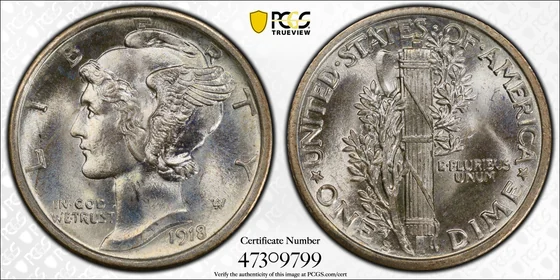
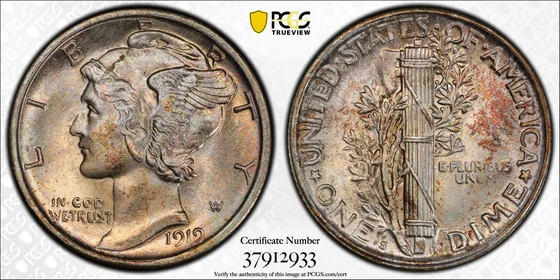
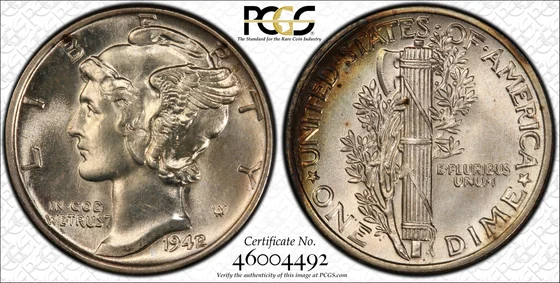
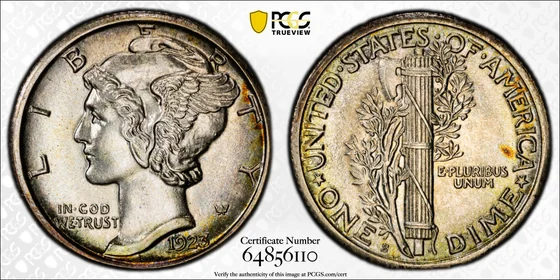
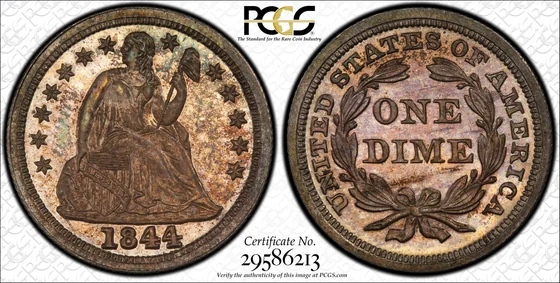
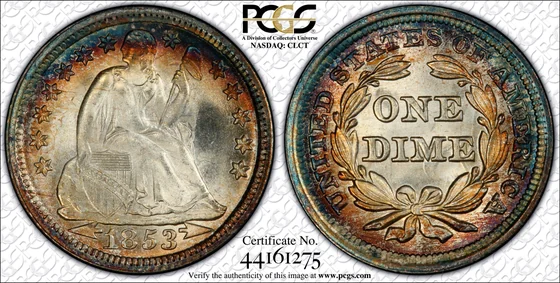
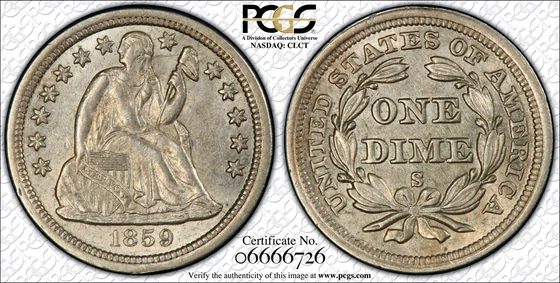
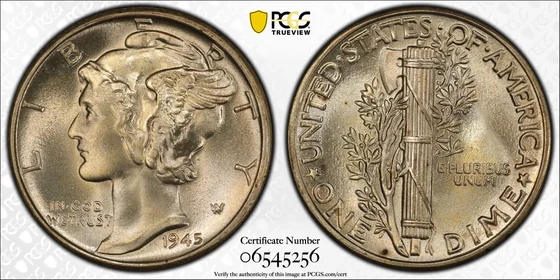
United States · 1916–1945 Mercury Dimes Mercury dimes portray Liberty in a winged cap. Their shared silver composition is the starting point; date, reverse mintmark and band detail determine which focused reference to consult next.
Read the guide
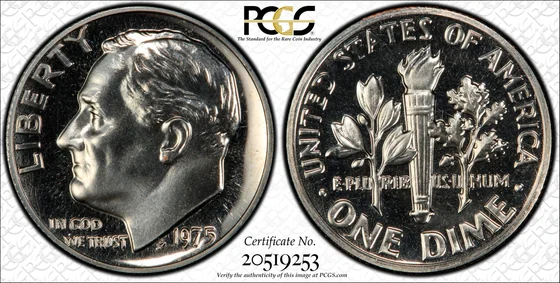
United States · 1946–present Roosevelt Dimes Roosevelt dimes split into silver-era circulation coins, later clad issues and special collector products. A missing mintmark means different things in different years and finishes, so a date alone cannot answer the value question.
Read the guide
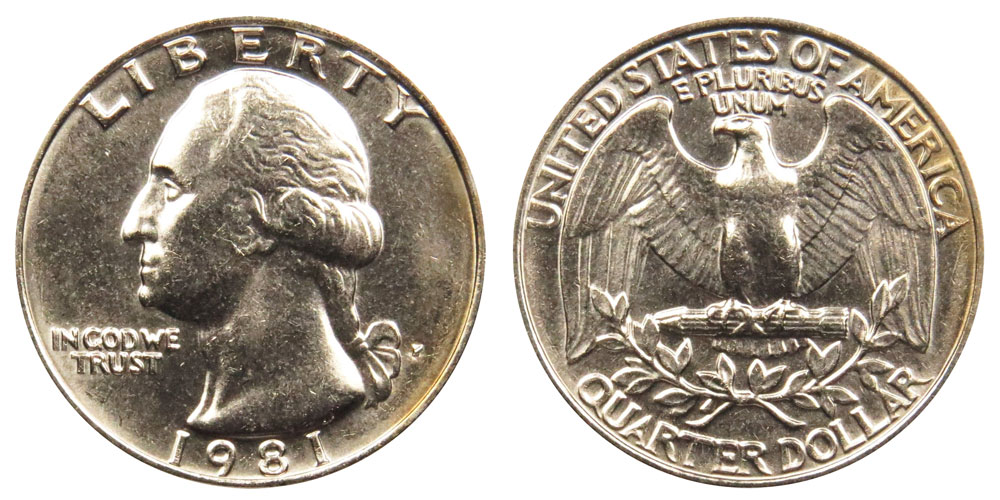
United States · 1932–1998 Washington Quarters: 1932-1998 Classic Washington quarters cross the 1965 silver-to-clad boundary and include the familiar Bicentennial drummer reverse. Identify metal, date and mint before deciding whether the coin belongs with ordinary change or a specialist collector issue.
Read the guide
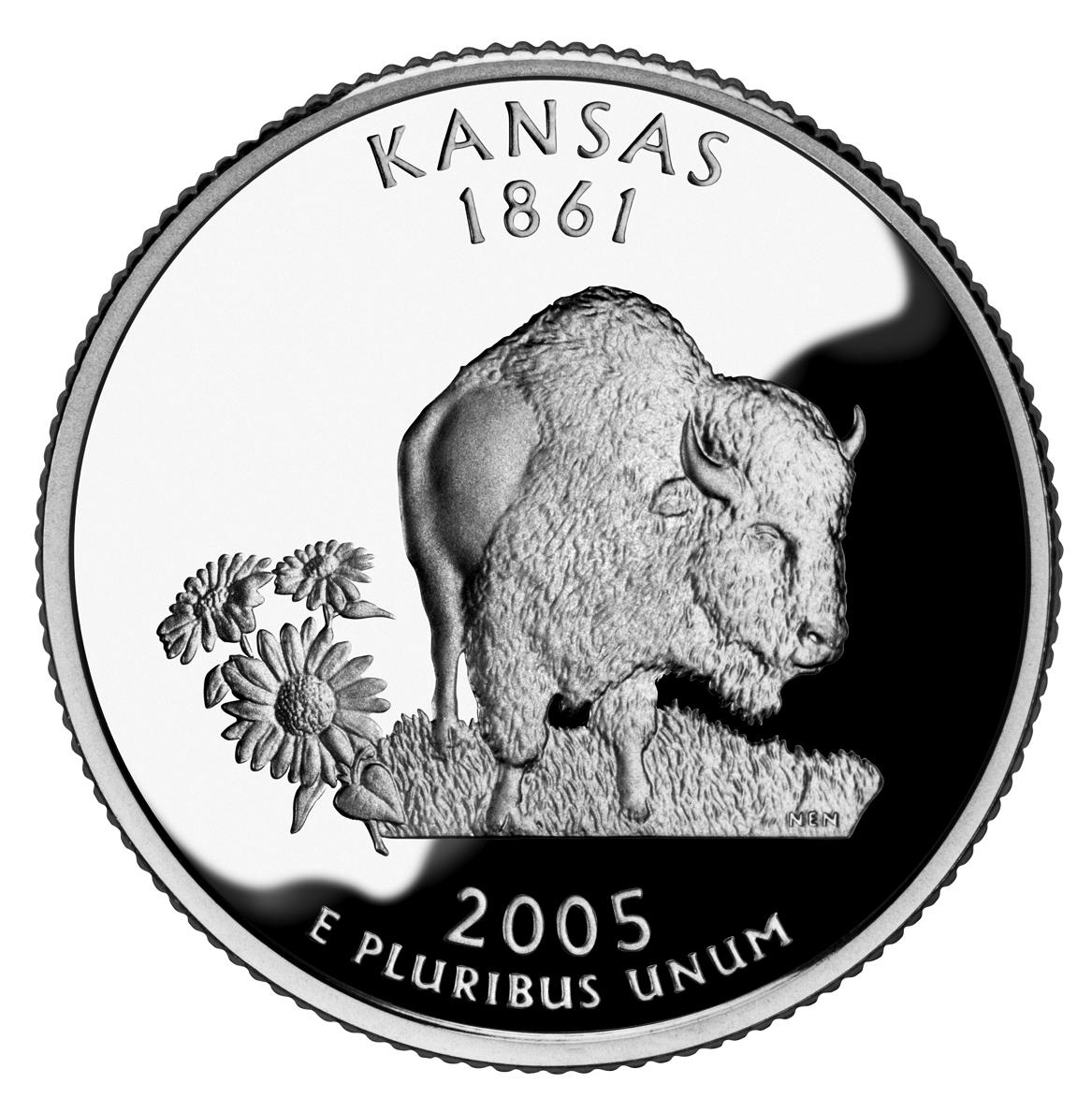
United States · 1999–2008 50 State Quarters State Quarter research starts with state, issue date, mint and finish. The statehood date is not the production year, and completeness alone does not make an album rare.
Read the guide
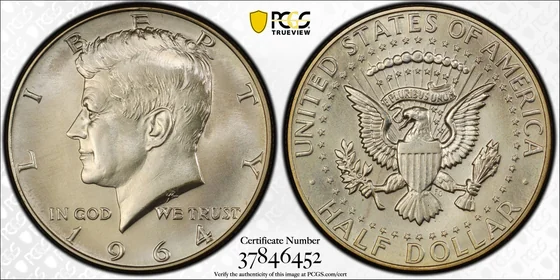
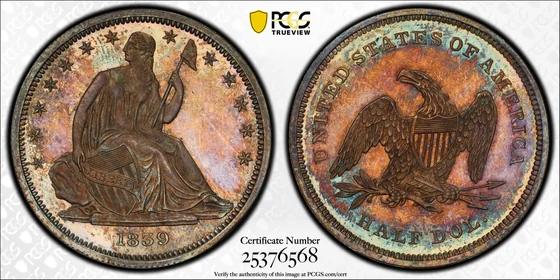
United States · 1964–present Kennedy Half Dollars Kennedy halves branch into silver, silver-clad and copper-nickel clad issues. Identify composition and collector finish first; absence from everyday change does not establish scarcity.
Read the guide
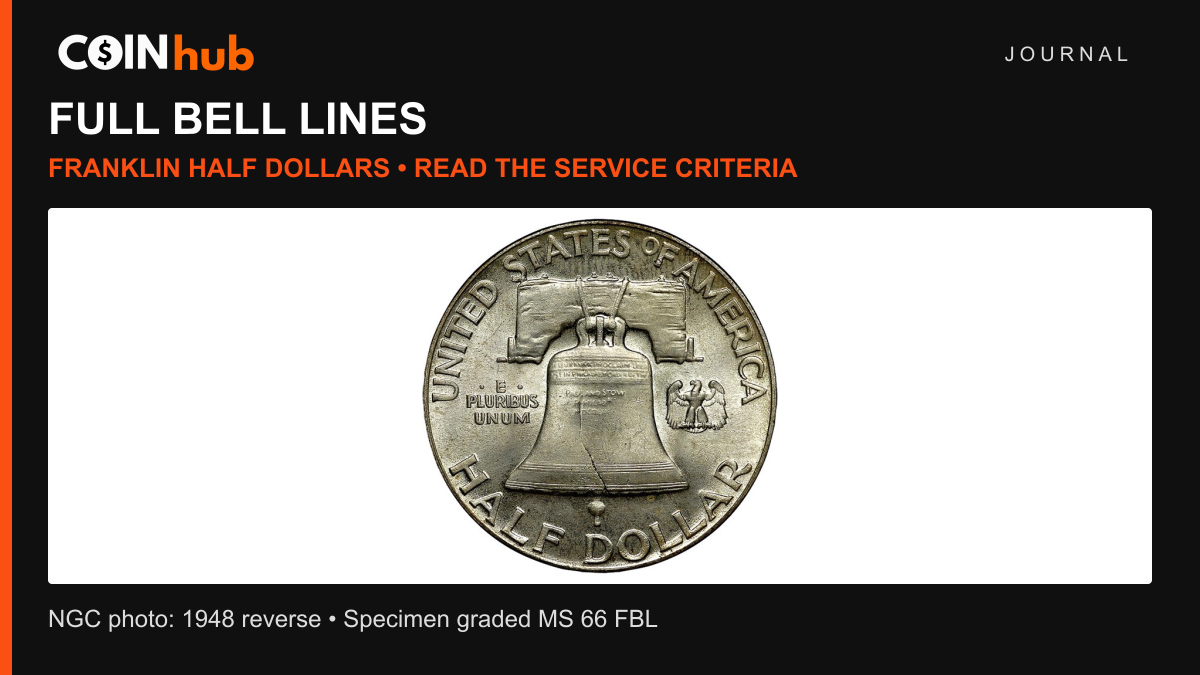
United States · 1948–1963 Franklin Half Dollars Franklin research separates circulation strikes, proofs and specialist bell-line questions. Their broad fields make surface preservation important even when the Liberty Bell appears sharp.
Read the guide
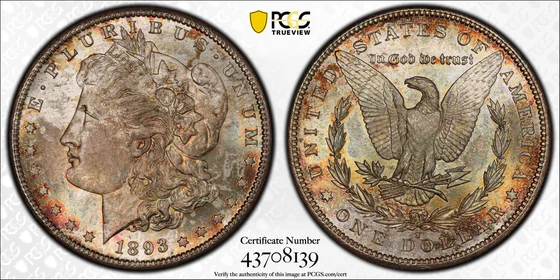
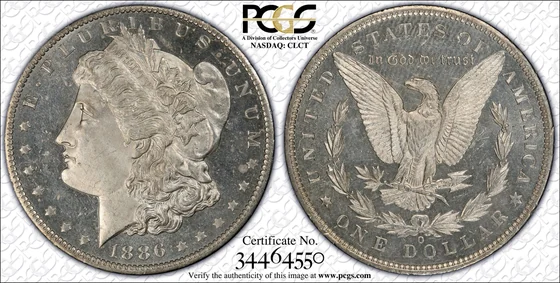
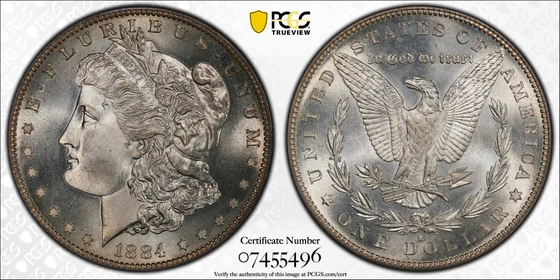
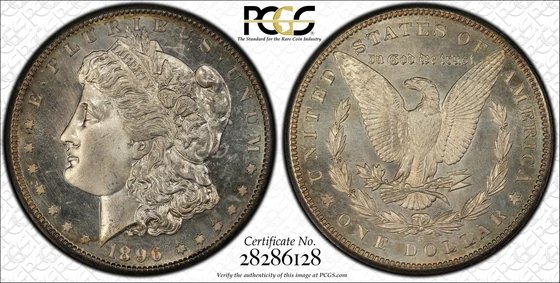
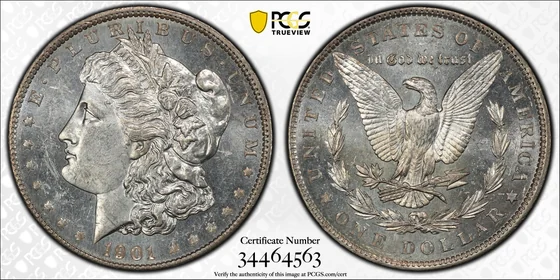
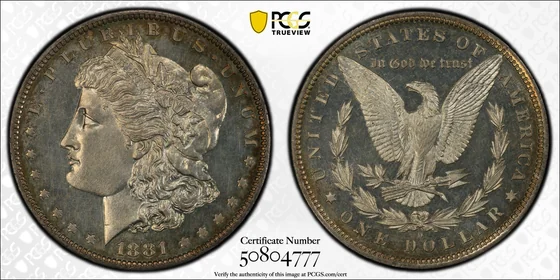
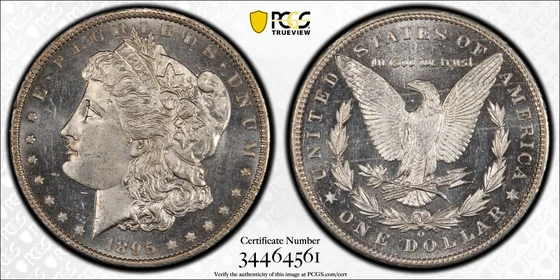
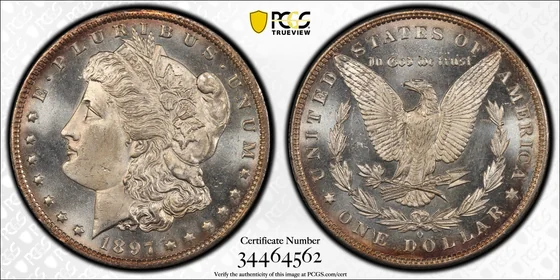
United States · 1878–1921 Classic Morgan Dollars Morgan research separates historic dollars, modern tributes and attributed varieties. Classic production ran in 1878-1904 and resumed in 1921; the intervening years are not missing issues to collect.
Read the guide
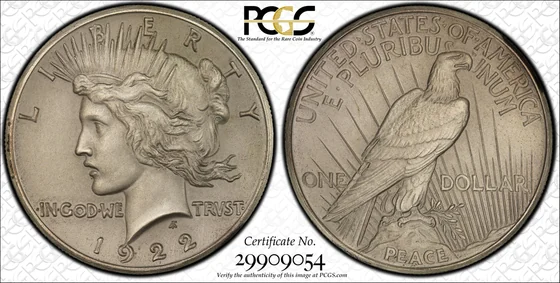
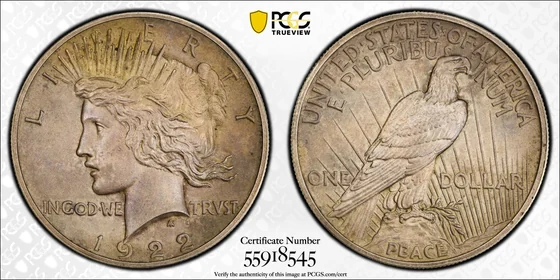
United States · 1921–1935 Classic Peace Dollars Peace dollar research branches by production period, first-year relief and preservation. Identify the radiant Liberty portrait and PEACE reverse before consulting a date-specific or die-variety reference.
Read the guide
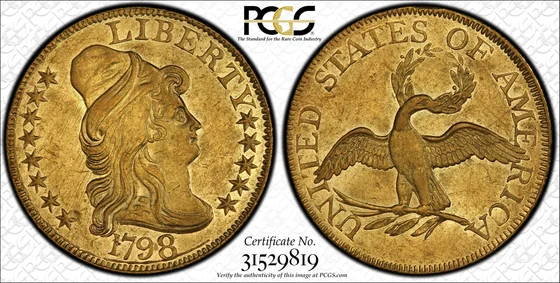
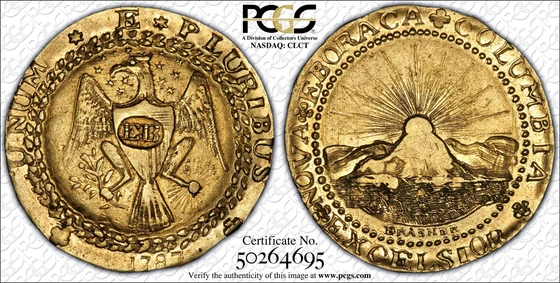
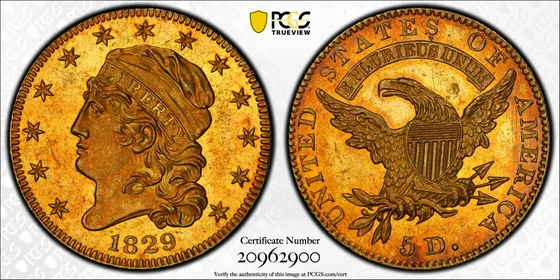
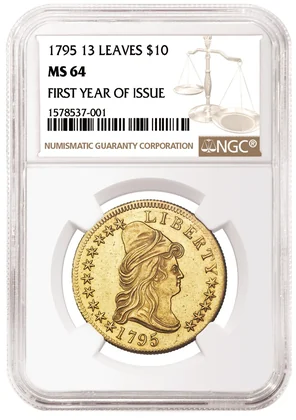
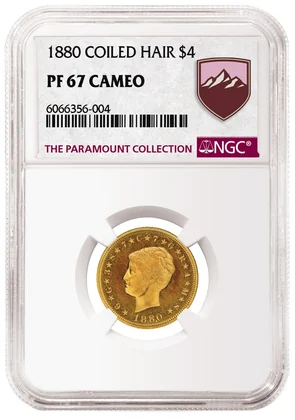
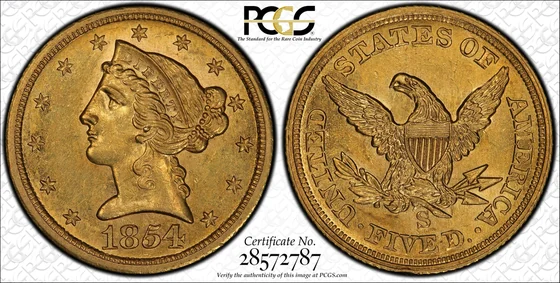
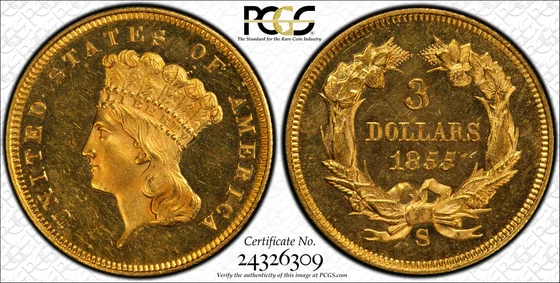
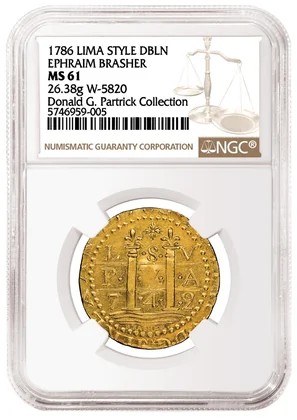
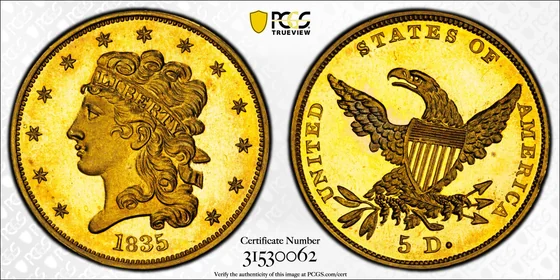
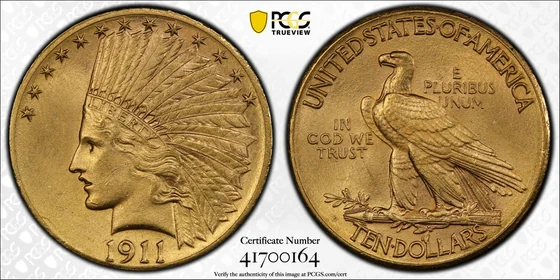
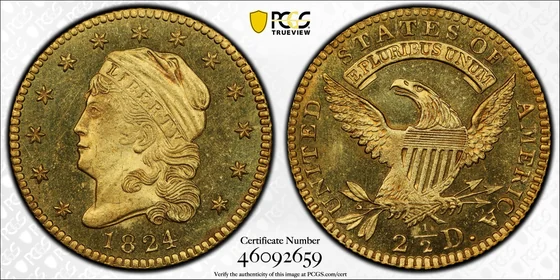
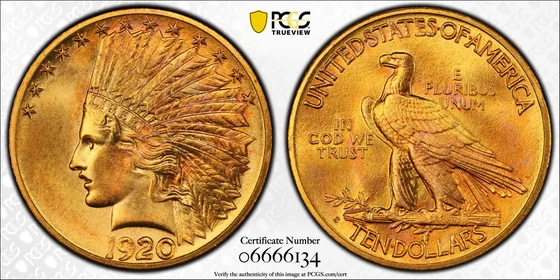
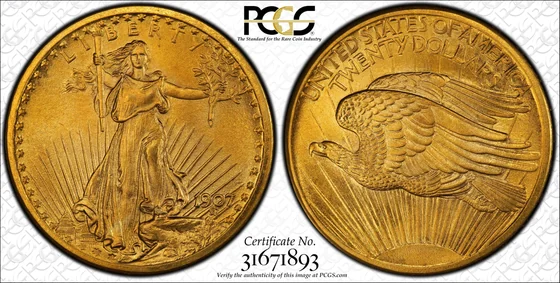
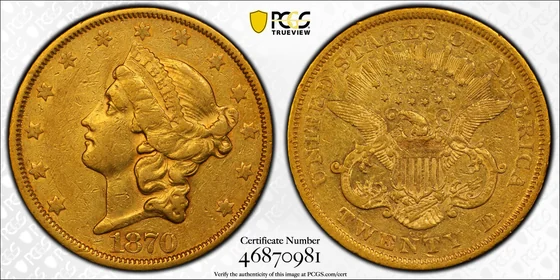
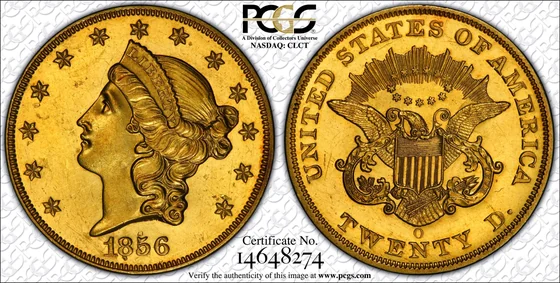
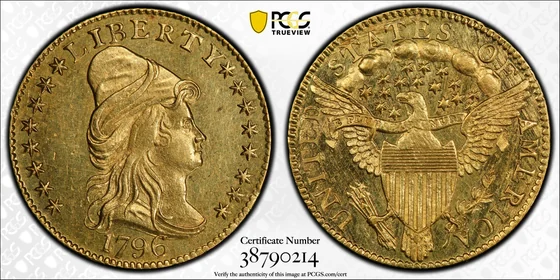
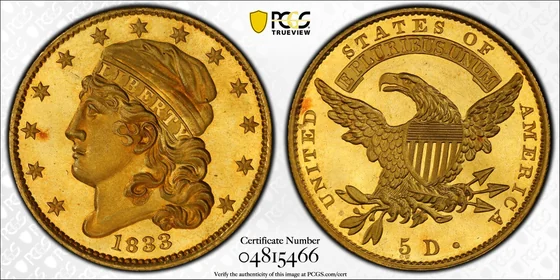
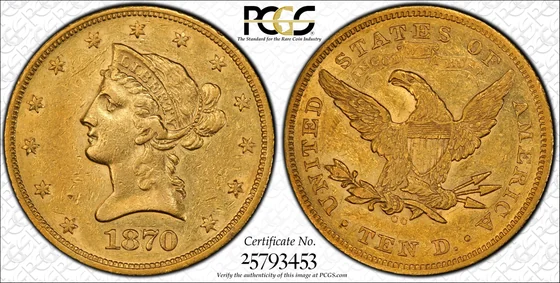
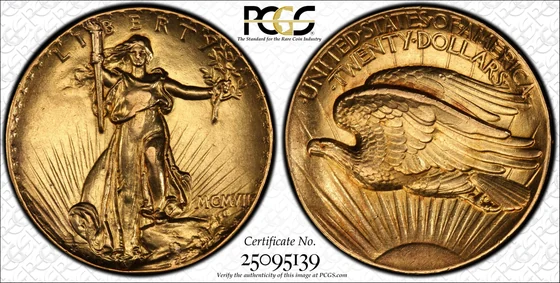
United States · 1795–1932 Pre-1933 U.S. Gold Coins Classic U.S. gold research begins with denomination and exact type. Historic alloy standards, mint identities and authentication each need a separate check before interpreting metal content or collector evidence.
Read the guide No series guide matches. Check the year and variety guides below, or try a coin design.
The original guides remain at their established URLs. Each has its own dates, condition details and sources.
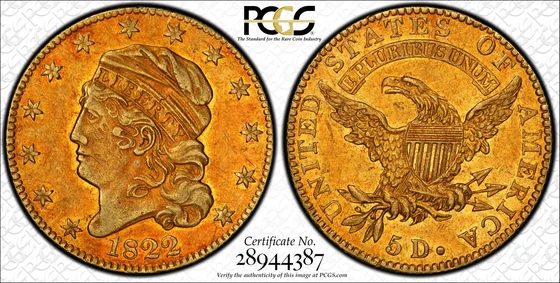
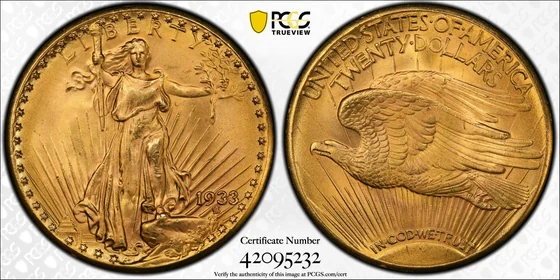
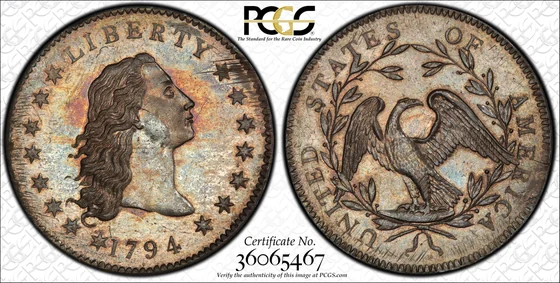
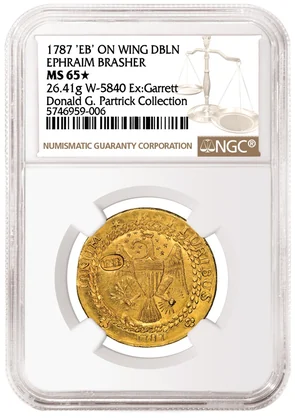
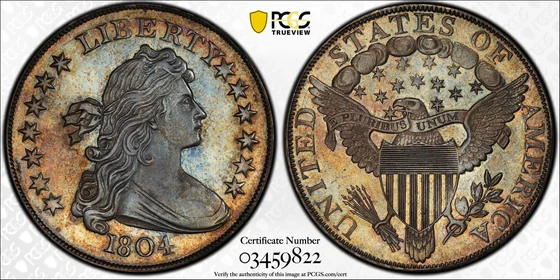
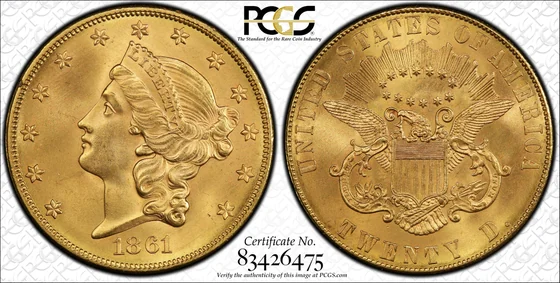
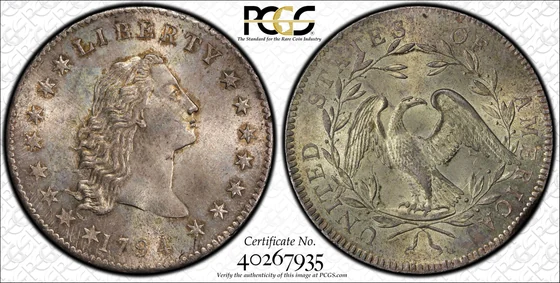
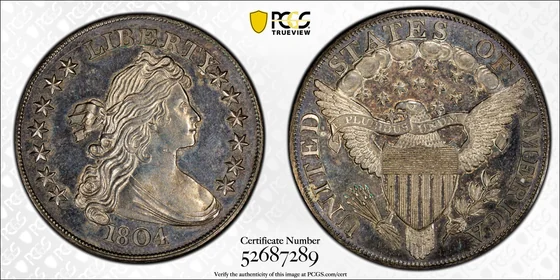
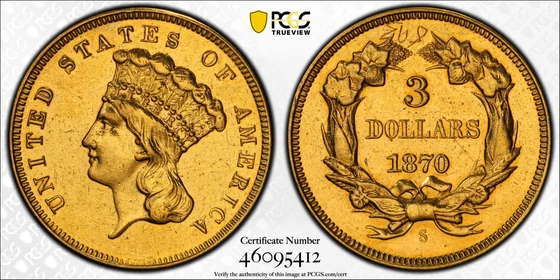
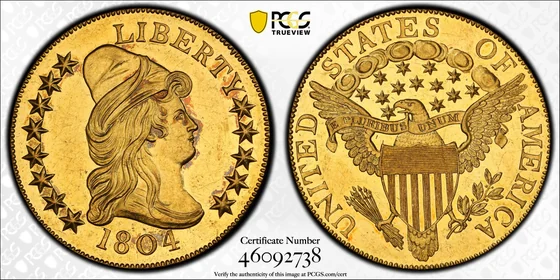
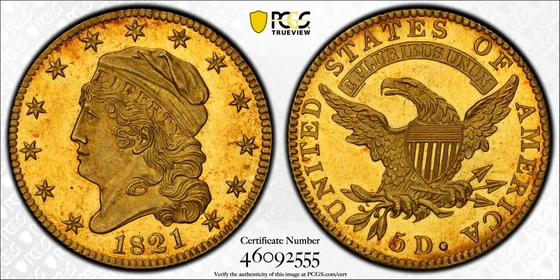
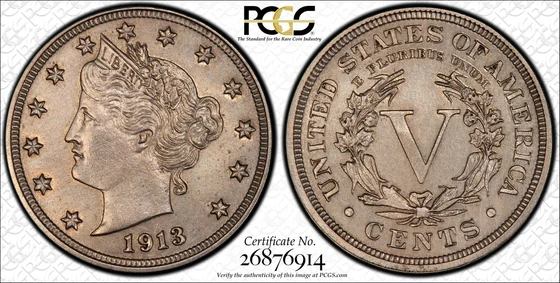
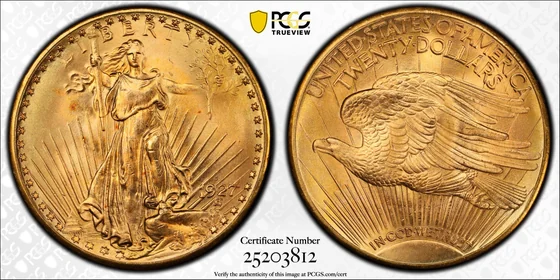
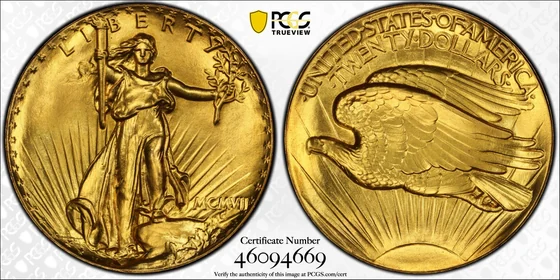
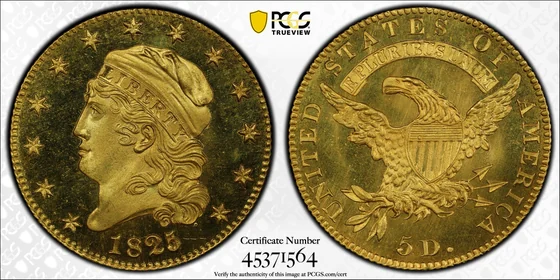
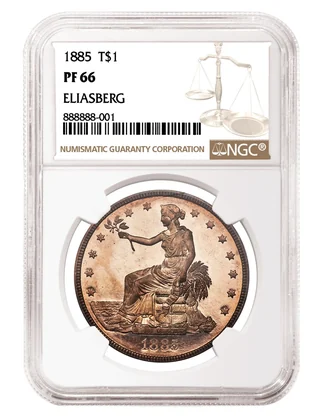
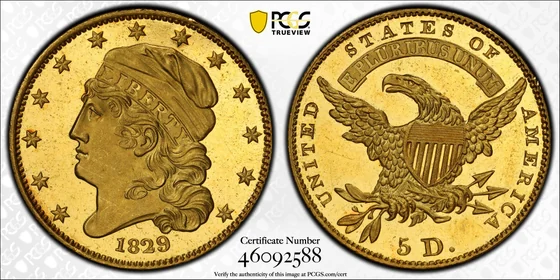
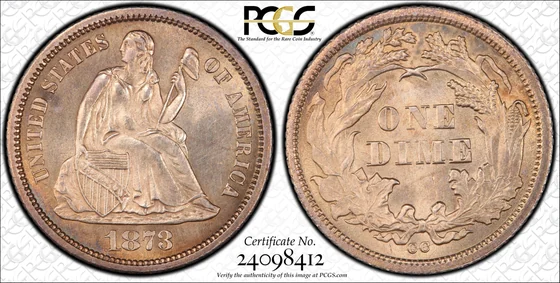
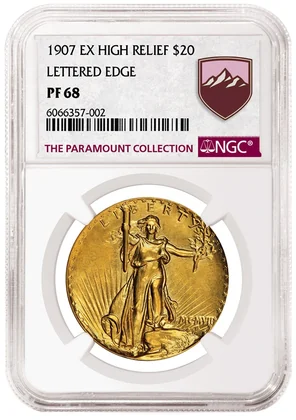
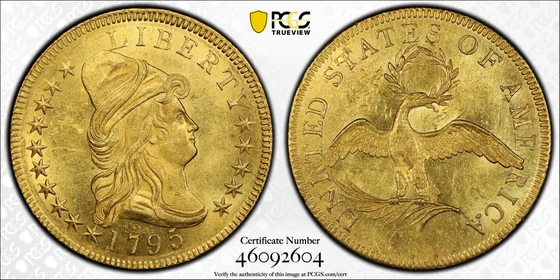
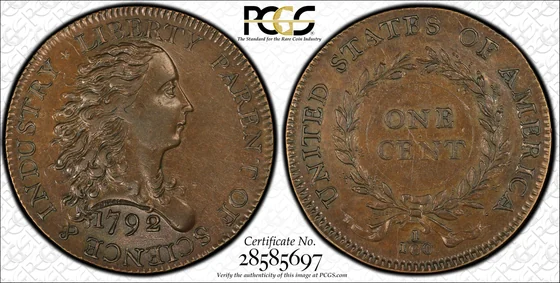
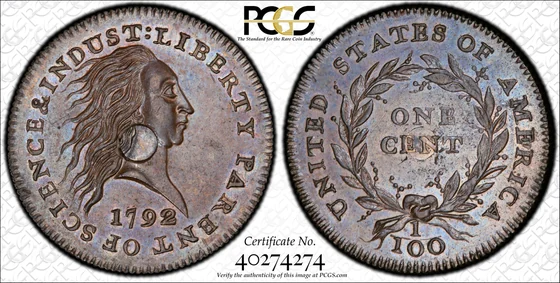
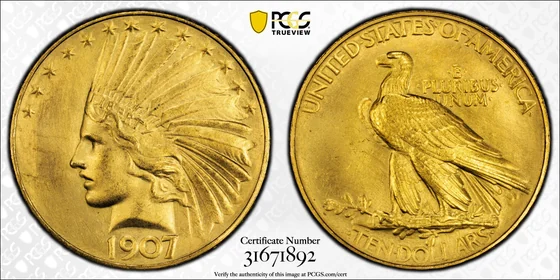
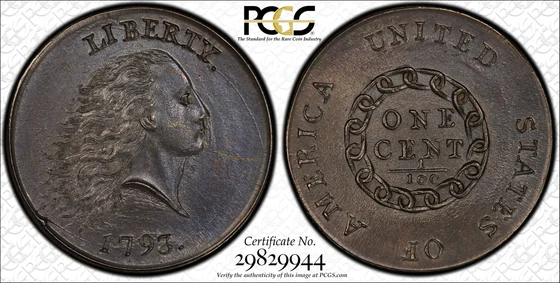
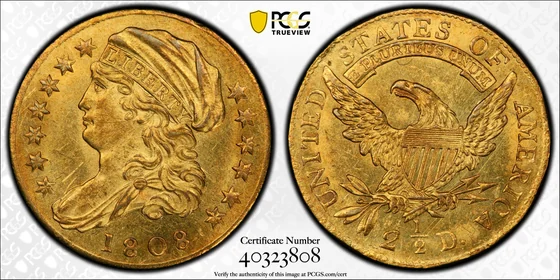
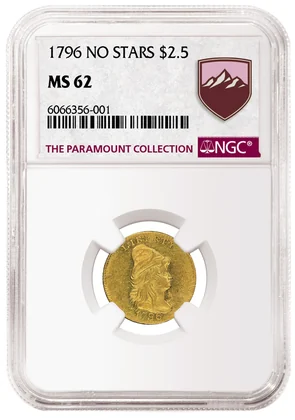
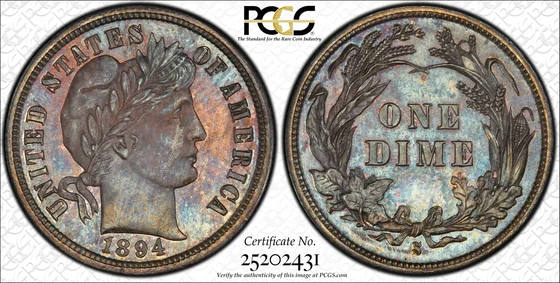
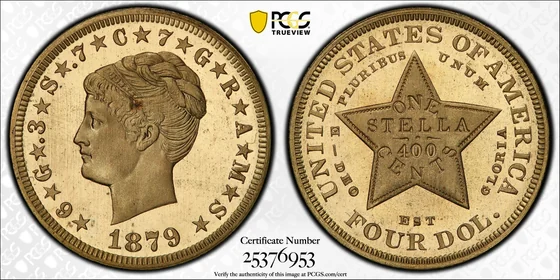
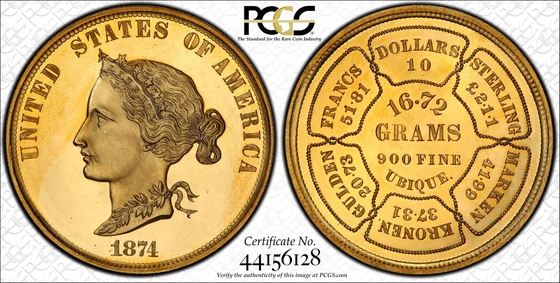
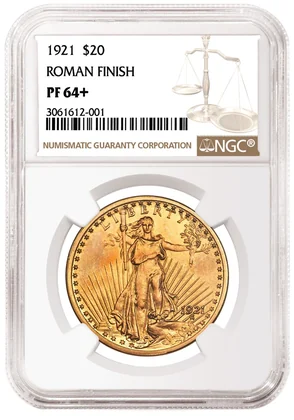
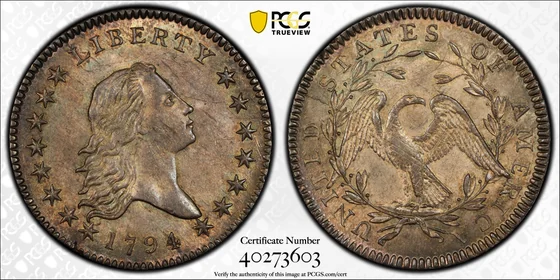
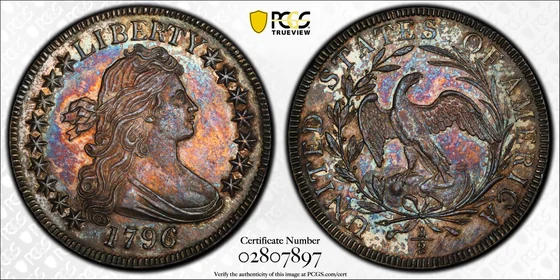
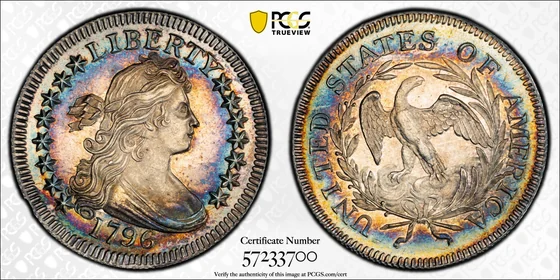
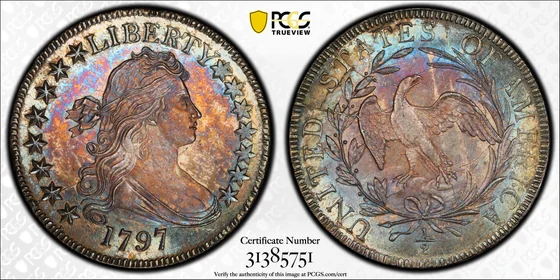
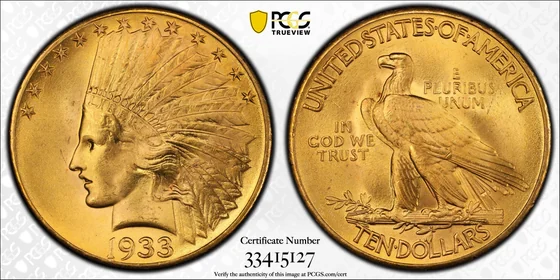
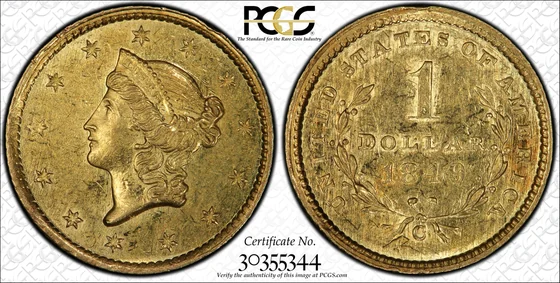
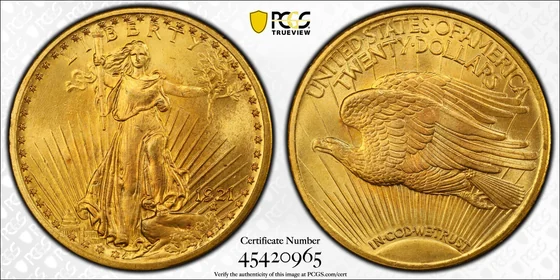
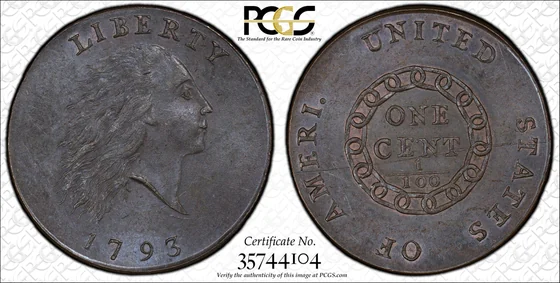
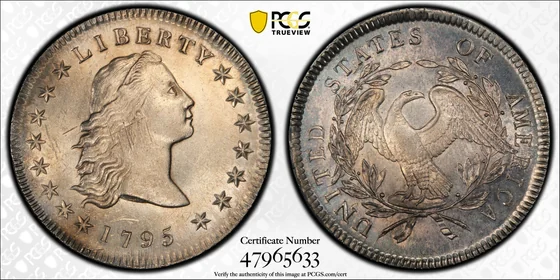
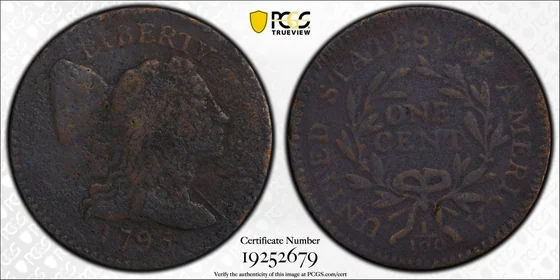
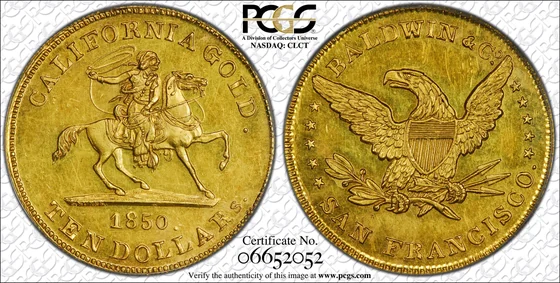
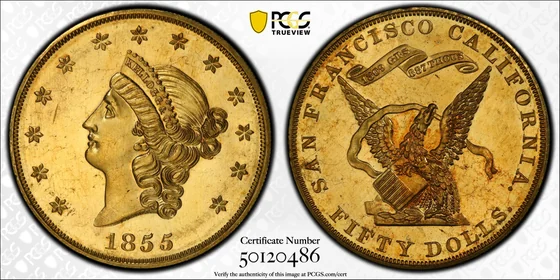
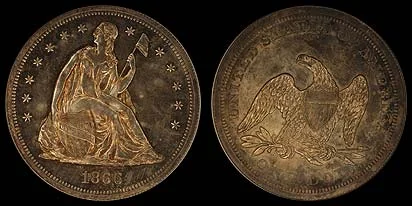
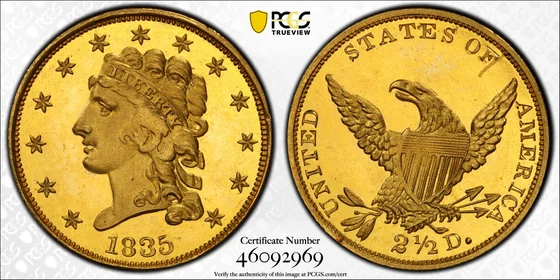
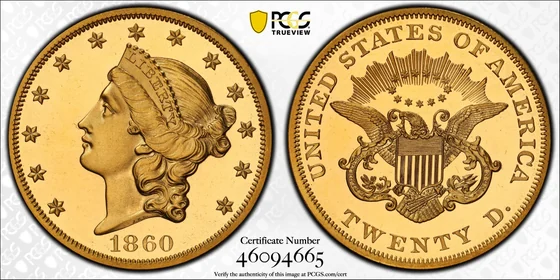
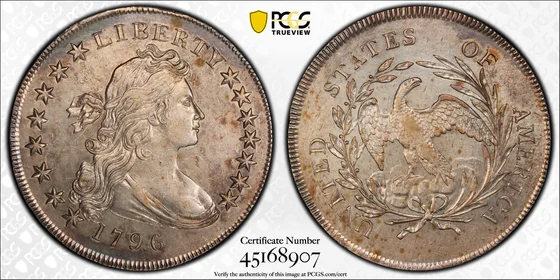
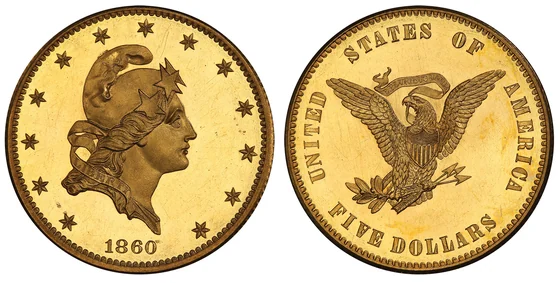
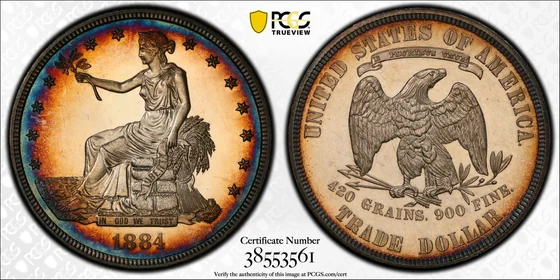
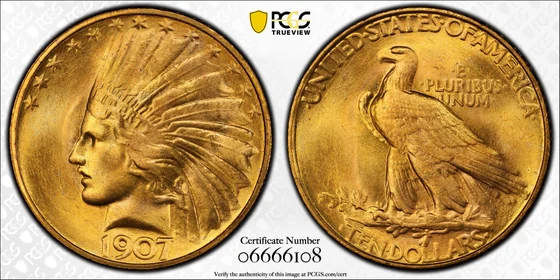
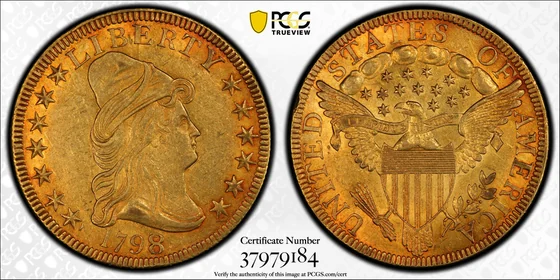
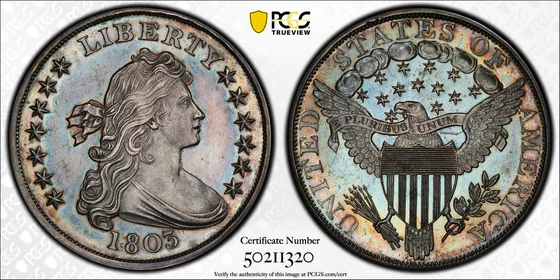
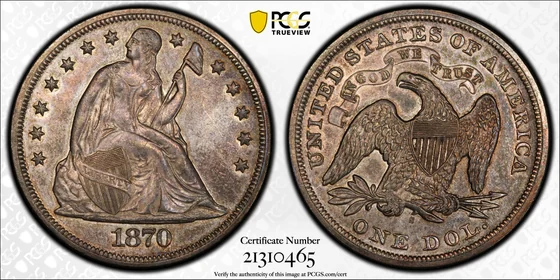
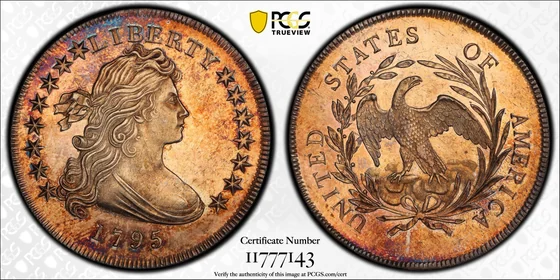
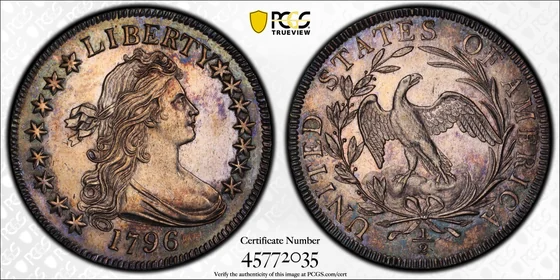
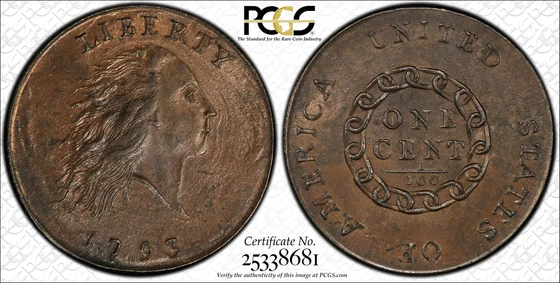
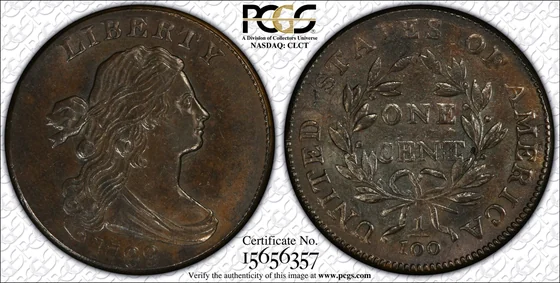
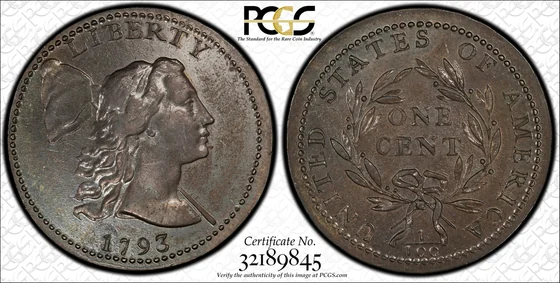
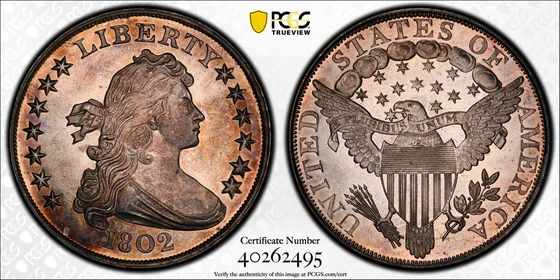
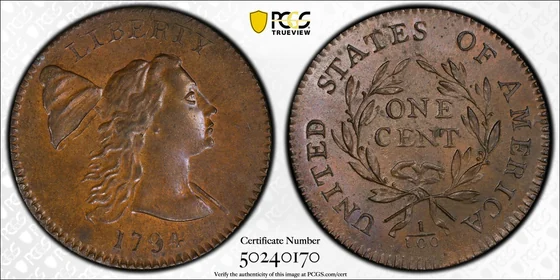
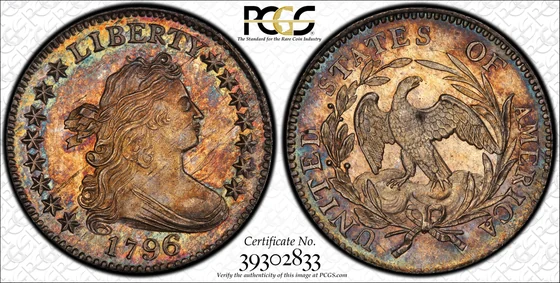
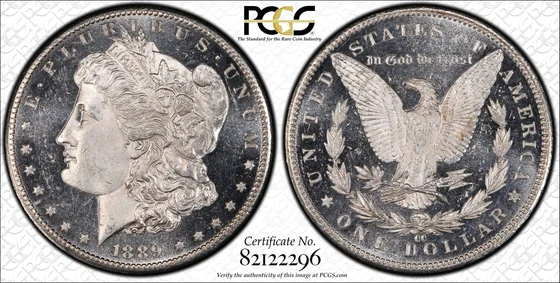
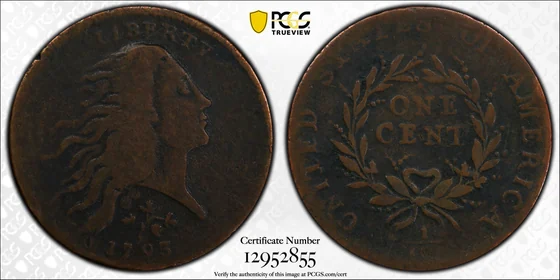
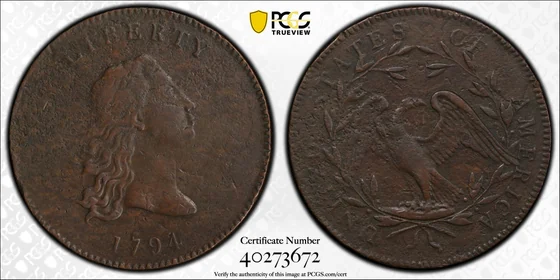
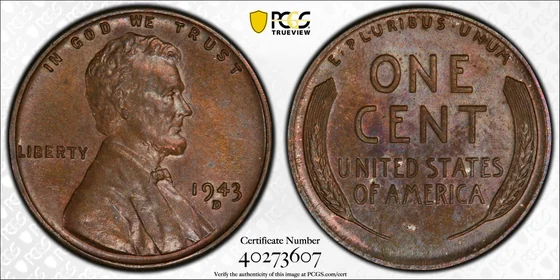
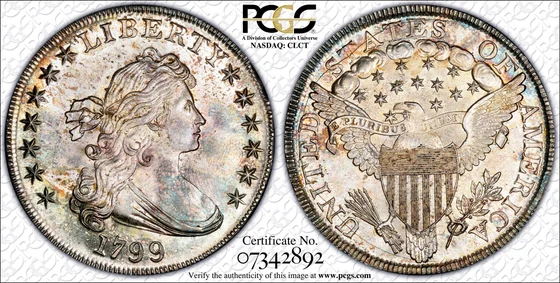
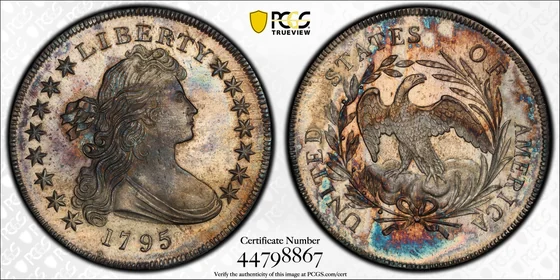
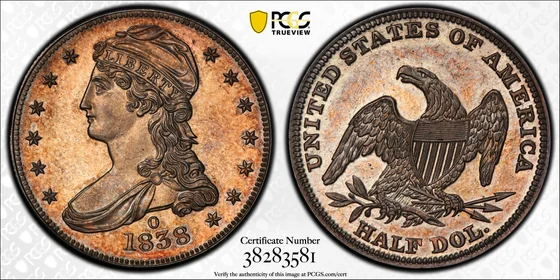
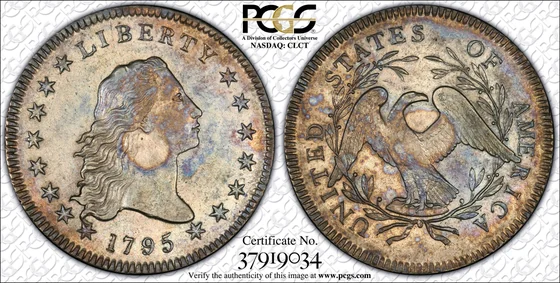
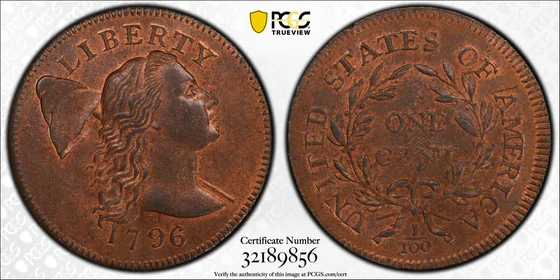
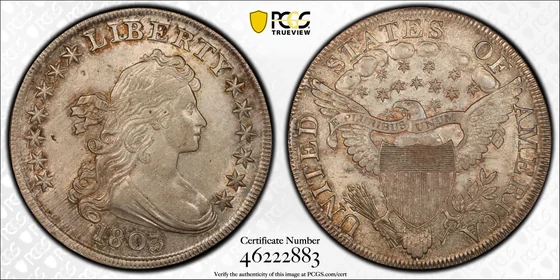
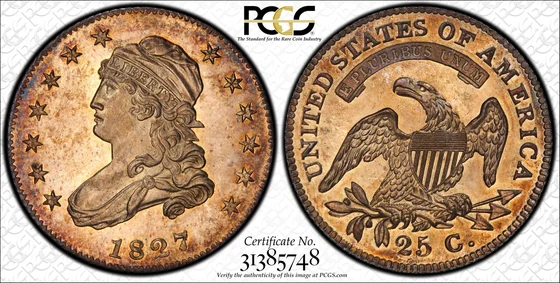
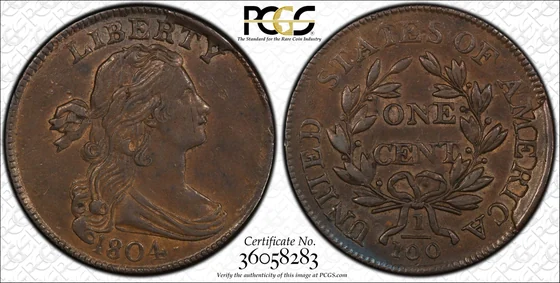
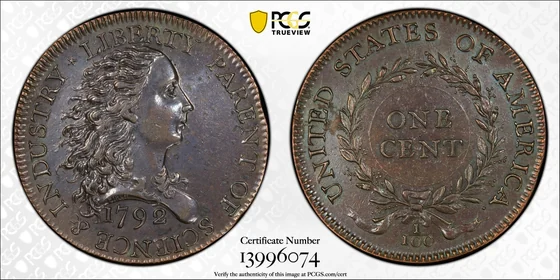
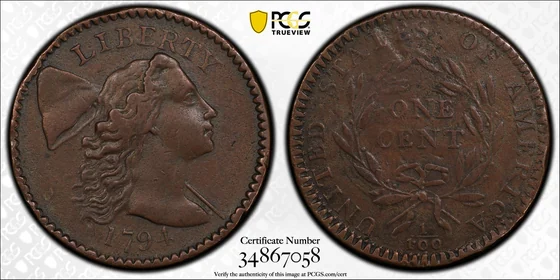
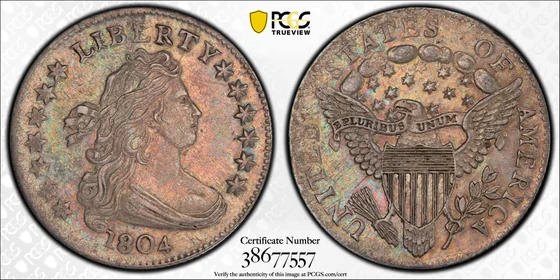
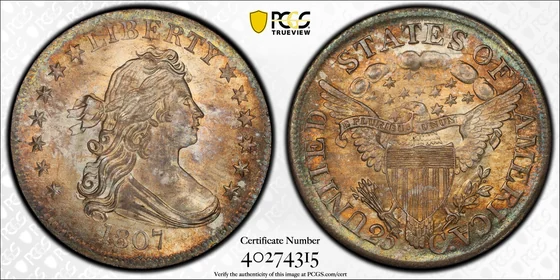
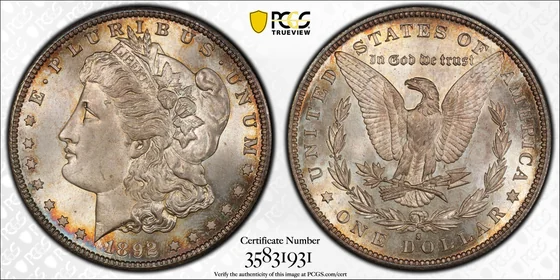
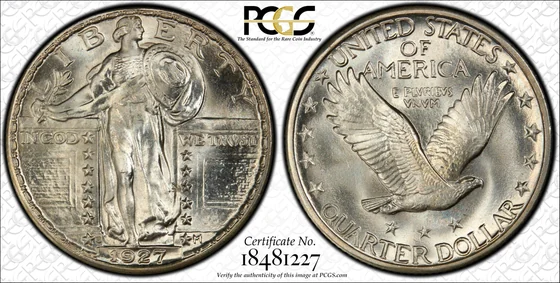
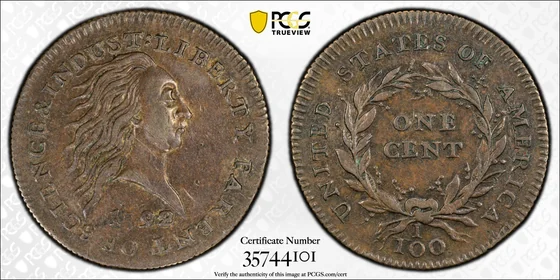
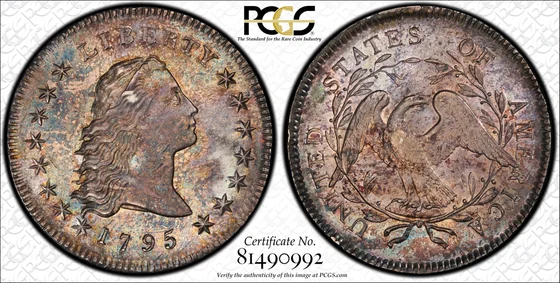
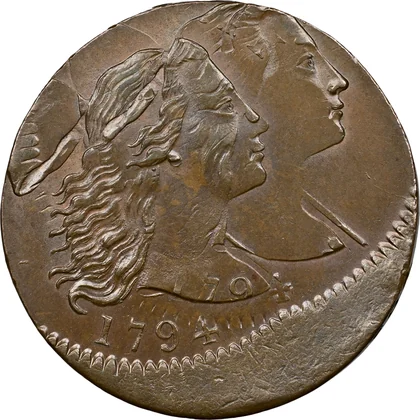
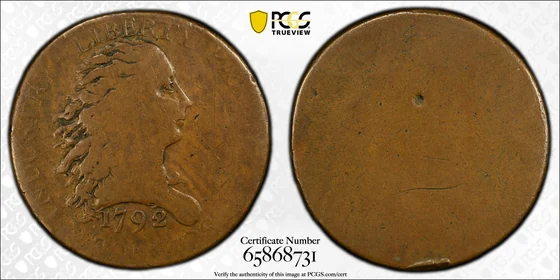
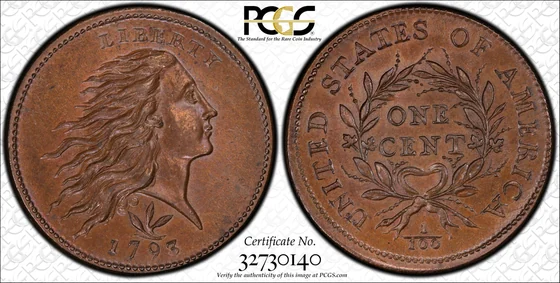
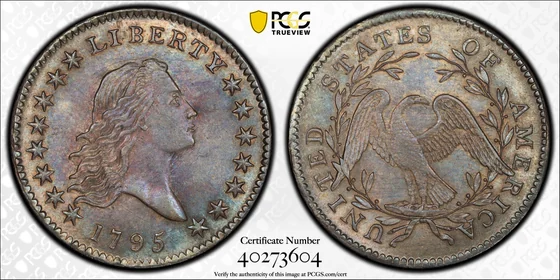
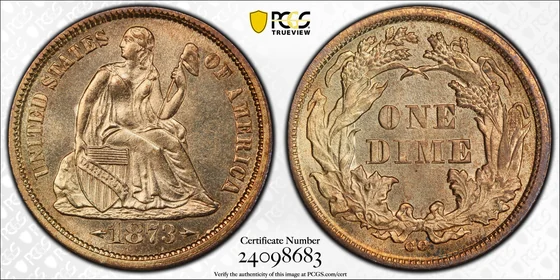
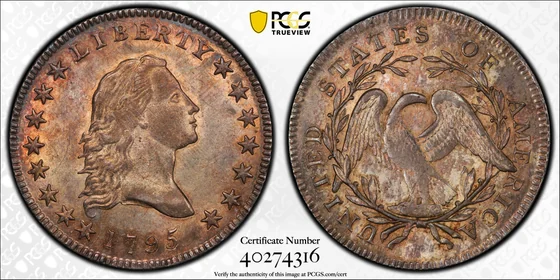
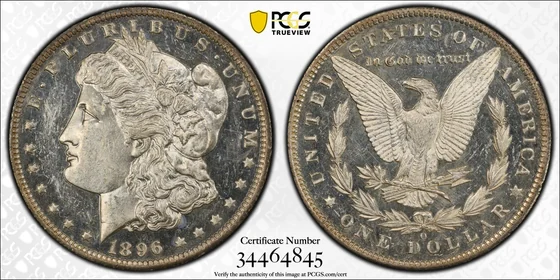
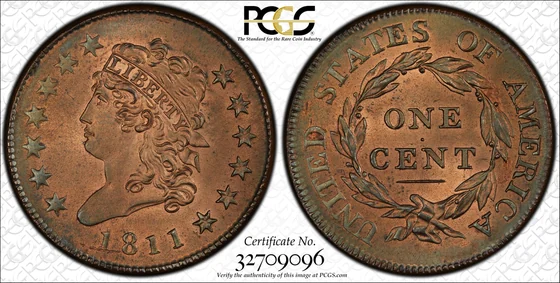
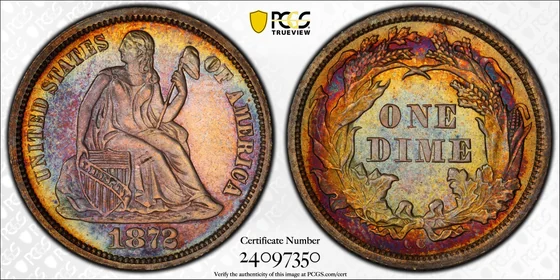
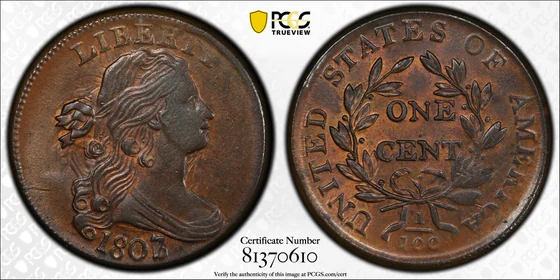
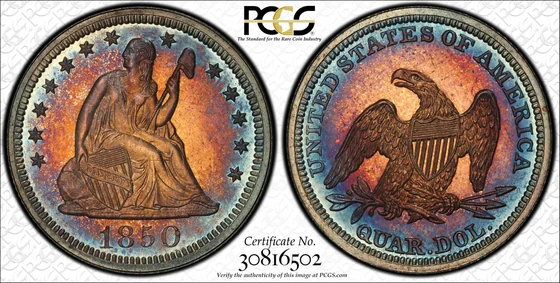
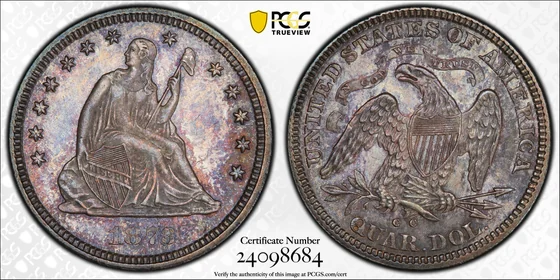
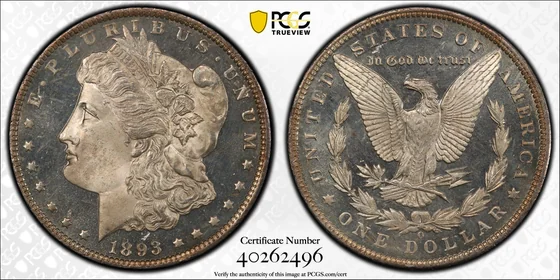
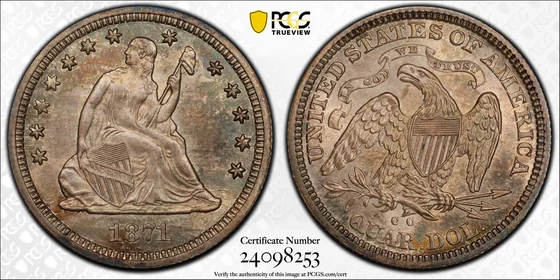
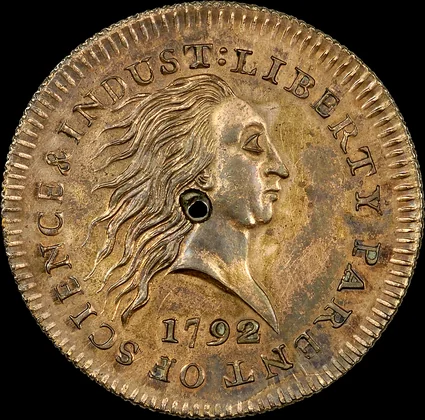
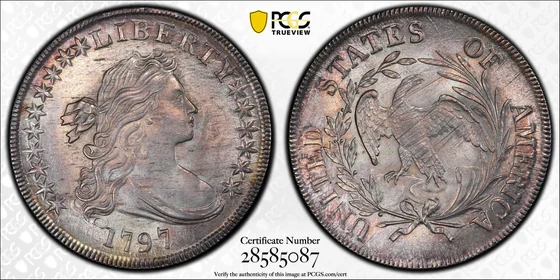
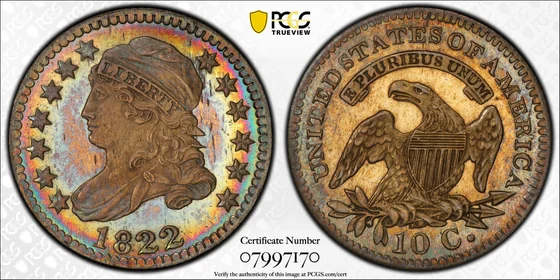
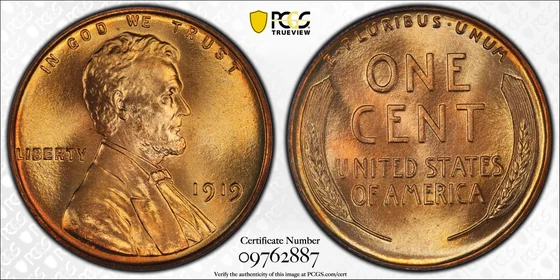
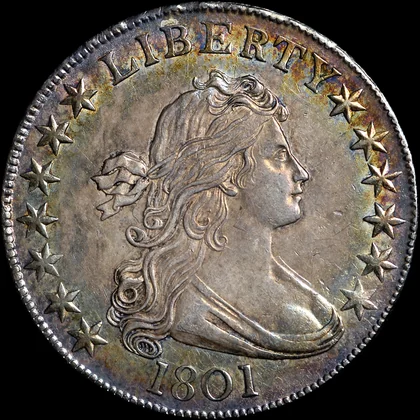
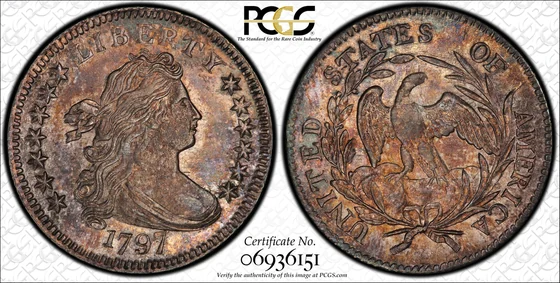
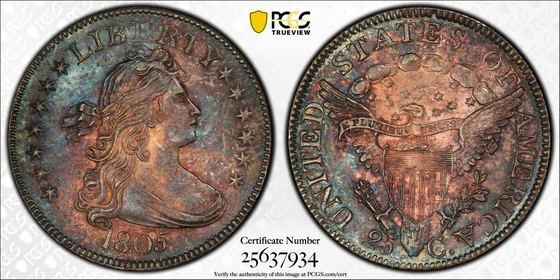
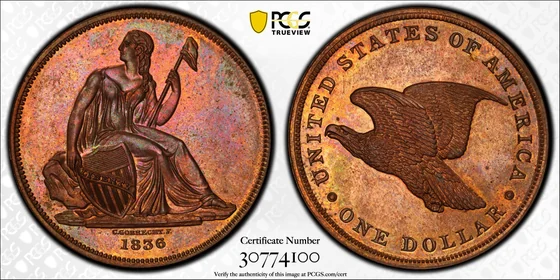
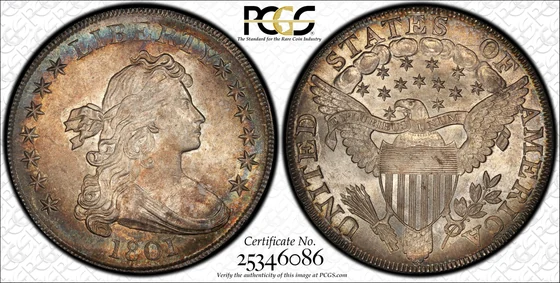
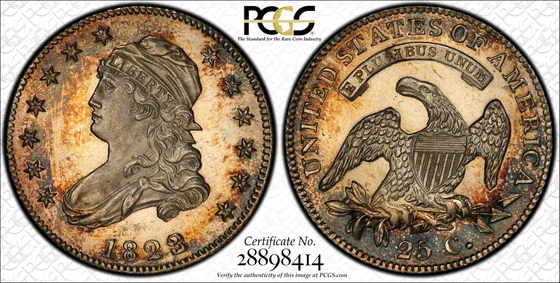
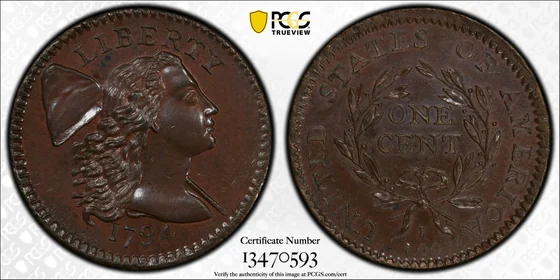
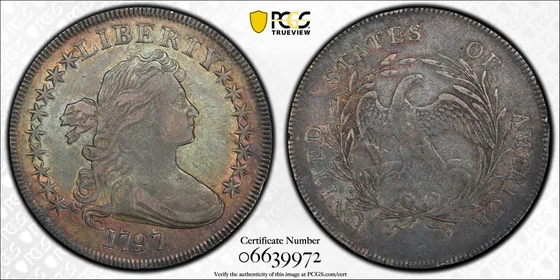
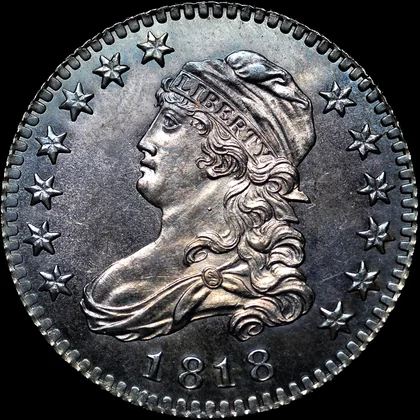
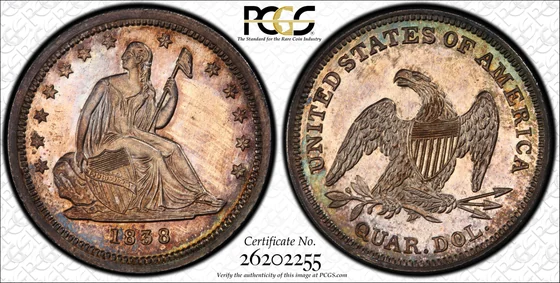
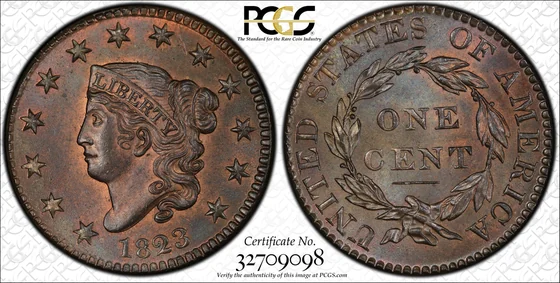
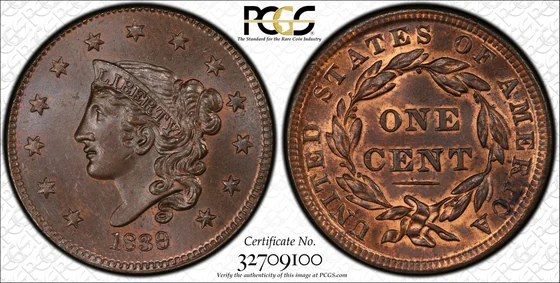
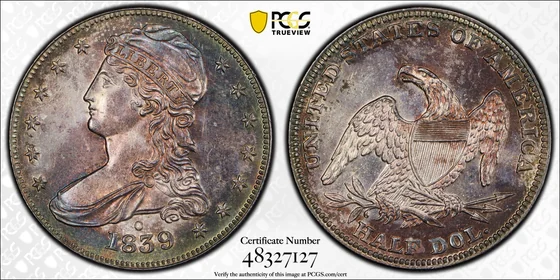
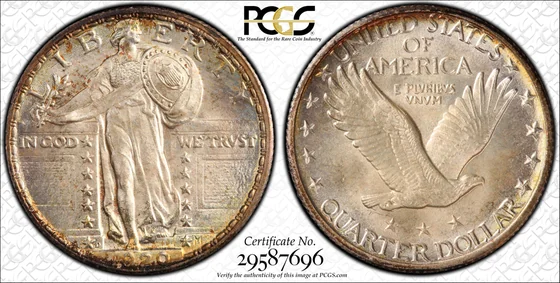
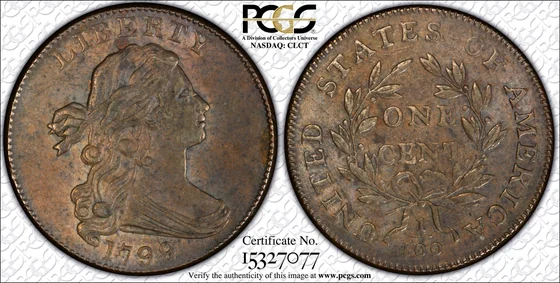
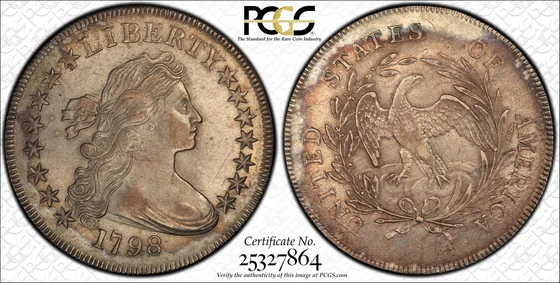
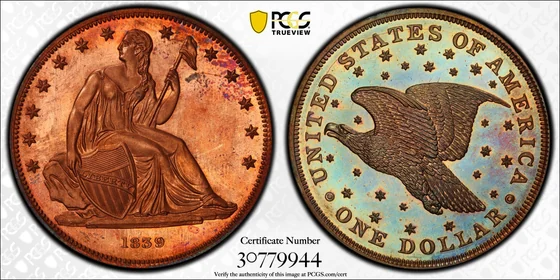
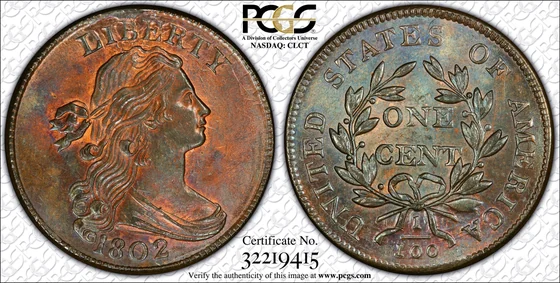
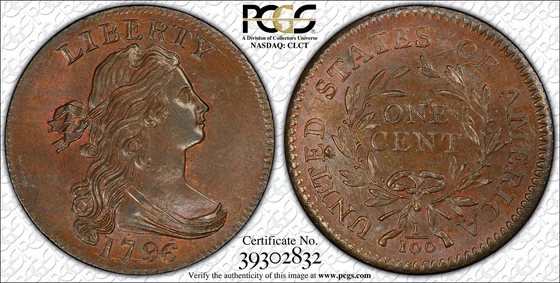
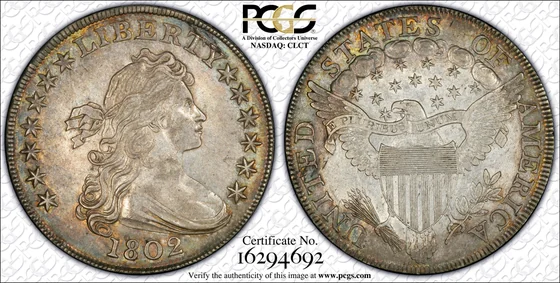
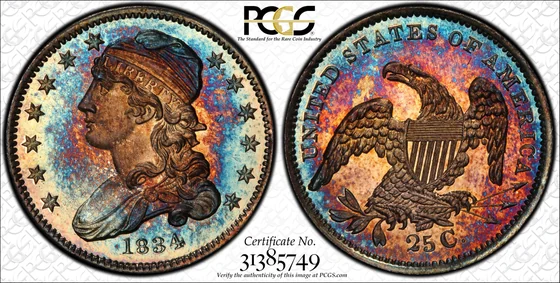
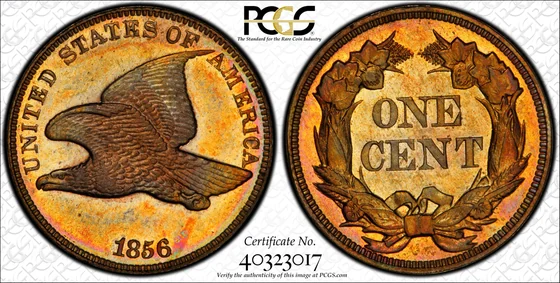
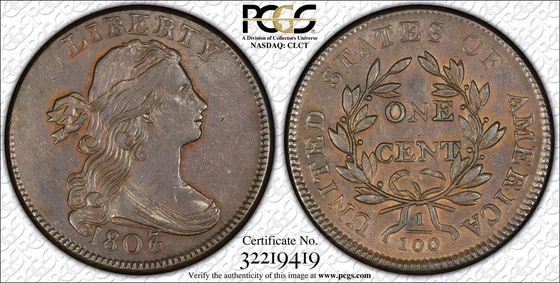
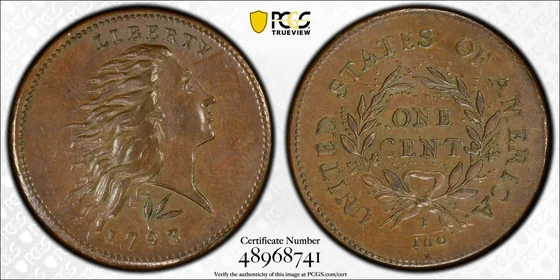
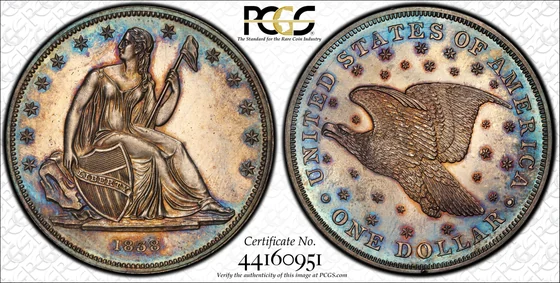
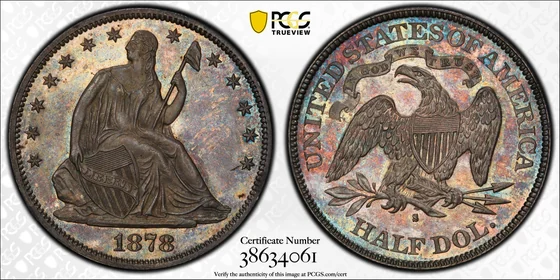
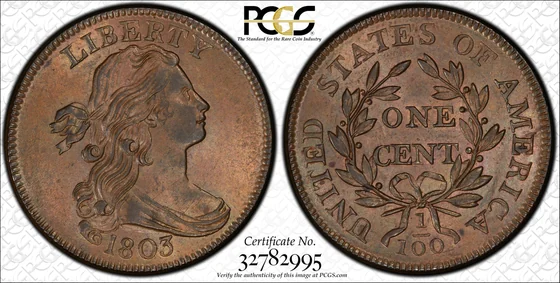
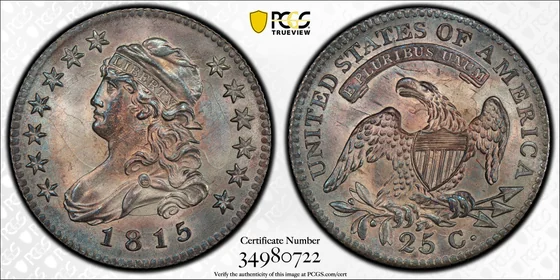
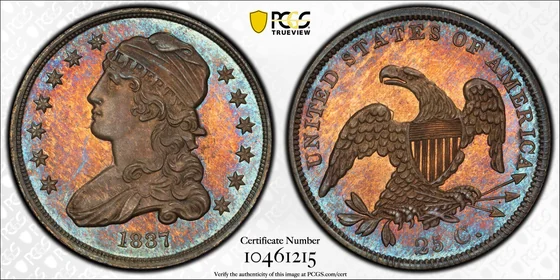
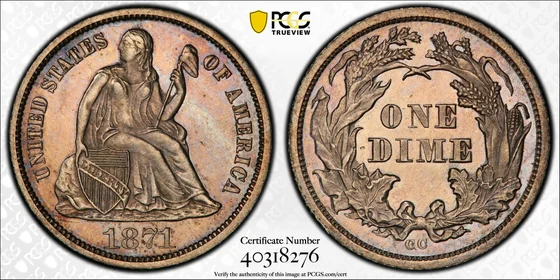
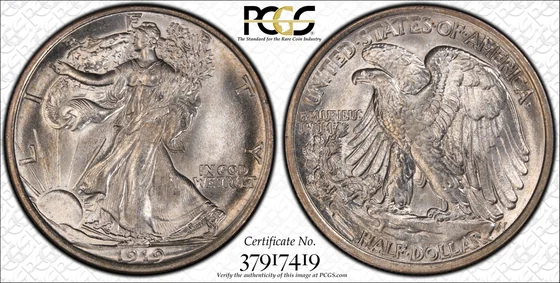
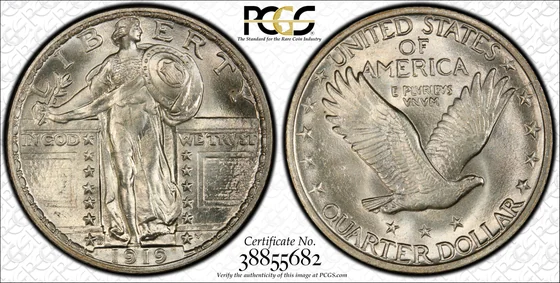
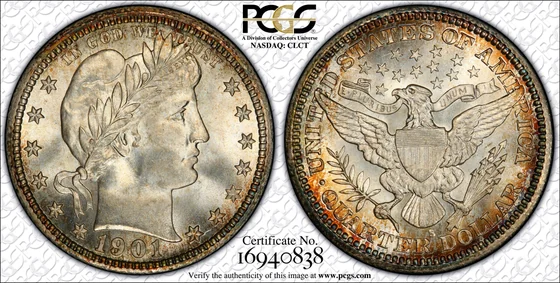
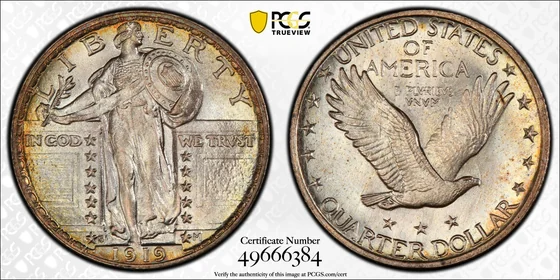
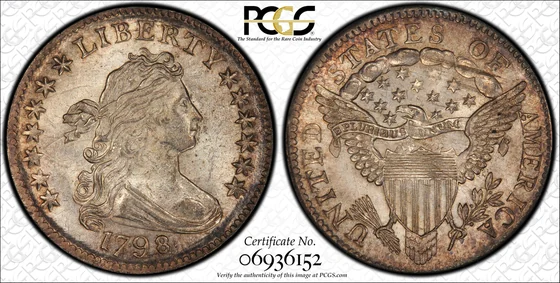
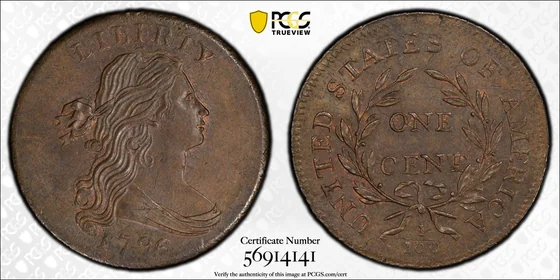
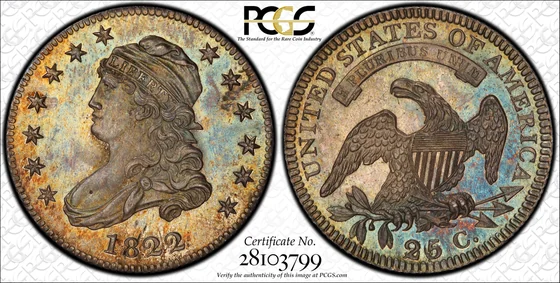
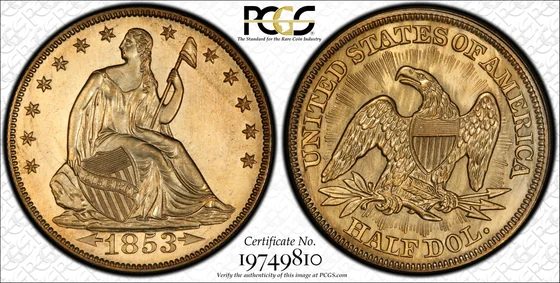
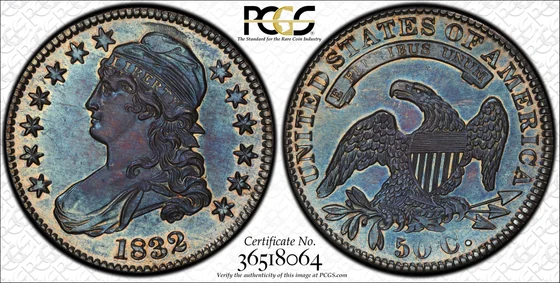
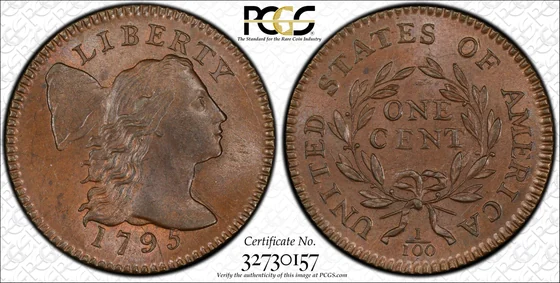
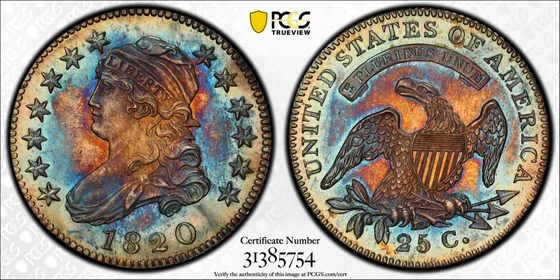
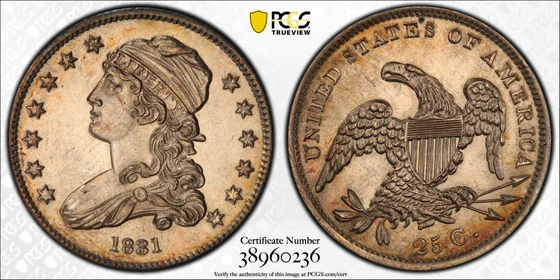
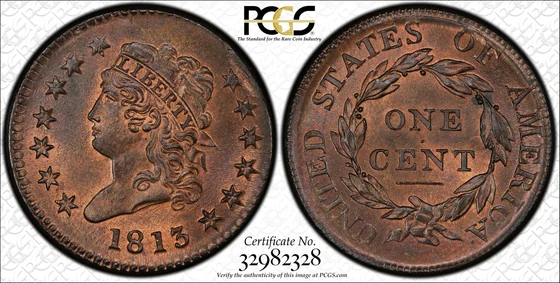
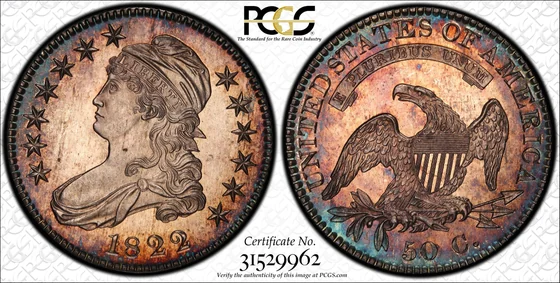
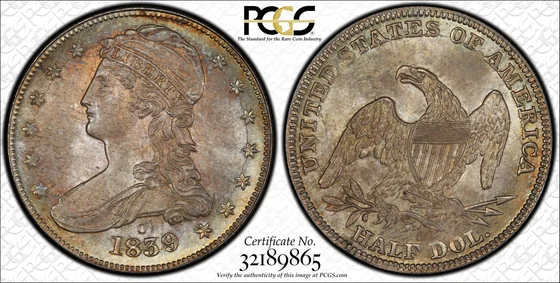
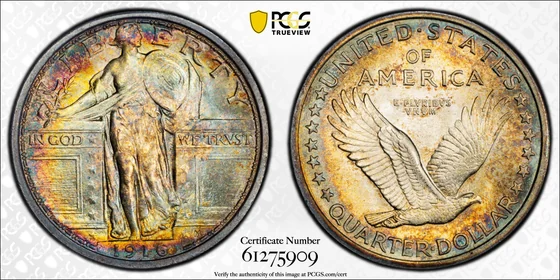
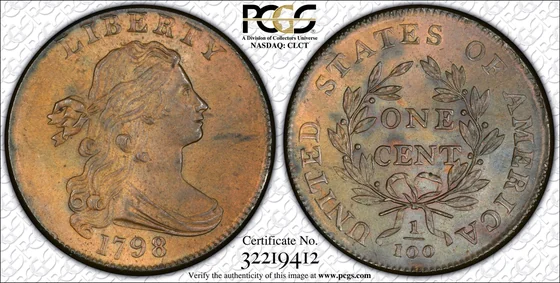
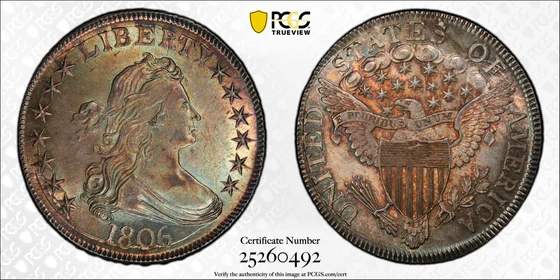
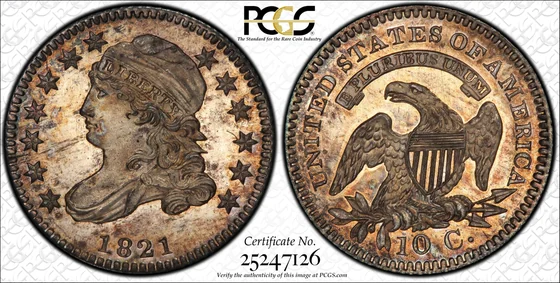
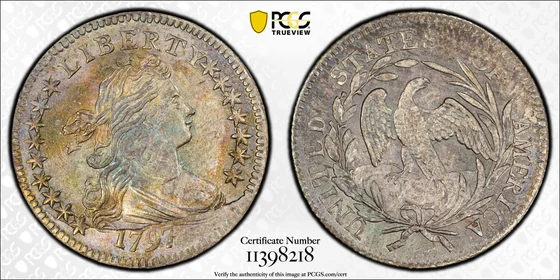
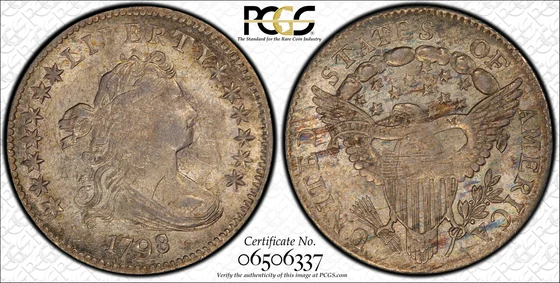
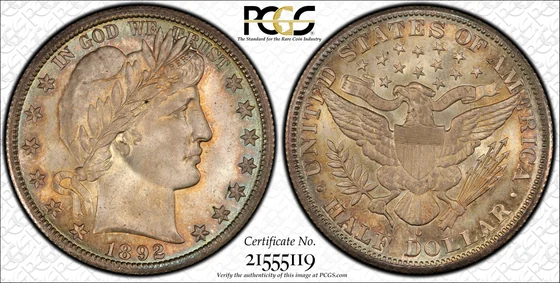
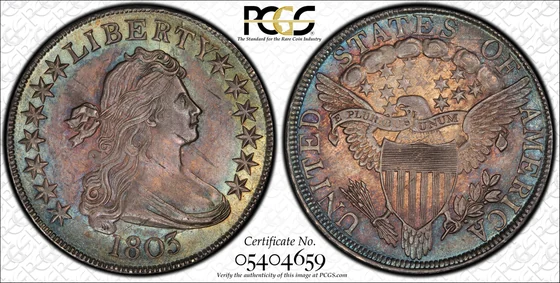
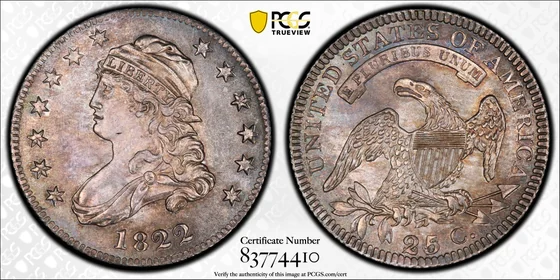
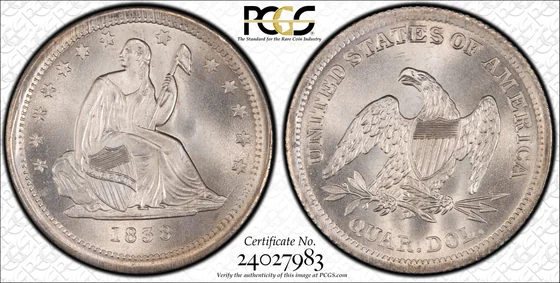
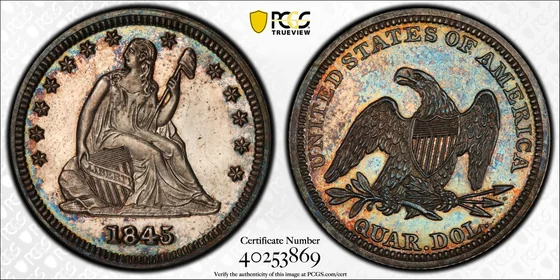
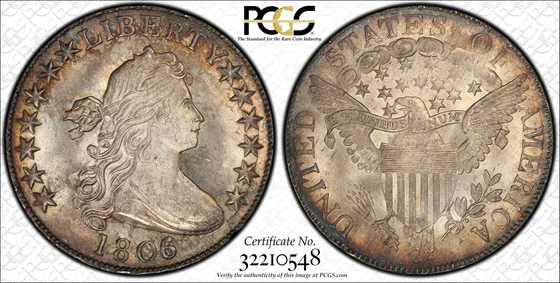
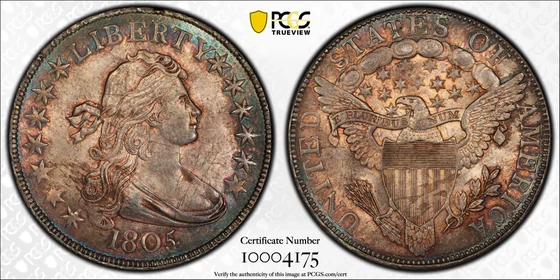
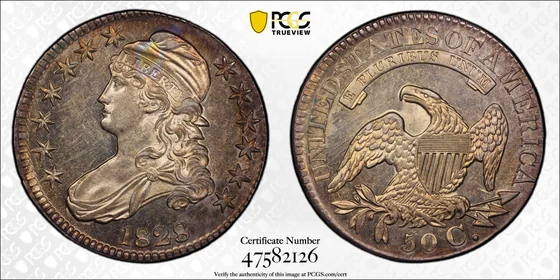
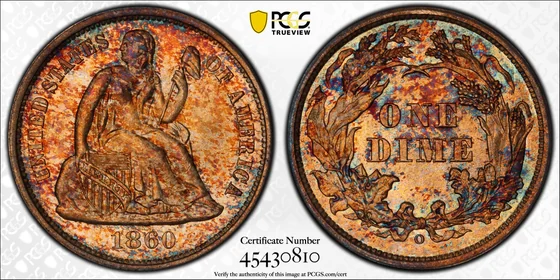
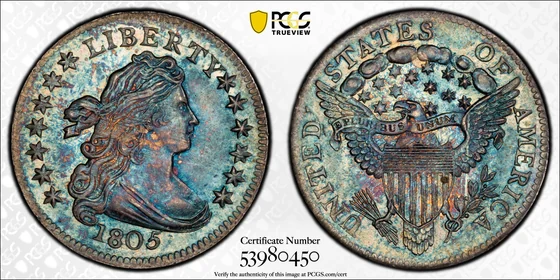
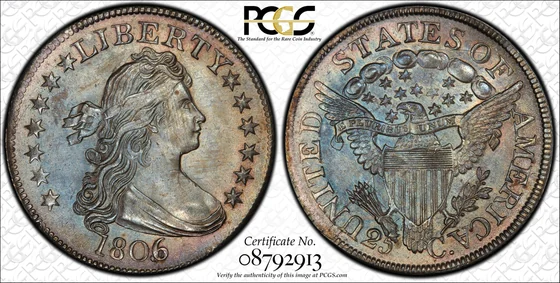
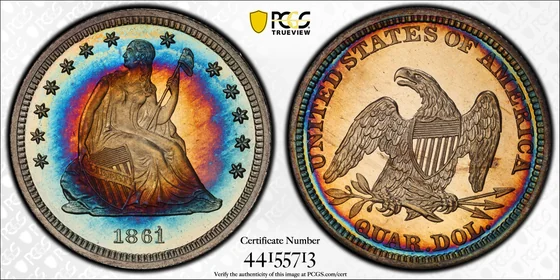
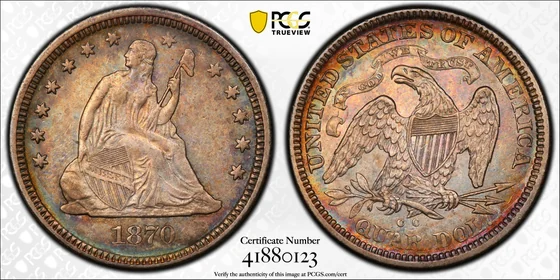
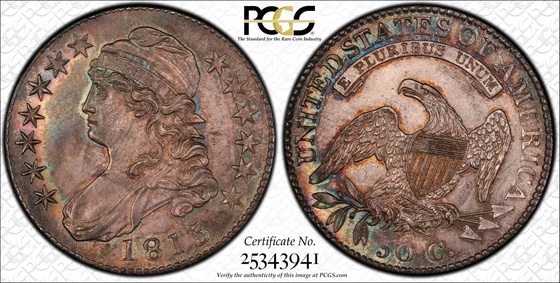
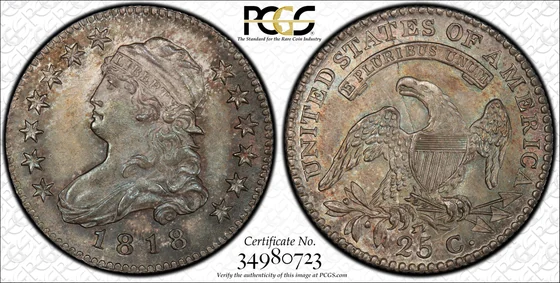
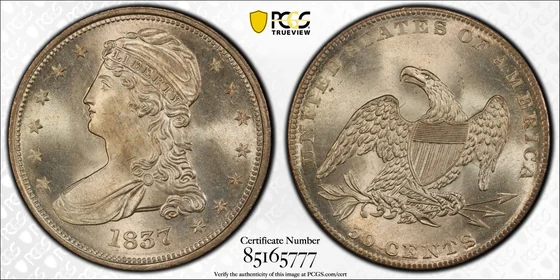
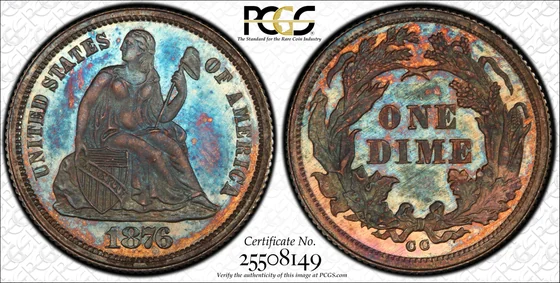
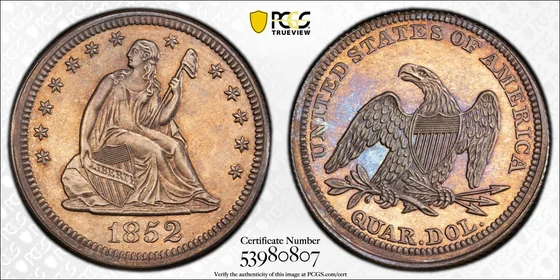
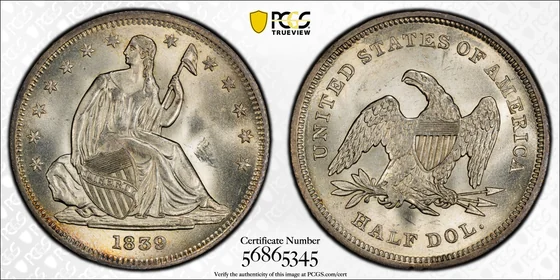
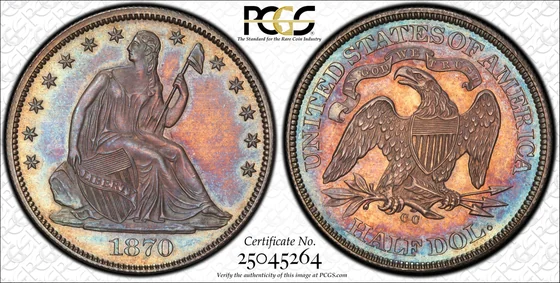
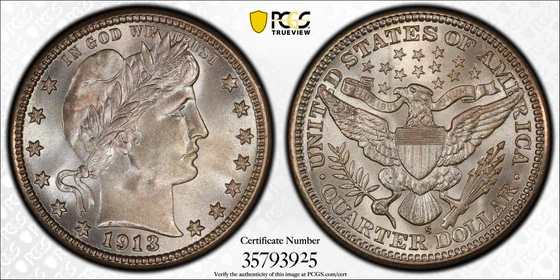
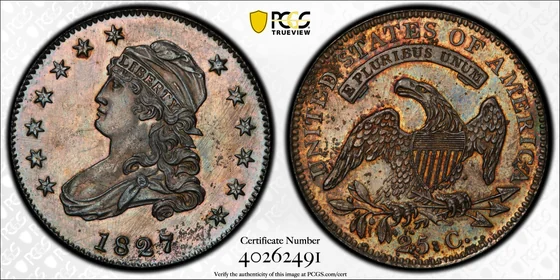
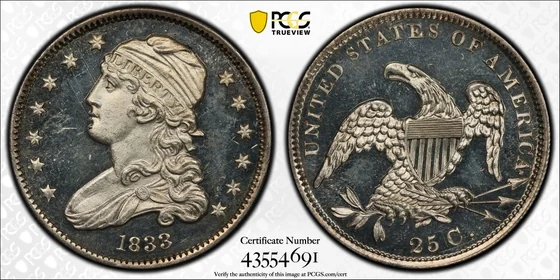
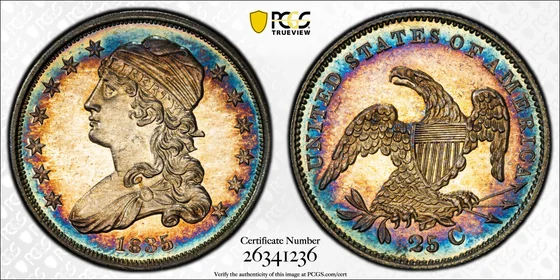
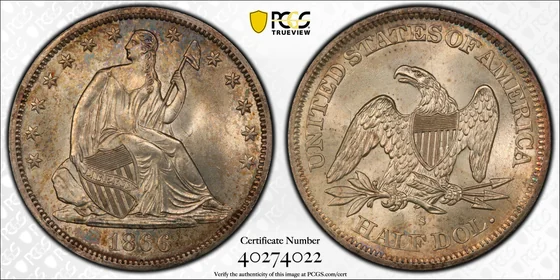
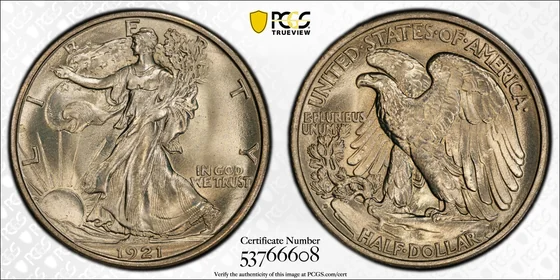
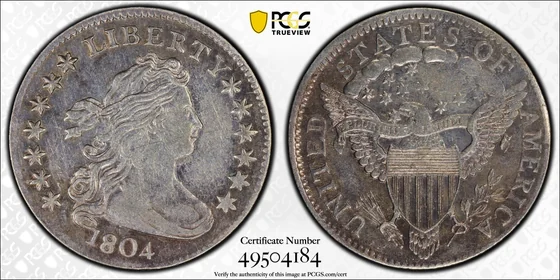
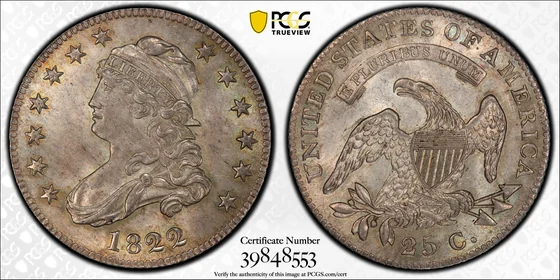
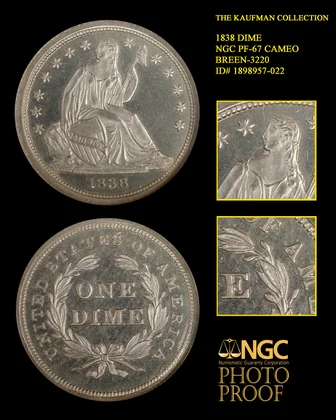
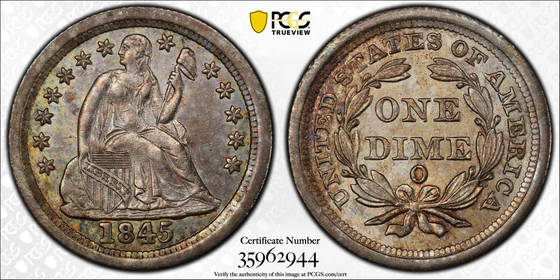
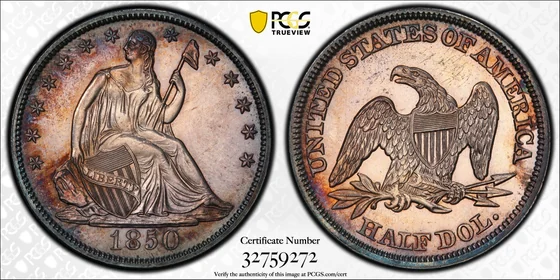
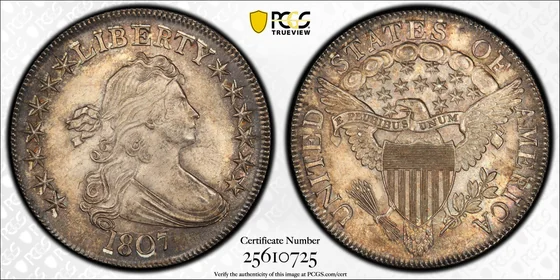
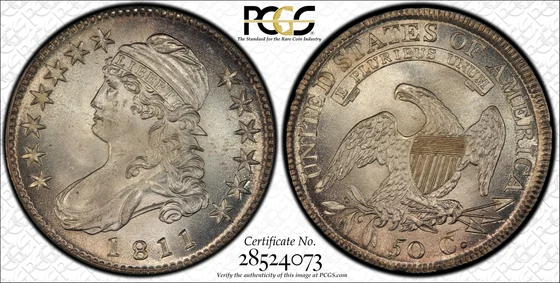
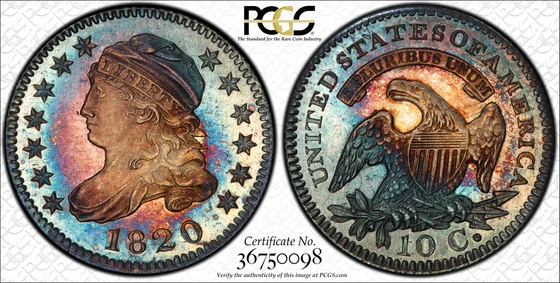
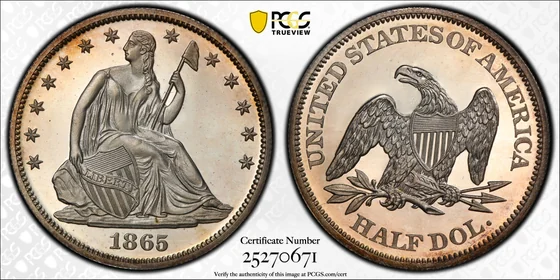
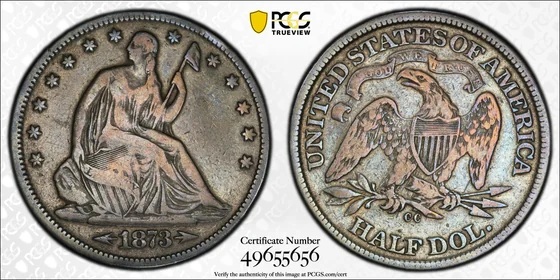
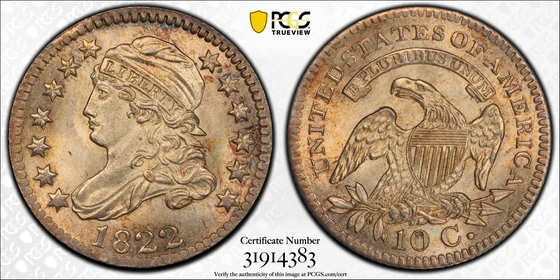
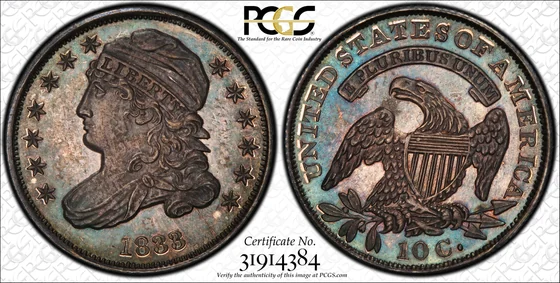
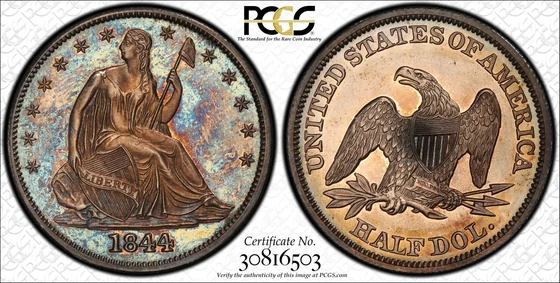
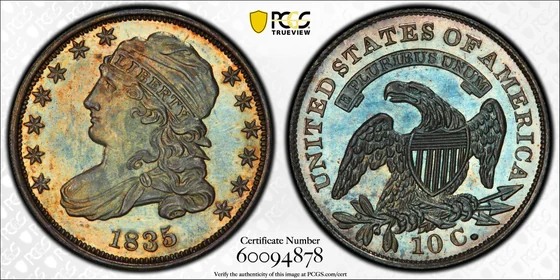
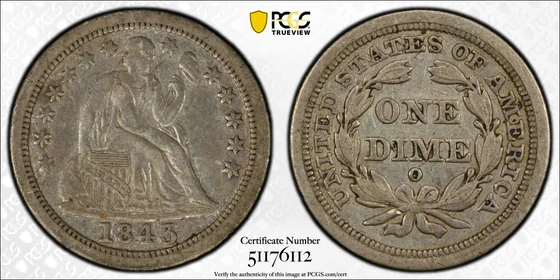
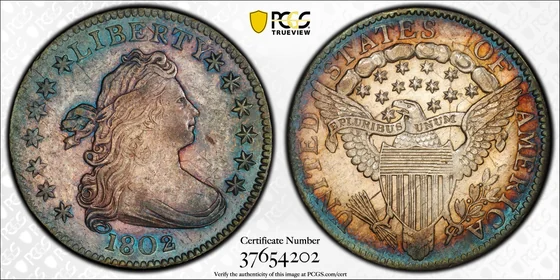
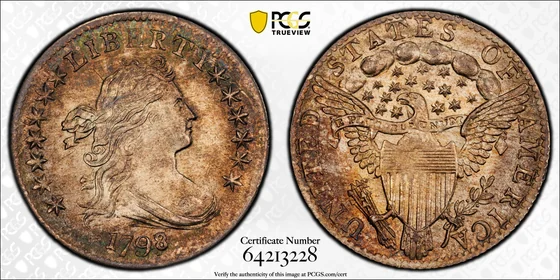
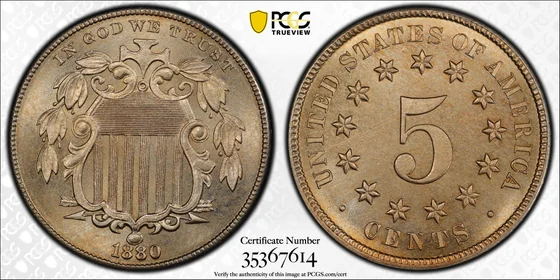
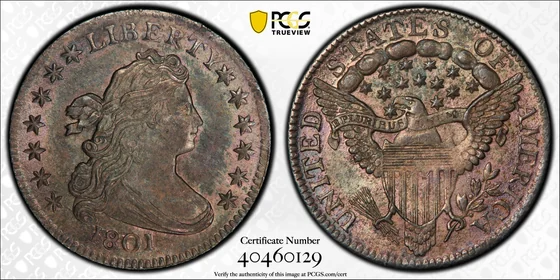
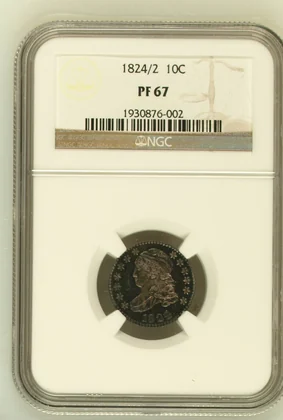
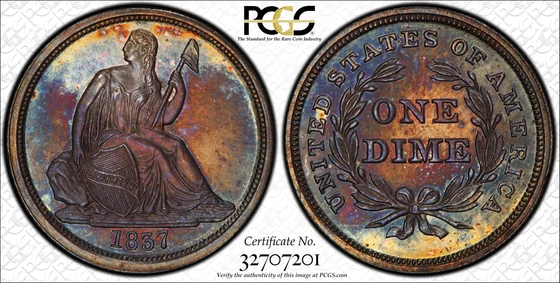
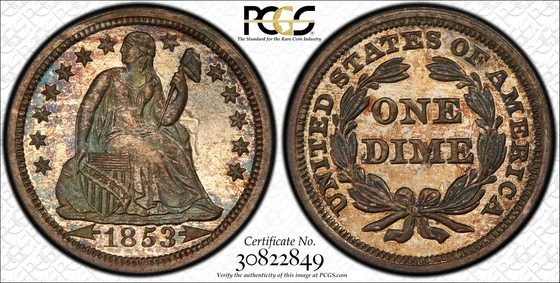
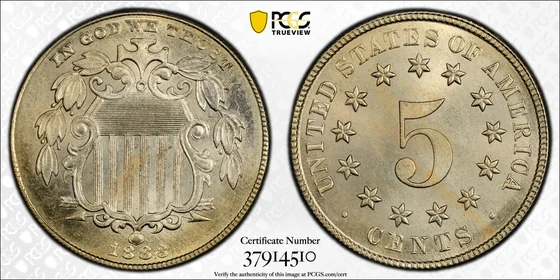
These are specific sold specimens, often exceptional grades or rare varieties. The price is not an estimate for every coin with the same date . A collection checkmark does not authenticate your coin or assign that auction price to it.
Find an auction reference
350 documented coin issues · source dataset checked 2026-09-19
Show more results No auction references match. Try a broader search or explore a guide above.
A price needs context. A dated auction result documents one specimen. Condition, variety attribution, original surfaces, fees and market demand affect what a different coin may sell for. Keep your sources with your collection notes and leave uncertain estimates blank.
Grading cost calculator Public guides and auction references remain readable without JavaScript. Account sign-in and private collection saving require JavaScript.
Your CoinHub account ×
Add a coin ×
Remove this saved coin?
Remove coin Keep it

 United States · 1909–1958