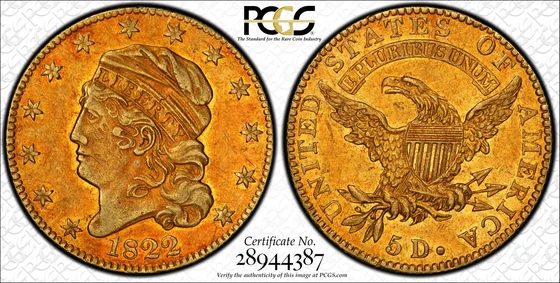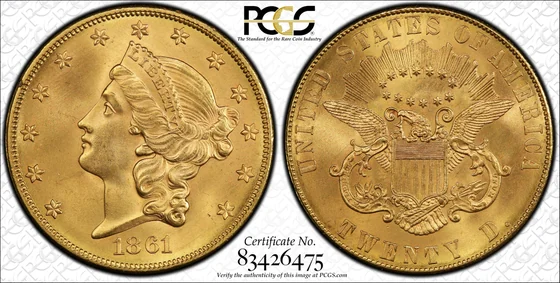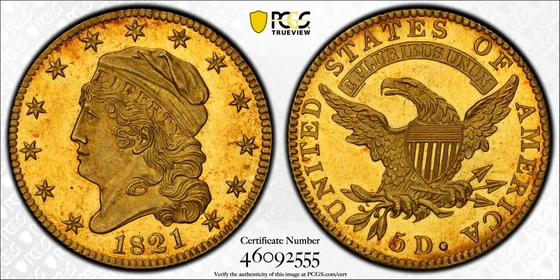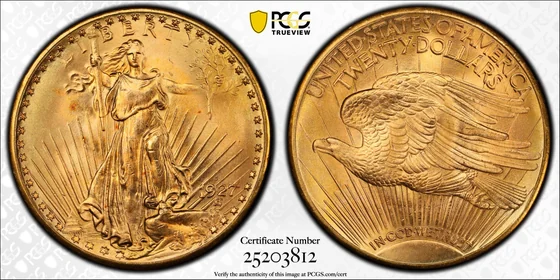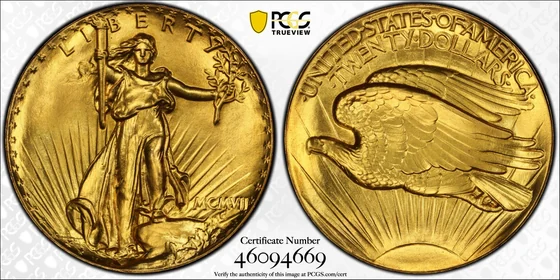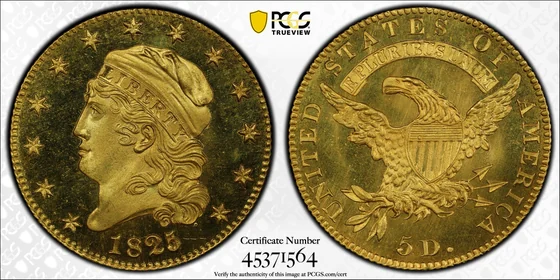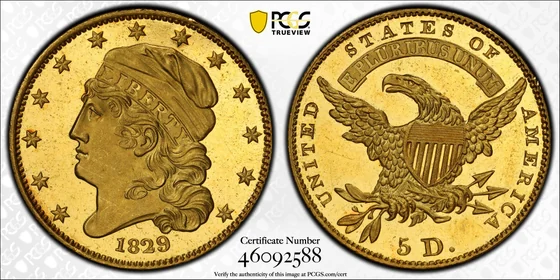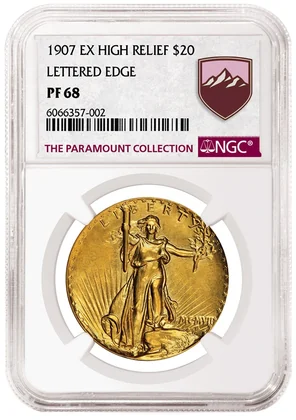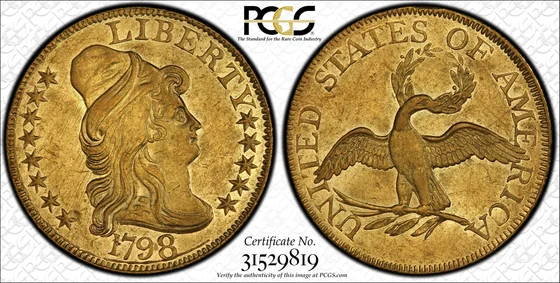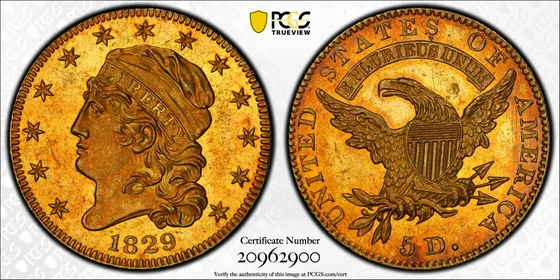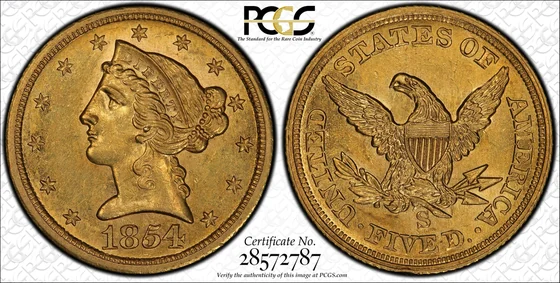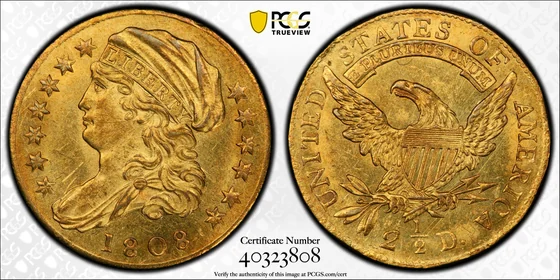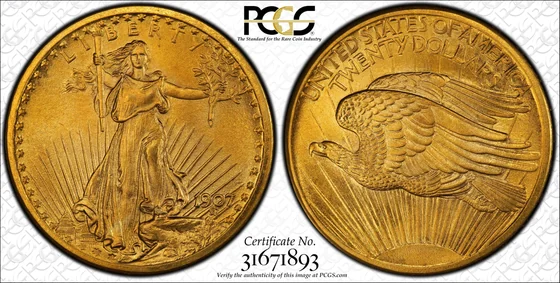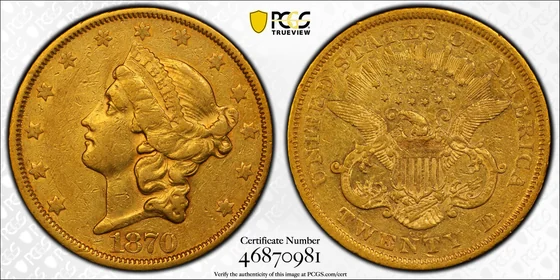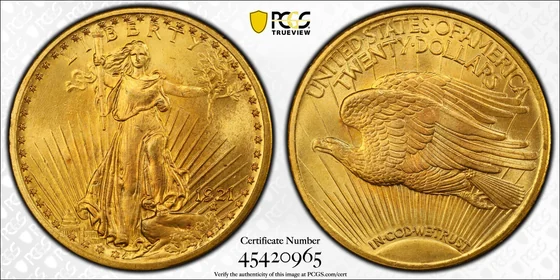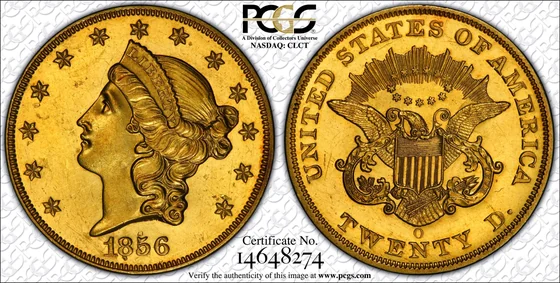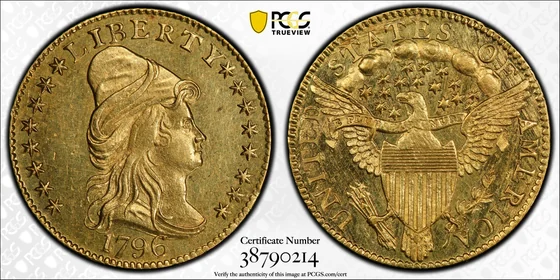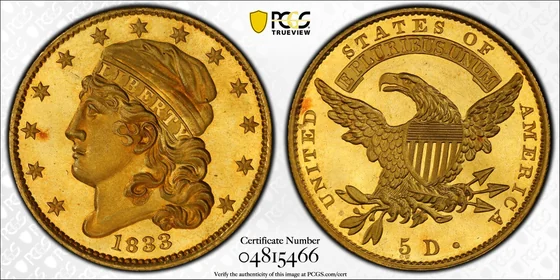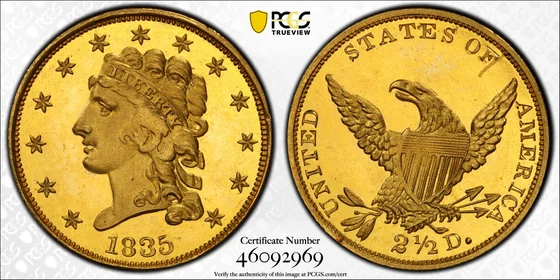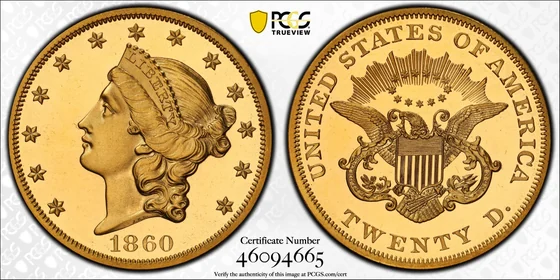
Identify the Denomination and Type
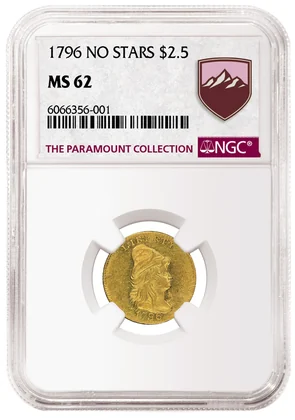
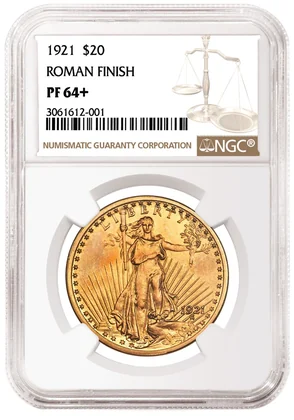
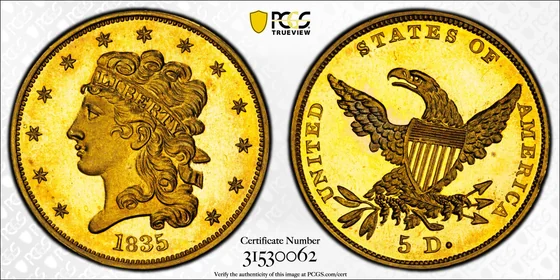
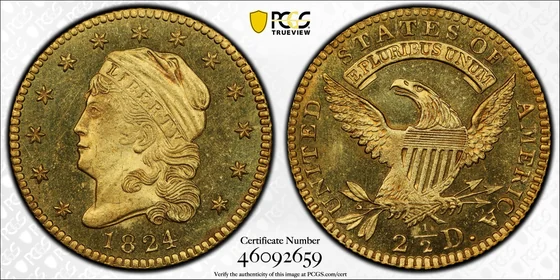
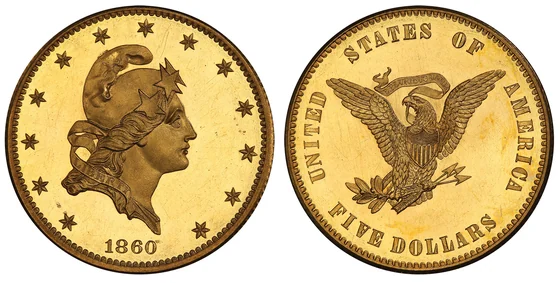
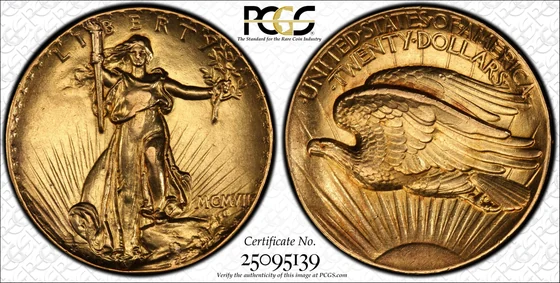
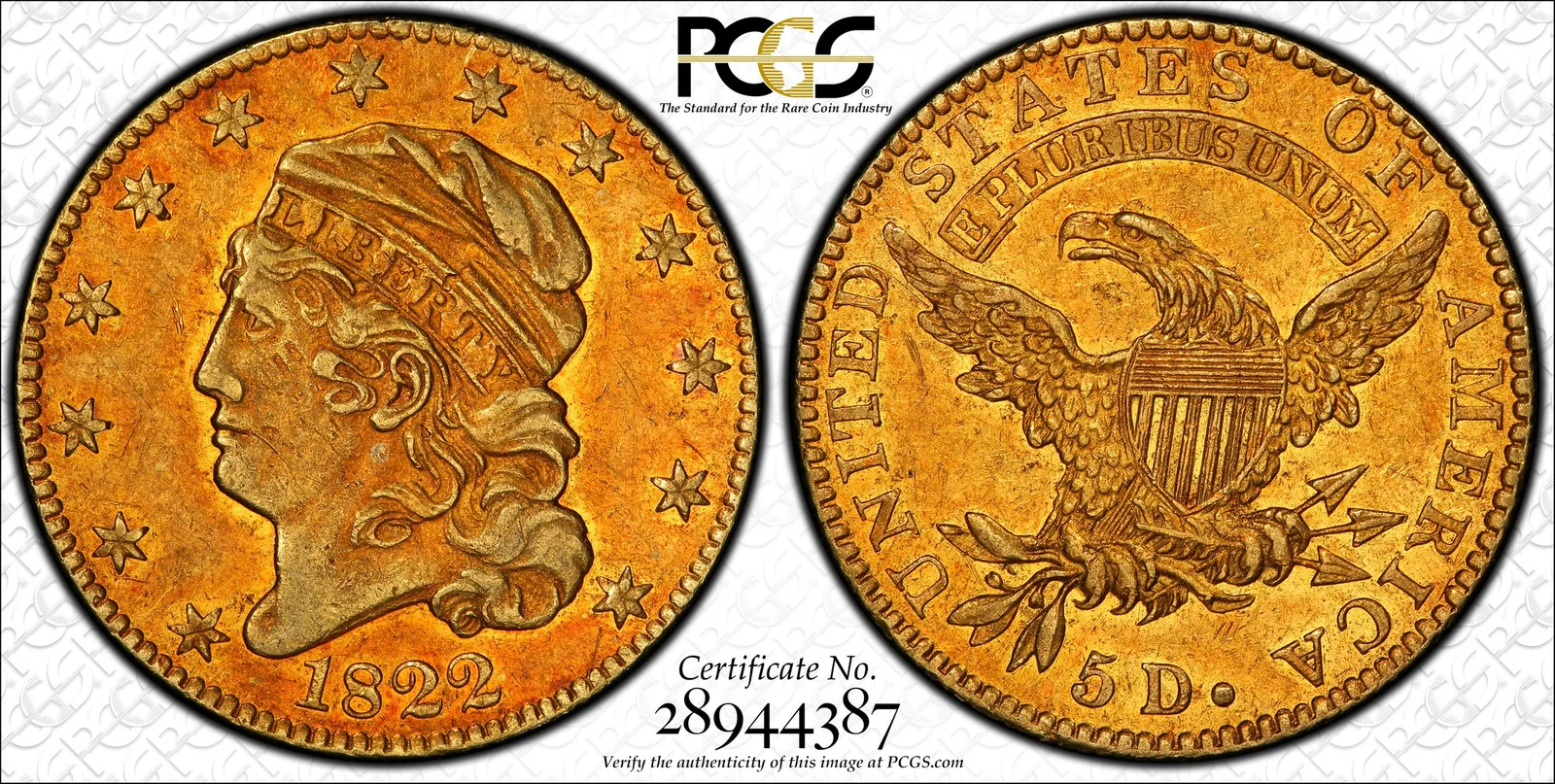
U.S. gold coinage began in 1795. This hub covers pre-1933 dated issues, excluding modern bullion, private replicas and exceptional 1933 legal-status questions. Read both designs and the denomination before choosing a type reference.
Gold dollars, quarter eagles, half eagles, eagles and double eagles differ in denomination and weight. A double eagle is not a full troy ounce of pure gold. Use the exact type's specification before calculating content.
Account for Historic Standards and Mints
Original U.S. gold coins used a fineness of about .9167; the standard changed in 1834 and became .900 in 1837. Do not apply the later 90%-gold formula to every early issue. Multiply the correct gross weight by its gold fraction, then convert units consistently.
Mint letters also need historical context. A D on nineteenth-century Dahlonega gold is not a Denver mintmark; Charlotte used C. No single mintmark rule spans every design. Record the letter, date and its position together before searching for an exact-issue comparison.
Evaluate Authenticity and Sale Economics
Some counterfeit classic gold coins contain real gold and closely match expected weight and fineness. A metal test therefore cannot establish that the Mint struck the coin. Qualified examination should precede a collector-premium claim, especially when provenance is weak or the issue is important.
Look for wear, cleaning, rim repairs and evidence of jewelry mounting. For a common later issue, current gold content may be a major input; for a scarce issue, a collector comparison may dominate. Neither route guarantees proceeds after dealer spreads, auction fees, insurance or certification costs.
Confirm what you have
- Full IdentityRecord denomination, date, design type and mintmark before choosing specifications. Include both sides and the edge in photographs.
- Metal EvidenceRecord measured weight and any qualified non-destructive test separately from authentication. Real gold can still be a counterfeit coin.
- AlterationsPhotograph rim seams, filed areas or mount traces without removing anything. Such changes affect collector comparisons and may require specialist review.
Before you put a price on it
- Calling every double eagle a one-ounce pure-gold coin.
- Using Denver assumptions on Dahlonega mintmarks.
- Treating a successful metal test as full coin authentication.
Collector questions
Are classic U.S. gold coins pure gold?
No. Alloys vary; the standard became 90% gold in 1837. Use the exact type's specification.
Can a counterfeit contain genuine gold?
Yes. Some historic counterfeits match metal and weight closely. Mint origin and collector attribution require evidence beyond the presence of gold.
Can a famous gold auction record value my coin?
Not by itself. The record concerns a particular authenticated specimen, its issue and condition. Compare a matching category and separate sale price from net proceeds.
Sources & further research
- U.S. Mint: First Gold Coinage and Fineness Changes
- U.S. Mint: Historic Mintmarks
- PCGS: Early Half-Eagle Weight and Alloy Changes
- NGC: Real-Gold Counterfeit Half Eagle

Reviewed 2026-10-12. Coin identification, grade and value are separate questions. No guide or checkmark is professional authentication or an appraisal.