Read the Mintmark, Not the Monogram
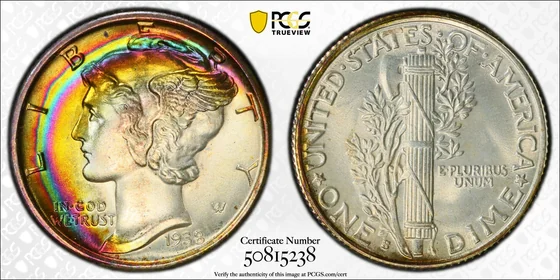
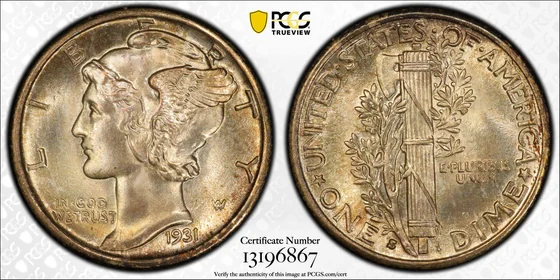
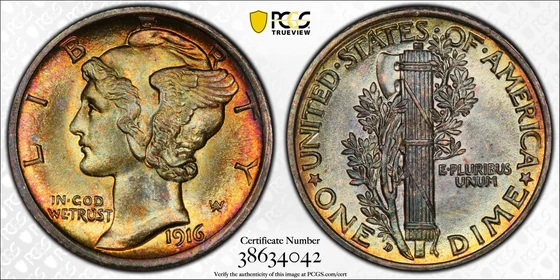
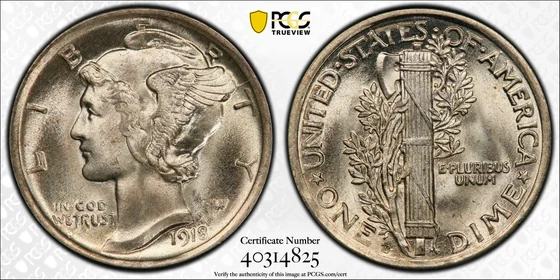
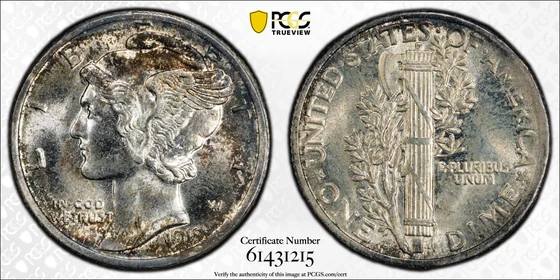
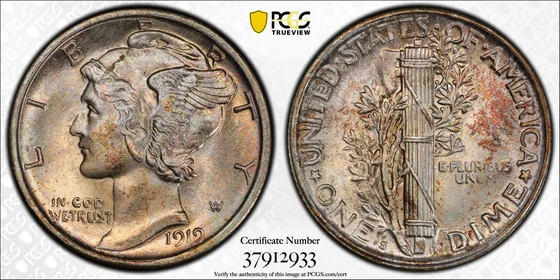
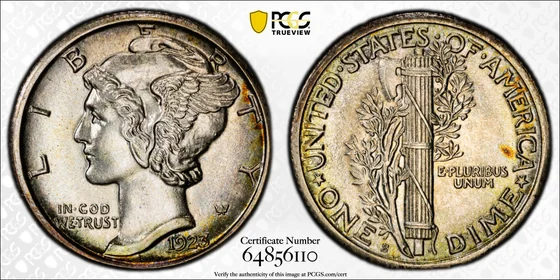
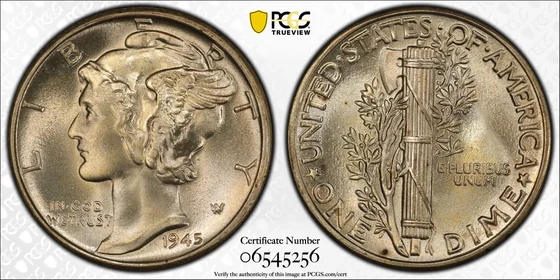
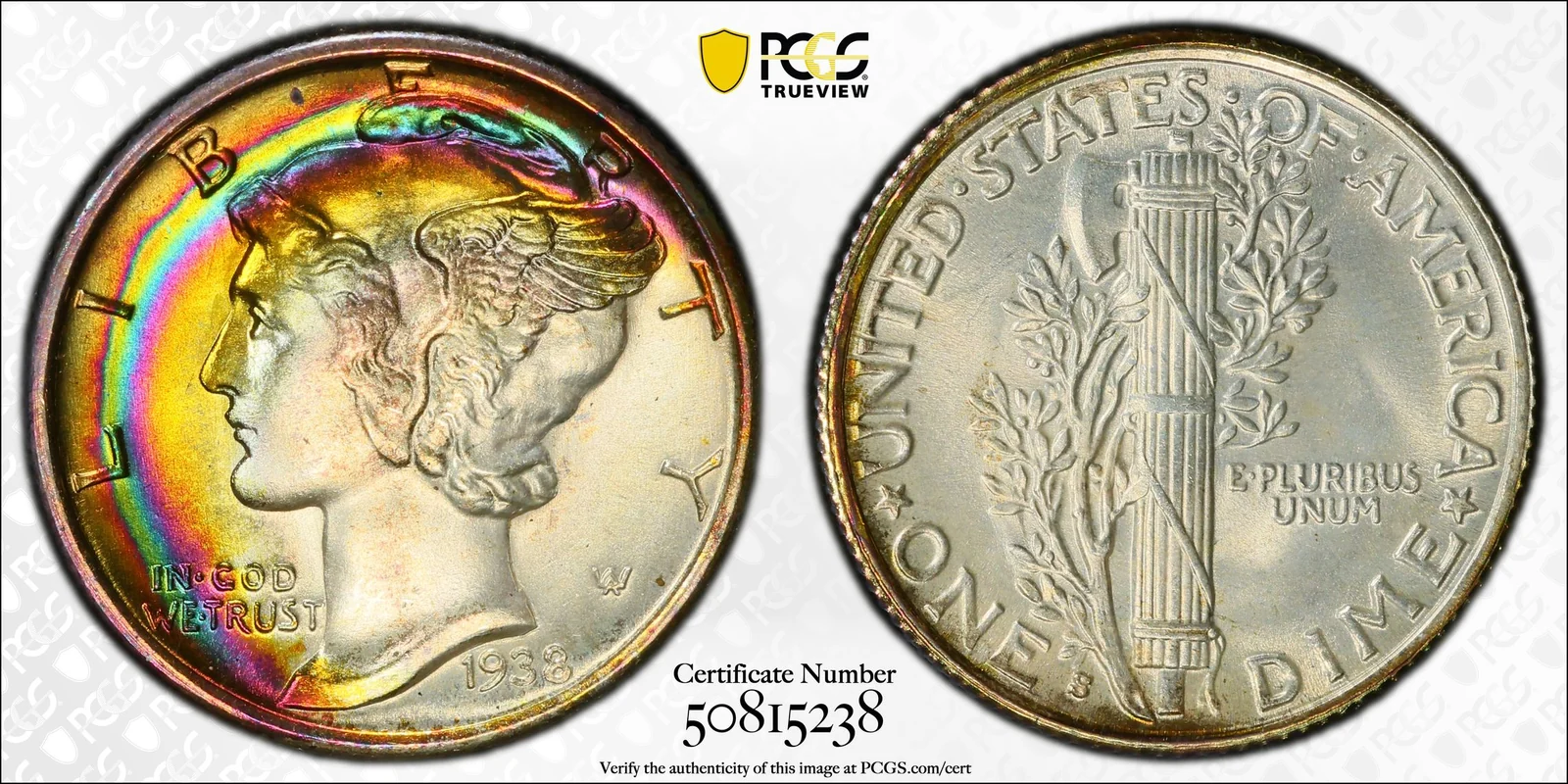
The classic series runs from 1916 through 1945 and uses 90% silver. Look on the lower-left reverse, near the base of the fasces, for D or S. No mintmark is normal for Philadelphia; there is no classic W-mint Mercury dime.
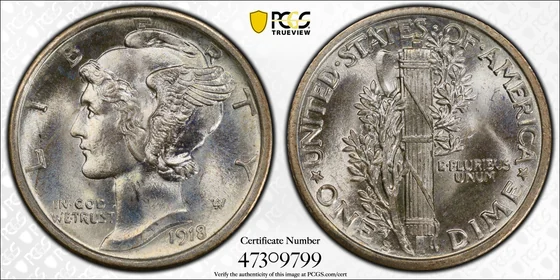
The intertwined AW on the front belongs to designer Adolph A. Weinman. It is not a West Point mintmark. A 1916-D candidate requires authentication because an added D can transform the apparent identity of a much less significant coin.
Keep Band Detail Separate from Wear
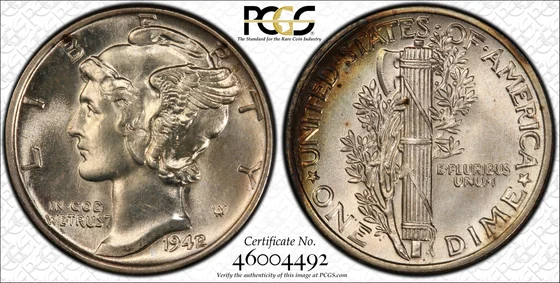
The tied bundle on the reverse is the fasces. Collectors pay attention to separation in its horizontal bands, but incomplete bands can reflect strike weakness rather than circulation. Inspect Liberty's hair and the open fields as well as the bands.
Full Bands or Full Split Bands is a specialist designation, not a promise made by this guide. Compare the actual grading service's requirements and a verified holder description. A photograph showing one clear central line does not establish the whole coin's grade or eligibility.
Choose the Right Valuation Track
For common circulated dates, a dated silver calculation helps explain metal exposure. Collector demand, wear and surface problems still influence an actual transaction. Theoretical silver content should not be confused with guaranteed proceeds after a dealer spread or selling costs.
The 1942/1 and 1942/1-D overdates belong to attributed variety categories, not to every 1942 dime. Compare matching varieties and comparable preservation. A record sale for a certified high-grade example describes that specimen and market moment, not a typical dime found in a jar.
Confirm what you have
- Reverse LetterPhotograph the lower-left reverse with the whole coin in view. Keep the mintmark separate from Weinman's front-side monogram.
- Band DetailUse side lighting to show separation, interruptions and contact marks. Record what is visible rather than inventing a strike designation.
- Overdate CandidateA complete date close-up and matching diagnostic reference are needed. Damage near the final digit is not proof of an overdate.
Before you put a price on it
- Calling the AW monogram a rare W mintmark.
- Valuing all 1942 dimes as overdates.
- Applying an exceptional Full Bands result to a worn coin.
Collector questions
Does every Mercury dime contain silver?
Authentic standard classic issues are 90% silver. Confirm identification and authenticity before using that specification on an unfamiliar piece or replica.
Is weak band detail always wear?
No. A weak strike can leave the bands incomplete even without circulation. The surrounding surfaces and other high points need review too.
Should a possible 1916-D be sold as scrap?
Seek qualified identification first. Its mintmark and authenticity are important enough that a generic silver-only comparison could miss the relevant collector category.
Sources & further research
- U.S. Mint: Dime Design and Composition History
- PCGS: Mercury Dime Facts
- PCGS: Weinman Monogram and Mercury Mintmarks
- PCGS: Mercury Dime Identification Guide

Reviewed 2026-10-12. Coin identification, grade and value are separate questions. No guide or checkmark is professional authentication or an appraisal.