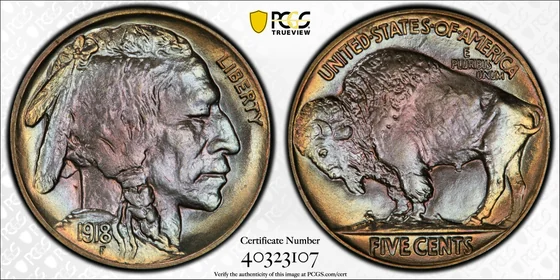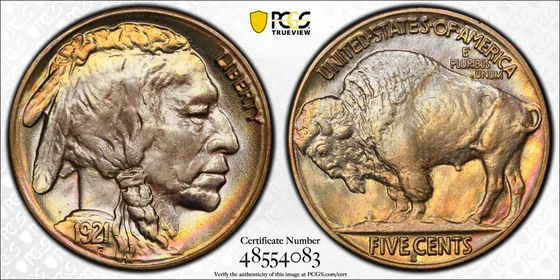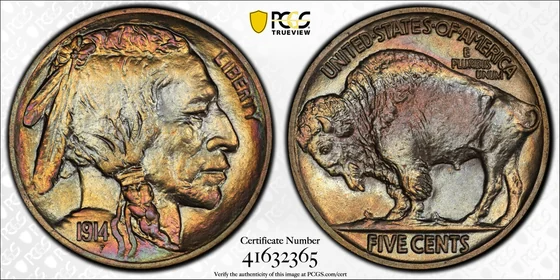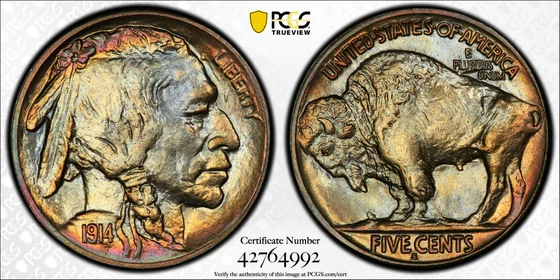
Recover the Identity Without Altering It
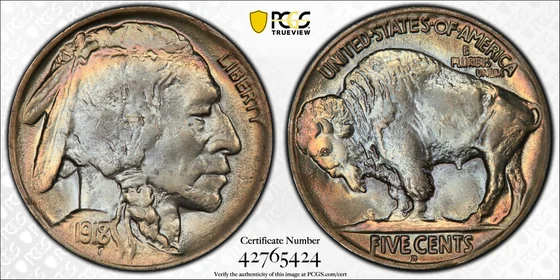
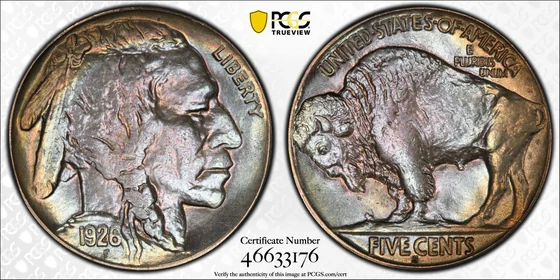
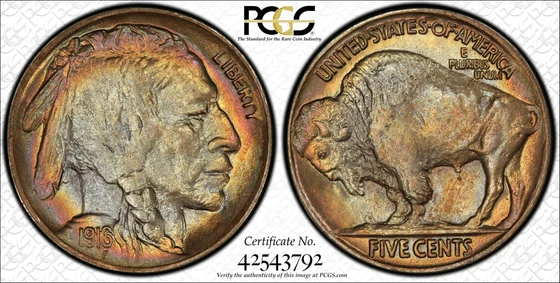
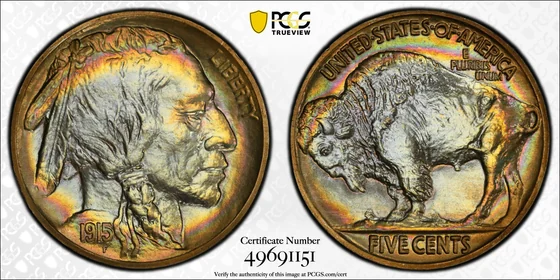
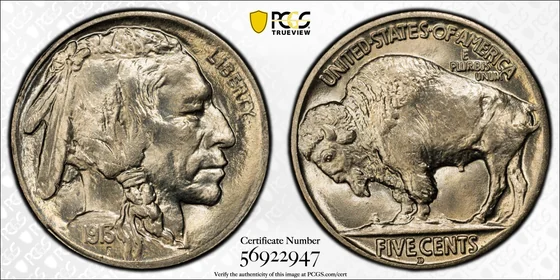
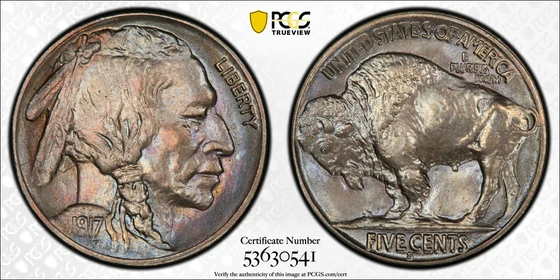
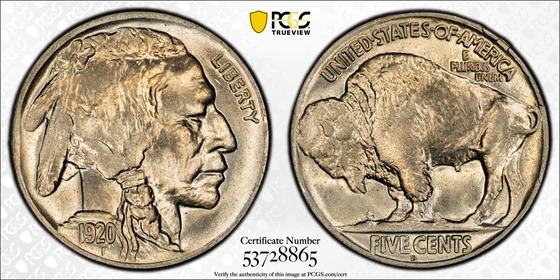
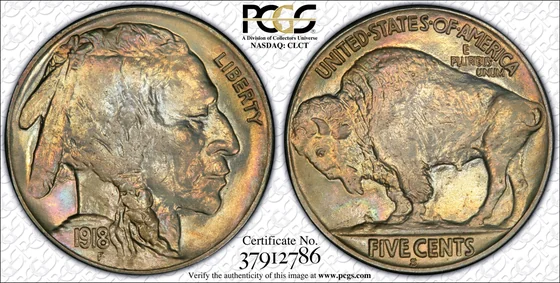
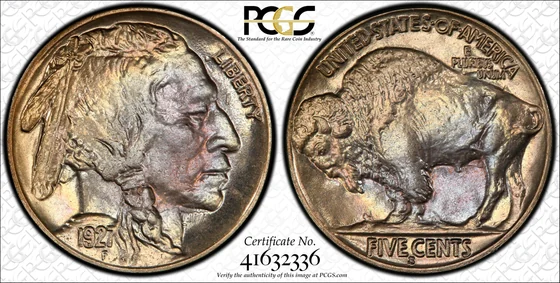
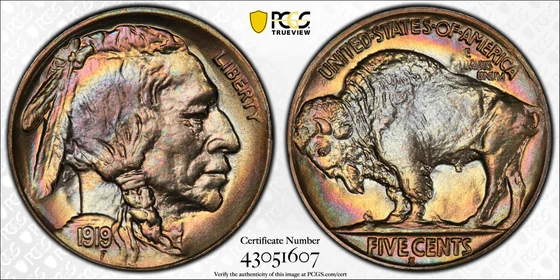
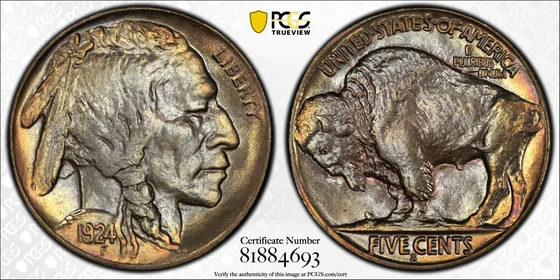
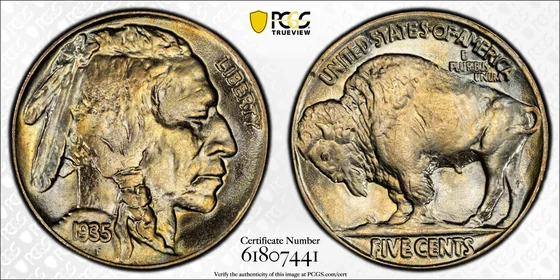
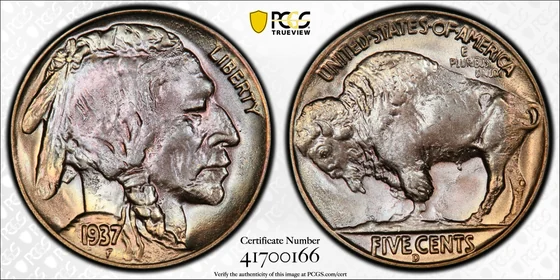
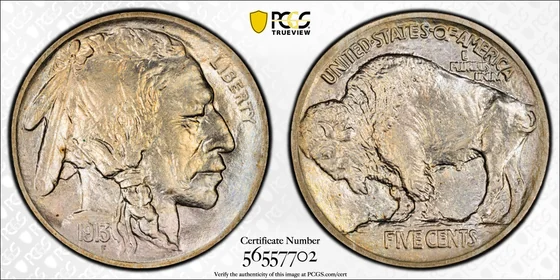
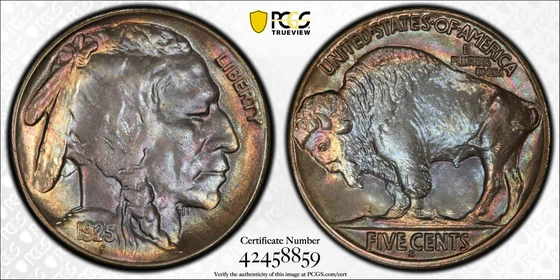
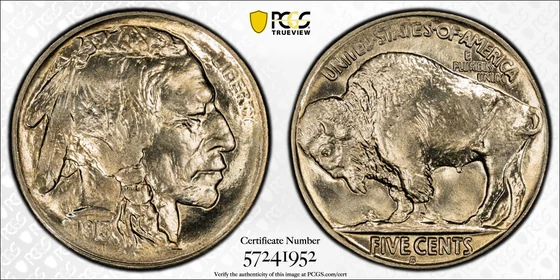
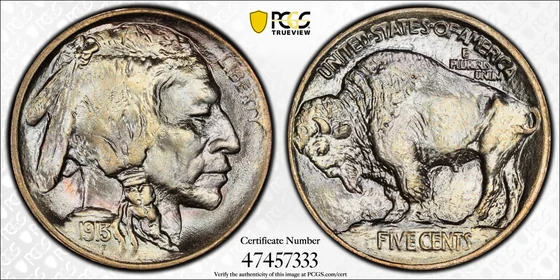
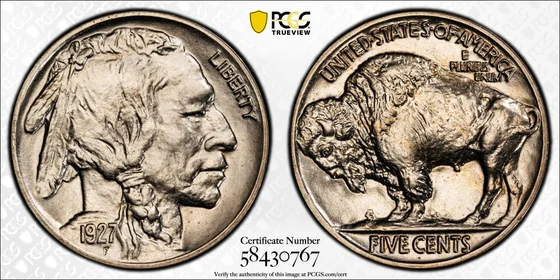
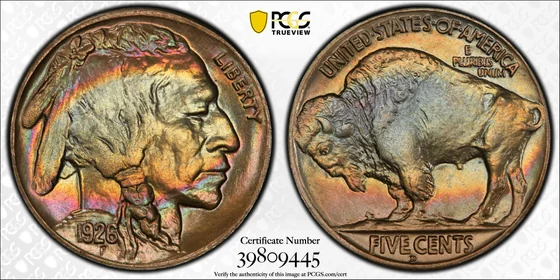
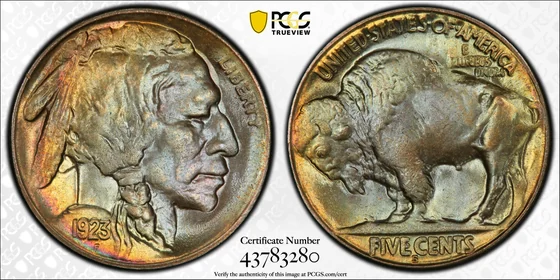
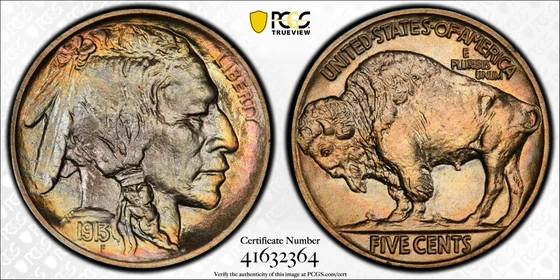
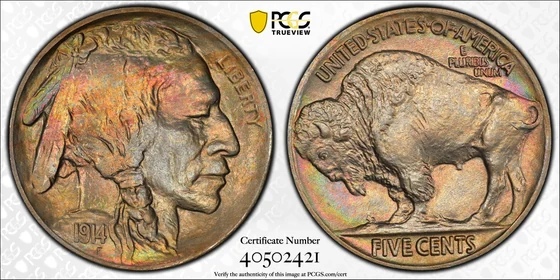
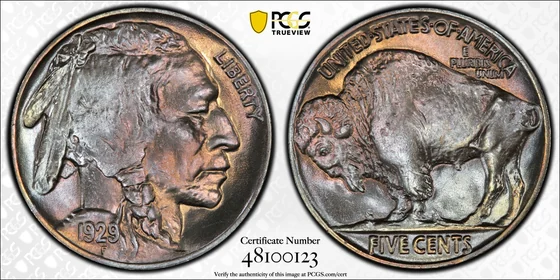
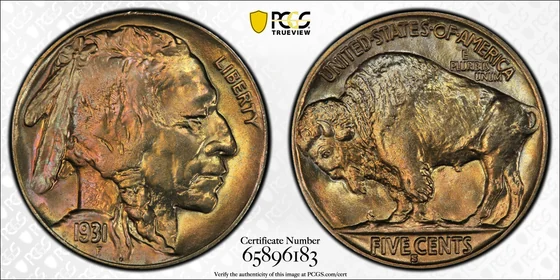
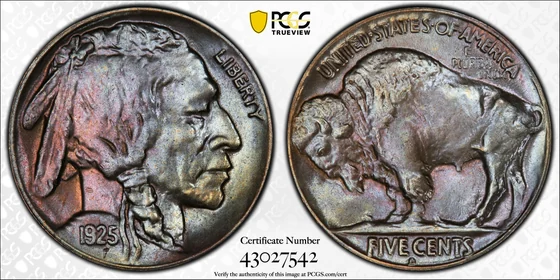
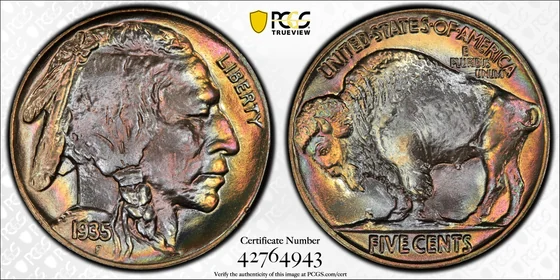
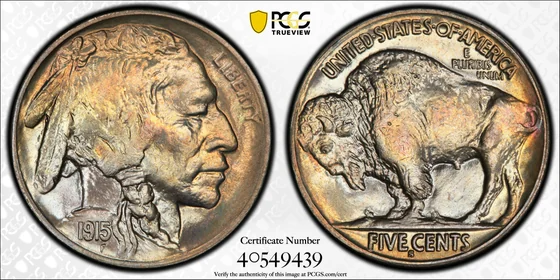
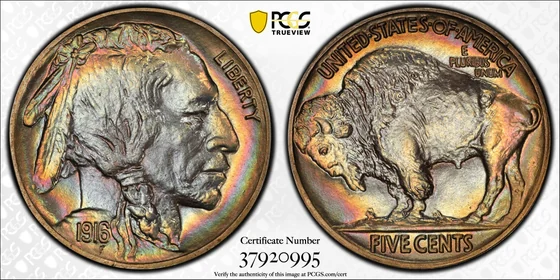
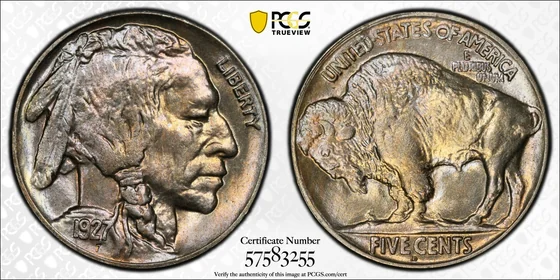
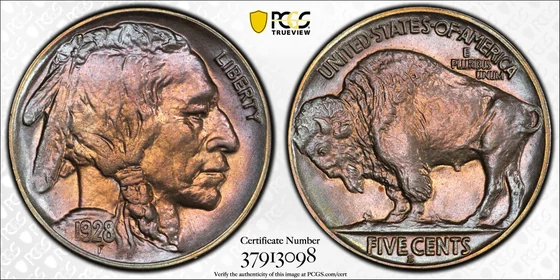
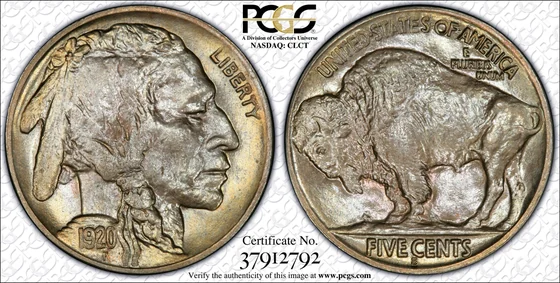
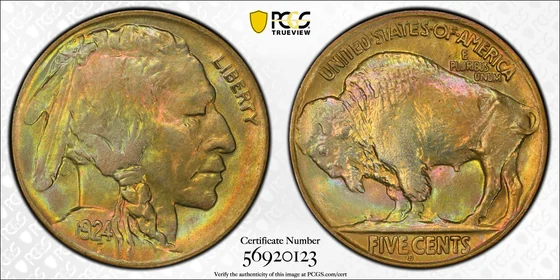
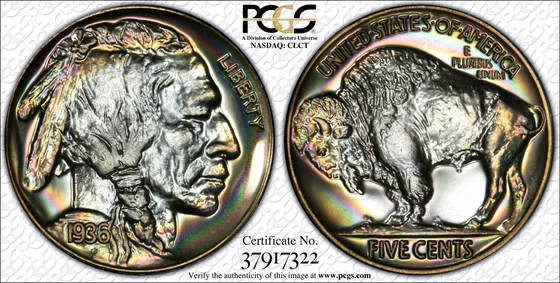
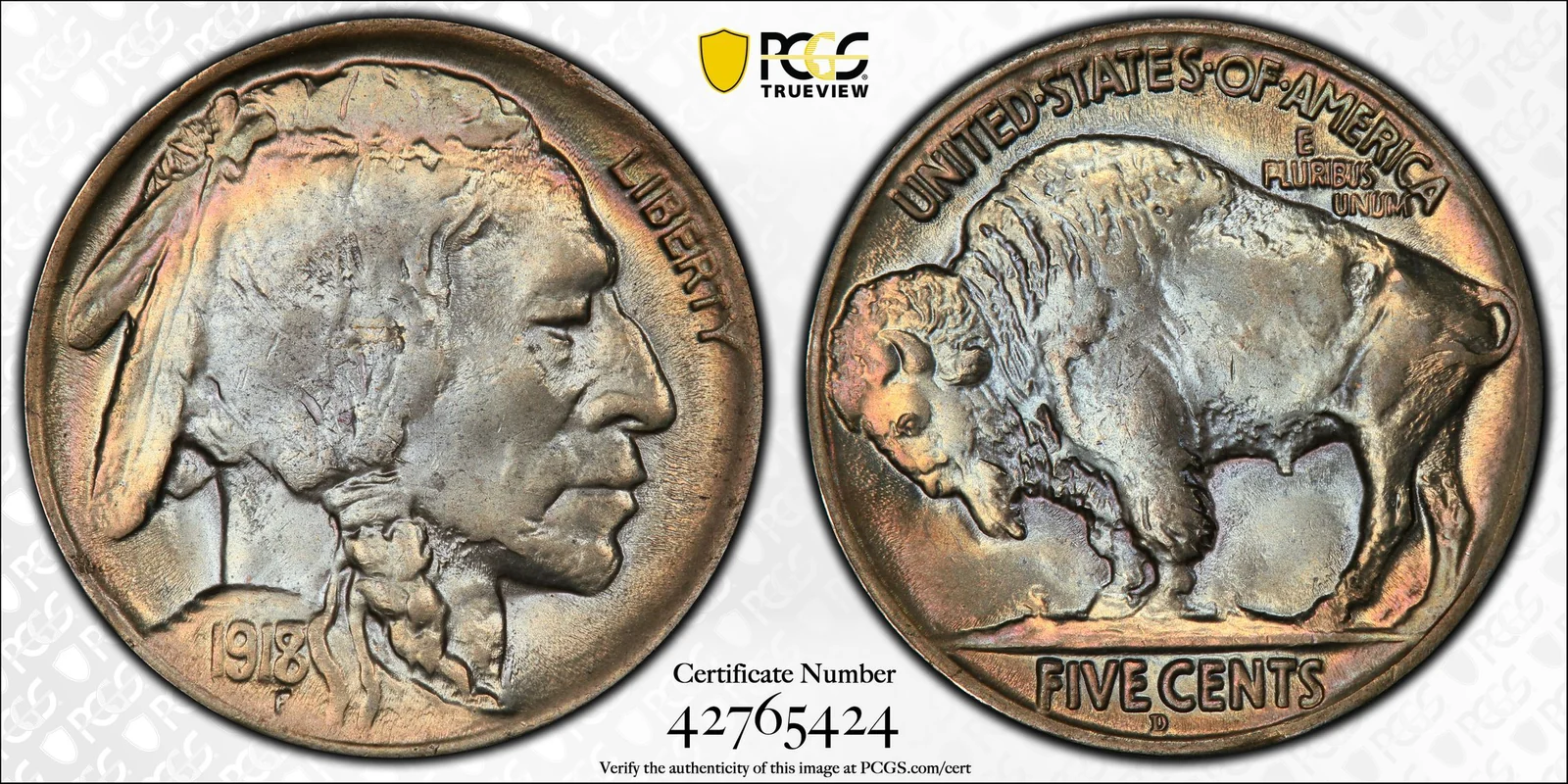
Look at the date on the shoulder of the portrait and the mintmark below FIVE CENTS on the reverse. The F beneath the date is the designer's initial, not a mintmark. A missing date prevents a confident date-specific comparison.
Do not apply chemicals to reveal a date. An altered surface is different evidence from an untouched readable coin. If side lighting cannot establish the digits, describe the coin as dateless rather than guessing the most desirable year from a partial shape.
Separate Type, Strike and Wear
In 1913, the original reverse placed the bison on a raised mound. The revised reverse lowered the denomination into a protected area. These are different types, so a first-year comparison must identify which reverse is present.
Buffalo nickels use a copper-nickel alloy, not silver. Weak detail on the bison or portrait can come from the original strike as well as wear. A shiny field does not settle the issue, and smoothness alone cannot establish an uncirculated grade.
Keep Famous Varieties in Their Lane
The 1937-D three-legged variety is a recognized issue, but scratches or deliberate removal of a leg can imitate the headline feature. Use the full set of published diagnostics and professional attribution. A vague resemblance should remain an unanswered question in your inventory.
For ordinary examples, compare readable date-and-mint combinations with similar wear and surface quality. For a certified variety, use sales carrying that exact attribution. A record for an outstanding specimen is not a reference point for a dateless roll or a damaged look-alike.
Confirm what you have
- Date and FRecord only digits you can actually read. Keep the designer's F separate from the reverse D or S mintmark.
- 1913 ReversePhotograph the ground beneath the bison and the denomination together. That relationship identifies the mound versus revised reverse.
- Variety CandidateInclude the entire bison, mintmark and surrounding field. One missing-looking leg is not adequate evidence for an attribution.
Before you put a price on it
- Guessing a key date on an unreadable shoulder.
- Treating the F as an uncommon mintmark.
- Comparing a chemically altered date with an untouched example.
Collector questions
Are Buffalo nickels silver?
No. The standard alloy is 75% copper and 25% nickel. Their collector value comes from the issue and preservation, not a silver calculation.
Is a 1913 nickel automatically rare?
No. Mint and reverse type must be identified, and the coin's condition still matters. The first year includes more than one collecting category.
Can a dateless coin still be kept?
Yes, as a type example or keepsake. Its missing date limits reliable identification and makes date-specific rarity claims inappropriate.
Sources & further research
- PCGS: Buffalo Nickel Identification and Varieties
- NGC: Buffalo Nickel Reverse Types and Mintmarks
- NGC: Counterfeit Detection for a 1913 Buffalo Nickel

Reviewed 2026-10-12. Coin identification, grade and value are separate questions. No guide or checkmark is professional authentication or an appraisal.