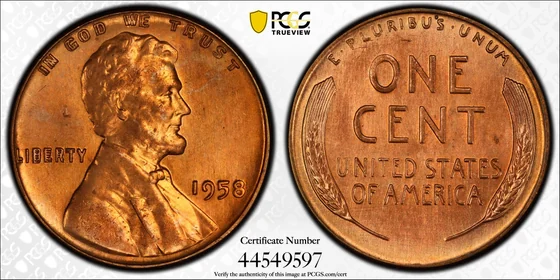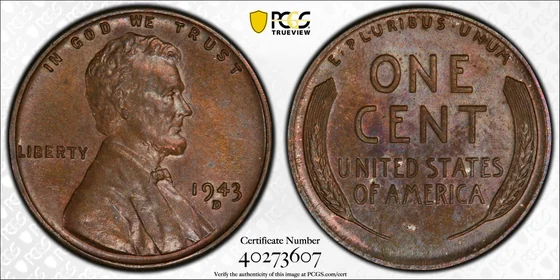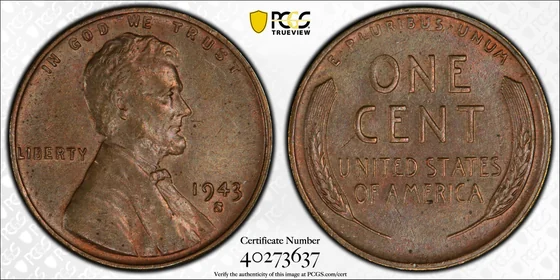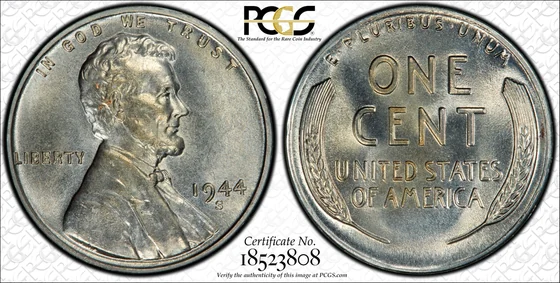
Build the Full Identification
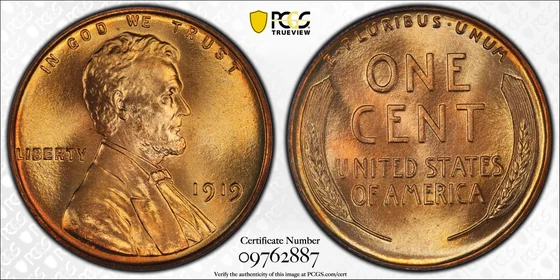
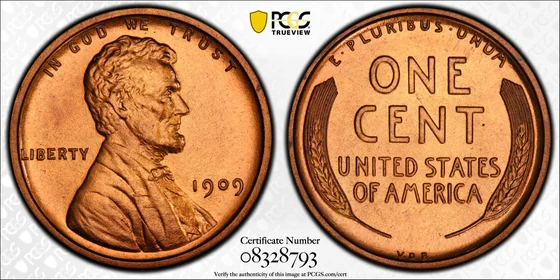
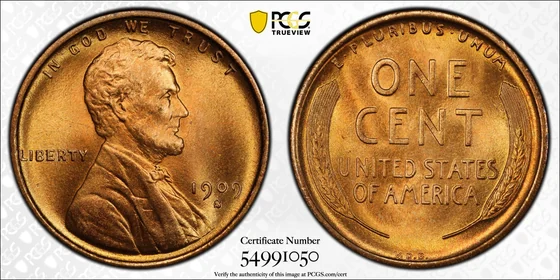
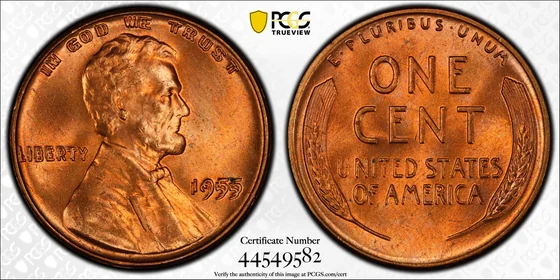
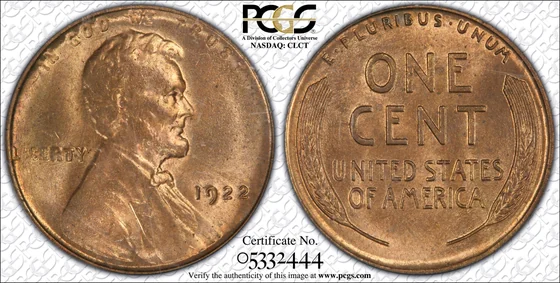
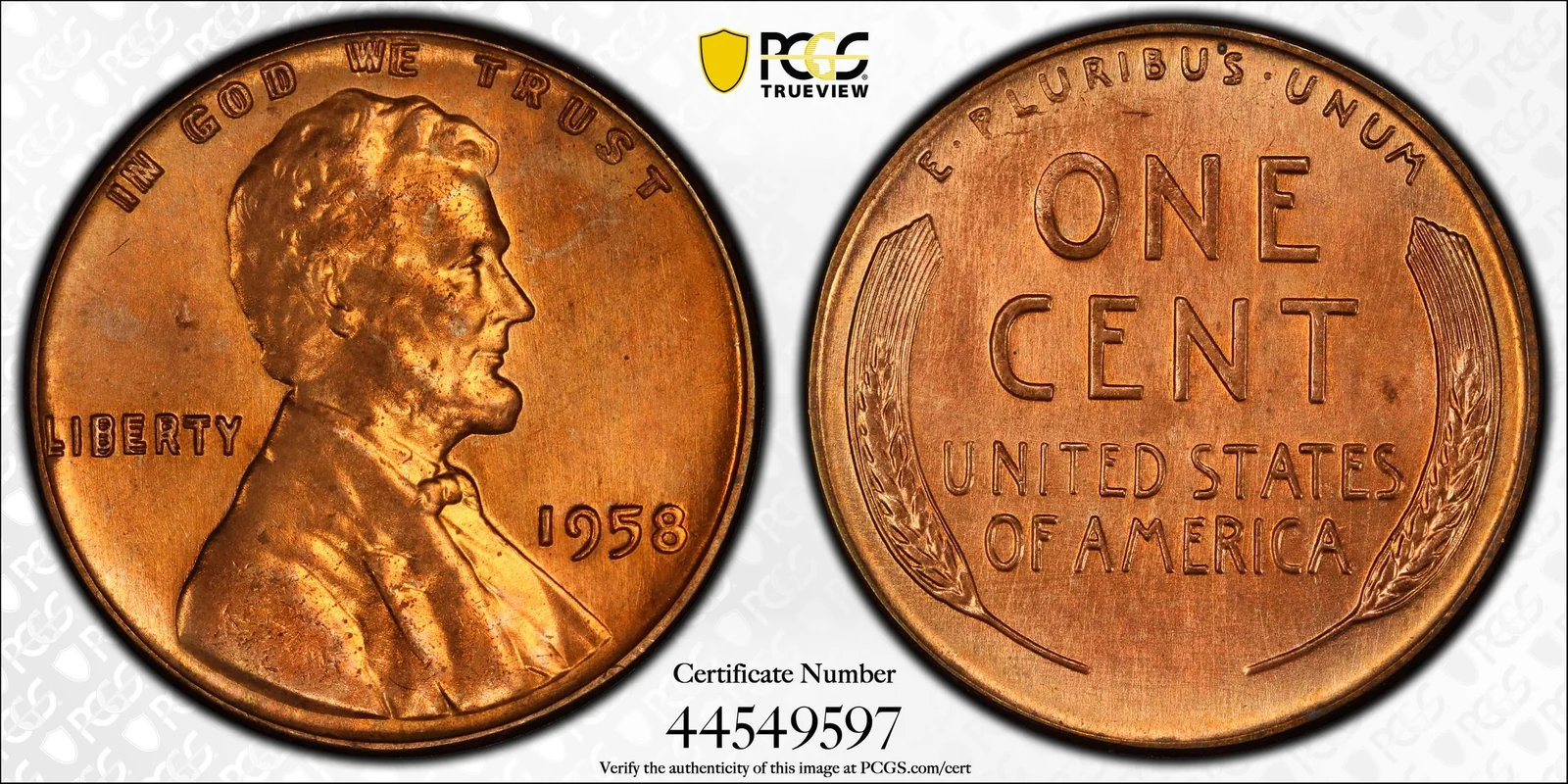
Record all four date digits and inspect the area beneath the date for a D or S. No mintmark is normal on Philadelphia wheat cents. For early 1909 examples, also examine the bottom of the reverse for VDB initials; that detail changes the identification, not just the description.
The 1909-S VDB and 1914-D illustrate why the mintmark cannot be skipped. Added letters and altered dates exist, so an apparently important combination is a reason to seek authentication, not permission to assign a high value from a photograph.
Separate Steel from Copper-Alloy Cents
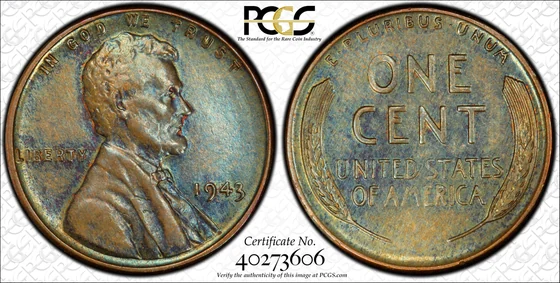
Normal 1943 production used zinc-coated steel for wartime conservation. Copper-alloy 1943 pieces are exceptional errors, while copper plating or a changed date can imitate their appearance. A magnet is a preliminary material check; it cannot authenticate a supposed off-metal rarity.
For copper-alloy examples, note brown, mixed or red-looking surfaces without awarding a professional color designation. Brightness may reflect cleaning. Corrosion, scratches and worn lettering remain important even when the coin has a desirable date.
Choose a Focused Research Branch
Start with the Mint timeline, then choose a focused reference: VDB placement, the 1943 metal question or a date-specific issue. The existing CoinHub guides below handle those deeper branches. Keep ordinary duplicates separate from candidates needing closer examination.
An auction record belongs to a particular authenticated specimen, its grade and its sale date. It is not the value of every wheat cent from that year. Before paying grading fees, weigh the likely benefit against the uncertainty and the full submission cost.
Confirm what you have
- Both SidesPhotograph the entire front and back, plus the date, mintmark and any VDB initials. Keep the original color visible.
- Steel CheckRecord magnet response on a 1943 candidate without scratching it. Copper-colored plating over steel can still attract a magnet.
- Surface CheckLook for flattened hair detail, rim wear, corrosion and parallel hairlines. These observations help comparisons but do not establish a numeric grade.
Before you put a price on it
- Pricing all wheat cents alike because their reverse designs match.
- Treating a copper-colored 1943 cent as authenticated bronze.
- Polishing an inherited penny before asking for an evaluation.
Collector questions
Is every 1943 penny valuable?
No. The normal steel issue is distinct from rare copper-alloy errors. Date, mintmark, preservation and authenticity still matter.
Does no mintmark mean an error?
Not on an ordinary Philadelphia wheat cent. The absence of a mintmark is expected, so it is not a premium by itself.
Should I sell the whole jar together?
Identify readable dates and possible better coins first. Ask how a bulk offer treats ordinary pieces and whether selected coins deserve separate review.
Sources & further research
- U.S. Mint: Penny Design History
- PCGS: Lincoln Cent Collecting Facts
- NGC: Altered Dates, Added Mintmarks and Counterfeits

Reviewed 2026-10-12. Coin identification, grade and value are separate questions. No guide or checkmark is professional authentication or an appraisal.