
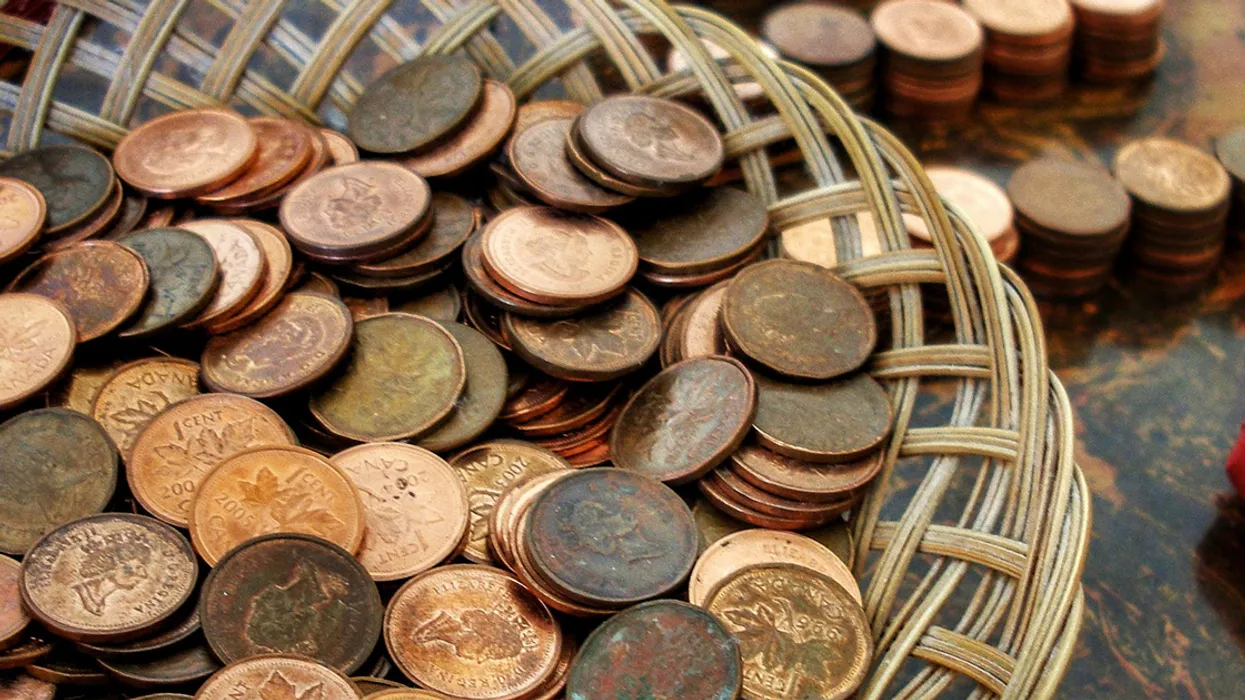
Identify Size and Normal Design Changes
Canadian one-cent coinage began in 1858. The diameter decreased during 1920, so that transition year needs a large-cent versus small-cent identification. Do not compare the two merely because the date matches. Record the monarch's portrait and reverse together with the size.
The familiar maple twig arrived in 1937. A dove replaced it for the 1967 Centennial issue, and pennies were twelve-sided from 1982 through 1996 before returning to a round shape in 1997. Those are intentional design changes, not evidence of mint errors.
Sort Alloy and Plated Issues
Earlier small cents use copper-rich alloys, with changing weights and proportions. In 1997, the standard became copper-plated zinc. From 2000, the Mint could use either copper-plated steel or copper-plated zinc. Neither the date nor copper color alone resolves every later composition.
Record weight and magnet response without scratching or chemically testing the coin. A steel-core response is useful screening evidence, not a rarity determination. Raised blisters, exposed core metal and corrosion on plated pennies require diagnosis rather than an automatic mint-error label.
Value the Specific Canadian Issue
Production of circulation pennies ended in May 2012. That retirement is history, not a guarantee of collector demand for every saved roll. Keep circulation strikes separate from specimen and proof products, and retain original packaging when it helps identify the finish.
Compare older coins by date, size, attributed variety and similar surfaces, separating corrosion from wear. Preserve brown copper rather than polishing it. Use the linked photography and evidence guides before seeking an assessment. Keep CAD evidence separate from USD comparisons.
Confirm what you have
- Size and ShapeRecord diameter, round or twelve-sided outline and the full date. A 1920 coin needs its size category established before comparisons.
- Composition EvidenceRepeat the weight measurement and note magnet response. Compare the relevant official specification, allowing for wear and damaged plating.
- Surfaces and FinishPhotograph both sides with natural color and retain set documents. Shiny cleaning and a genuine collector finish are not the same condition.
Before you put a price on it
- Treating every last-year penny as a valuable rarity.
- Calling the 1967 dove or twelve-sided shape a mint error.
- Applying a single alloy assumption to all post-2000 cents.
Collector questions
Are Canadian pennies silver?
Standard circulation pennies are copper-alloy or plated base-metal coins, not silver. A later silver collector tribute is a separate product with its own specifications.
Why can two 1920 pennies differ in size?
The change to the smaller cent occurred that year. Identify the size and design type before comparing condition or sale evidence.
Does a magnet identify a valuable variety?
No. It can provide a clue about a core metal, but value and variety attribution require the exact issue and additional evidence.
Sources & further research
- Royal Canadian Mint: Penny Designs, Specifications and Retirement
- Royal Canadian Mint: One-Cent Coinage Dates and Modern Tribute Distinction
- U.S. Mint: Coin Handling, Cleaning and Storage Principles

Reviewed 2026-10-12. Coin identification, grade and value are separate questions. No guide or checkmark is professional authentication or an appraisal.
